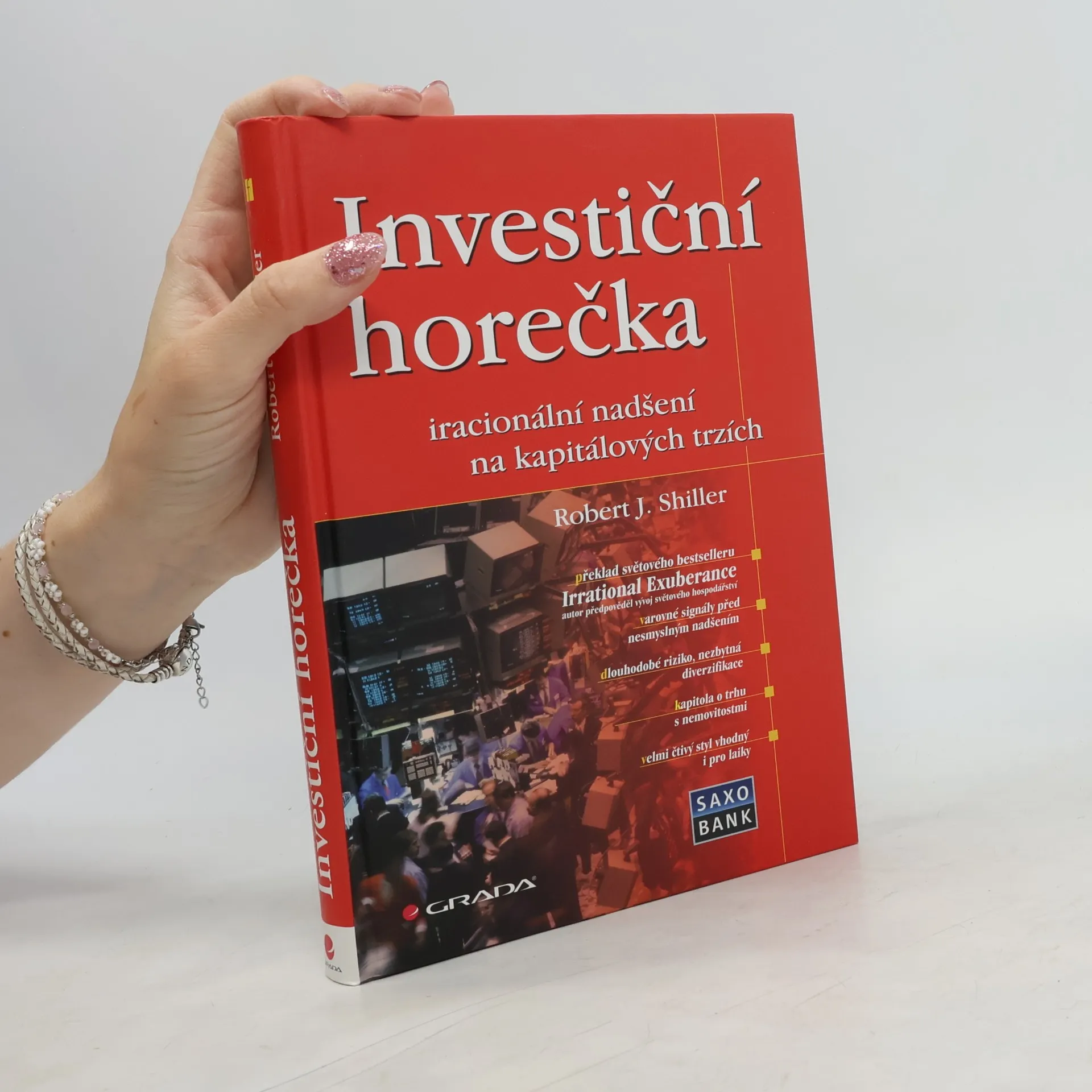
Kniha (v originálu Irrational Exuberance) je vyústěním celoživotní práce profesora ekonomie z Yale Roberta Shillera v oblasti nazývané behavioral finance a je i vlajkovou lodí jeho publikací. V této knize prof. R. Shiller předpověděl vývoj světového hospodářství – recesi, uvádí kombinaci faktorů, které vyhnaly cenu akcií tak vysoko. Varuje investory před nesmyslným nadšením, nabádá je, aby uvažovali o diverzifikaci. Upozorňuje, že vnímané dlouhodobé riziko je velice nízké, emoce a zvýšený zájem o akciový trh vytváří touhu „dostat se do hry“. Varuje před nerozumnou rozjařeností v USA i na ostatních trzích. Kapitolu věnuje i vrtkavosti trhu s nemovitostmi. Kniha je napsána velmi čtivým stylem, je určena pro širokou veřejnost. Tento světový bestseller by si měl přečíst každý, kdo vsadil svou budoucnost na úspěch trhu.
Robert J. Shiller Knihy
Robert Shiller je americký ekonom a autor, který se zaměřuje na behaviorální ekonomii a její dopad na finanční trhy. Jeho práce zkoumá psychologické faktory, které ovlivňují ekonomická rozhodnutí, a způsoby, jakými tyto faktory vedou k tržním bublinám a krizím. Shillerovy analýzy zdůrazňují význam sociálních narativů a iracionálního chování při formování ekonomické reality. Jeho cílem je poukázat na inherentní nestabilitu finančních systémů a navrhnout způsoby, jak dosáhnout větší stability.



Ekonomické dění neurčují jen racionální lidské motivy, měřitelné proměnné či matematicky vyjádřitelné vztahy, v ekonomice působí též mocné psychologické síly, které duchovní otec této teorie, John Maynard Keynes, nazval animal spirits - živočišné pudy. Tyto pudy srozumitelně objasňují, jak působí takové jevy jako hospodářské krize, nezaměstnanost, míra úspor, výkyvy cen akcií či nemovitostí a chudoba menšin. Oba autoři patří do první stovky nejvýznamnějších světových ekonomů současnosti, George Akerlof je nositelem Nobelovy ceny za ekonomii (2000, s J. Stiglitzem a M. Spencem), Robert Shiller je profesorem ekonomie na Yaleově univerzitě a autorem několika bestsellerů (např. Irrational Exuberance, česky Investiční horečka, 2010, a The Subprime Solution). Podle autorů jsou živočišné pudy jednou z hlavních příčin současné krize, k jejímuž řešení je nutná aktivnější úloha státu.
Jak se loví hlupáci
- 264 stránek
- 10 hodin čtení
Ve své provokativní a v mnoha směrech radikální, jasně, srozumitelně a čtivě napsané publikaci, plné přesvědčivých a výstižných příkladů ze života, její autoři, nositelé Nobelovy ceny za ekonomii, zpochybňují klasickou tezi moderní ekonomie, tradovanou již od dob Adama Smithe, že neviditelná ruka trhu vždy přináší materiální blahobyt. Autoři na mnoha příkladech dokládají, že trh může být jak prospěšný, tak může člověku škodit, protože není imunní vůči využívání triků a pastí, jež z lidí dělají „dojné krávy“. Soustřeďují se na moderní způsoby podvodného jednání a psychologického nátlaku.
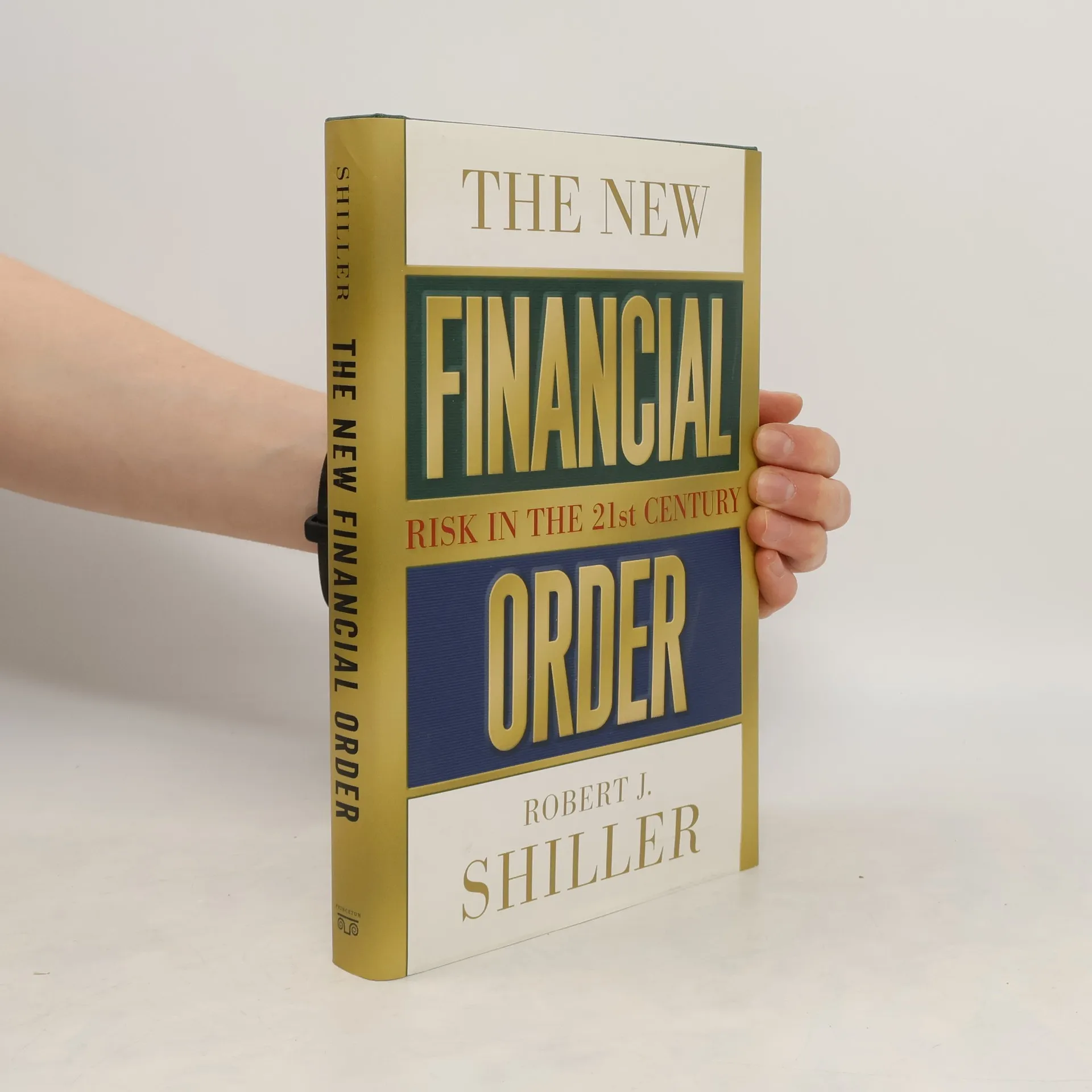
The New Financial Order
- 384 stránek
- 14 hodin čtení
Examines the impact of a rapidly evolving global economy on the twenty-first century financial world and presents six fundamental principles for using information technology and advanced financial theory to hedge risk.
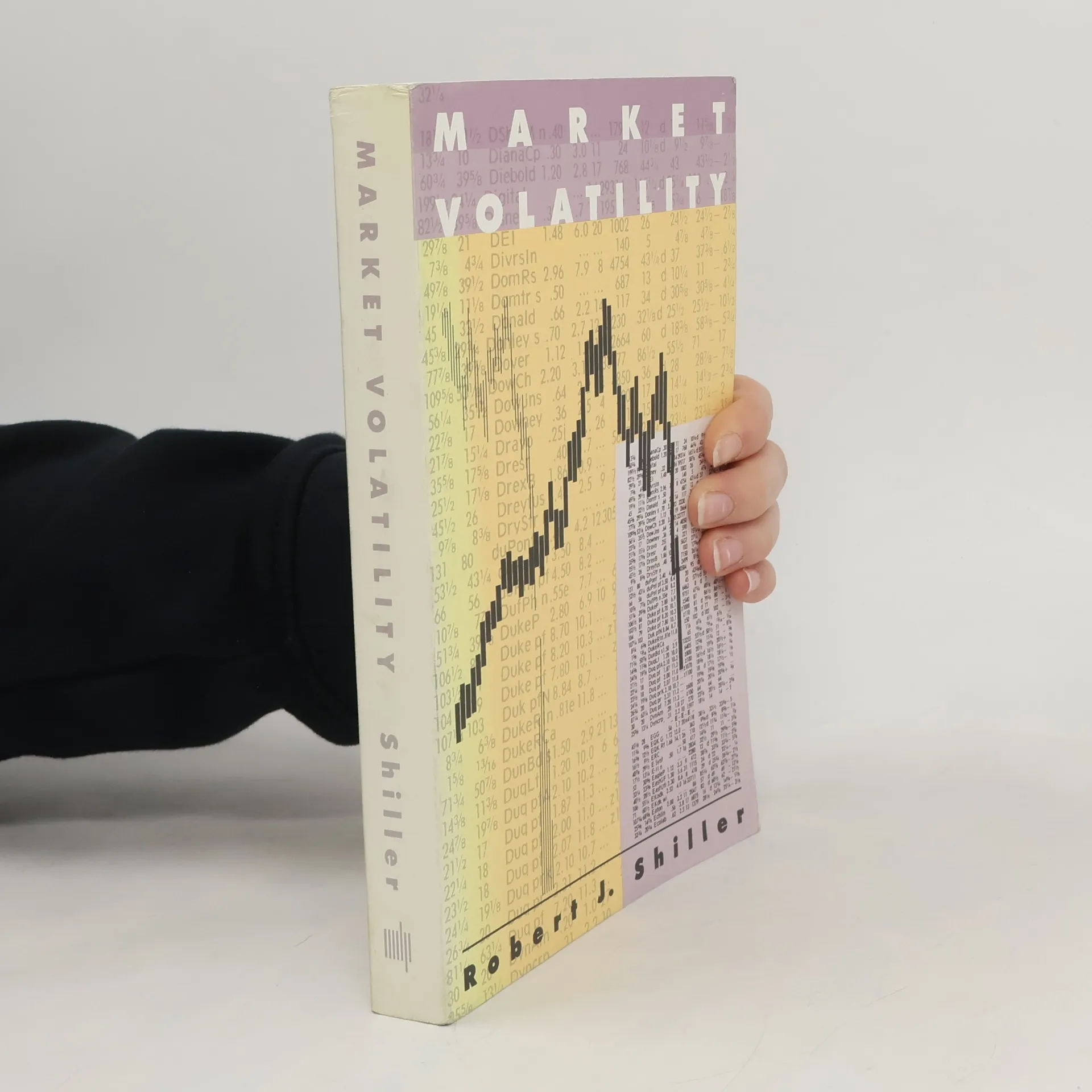
Market volatility
- 478 stránek
- 17 hodin čtení
Finance and the Good Society
- 288 stránek
- 11 hodin čtení
The reputation of the financial industry could hardly be worse than it is today in the painful aftermath of the 2008 financial crisis. In this book, the author argues that, rather than condemning finance, we need to reclaim it for the common good. It shows how society can once again harness the power of finance for the greater good.
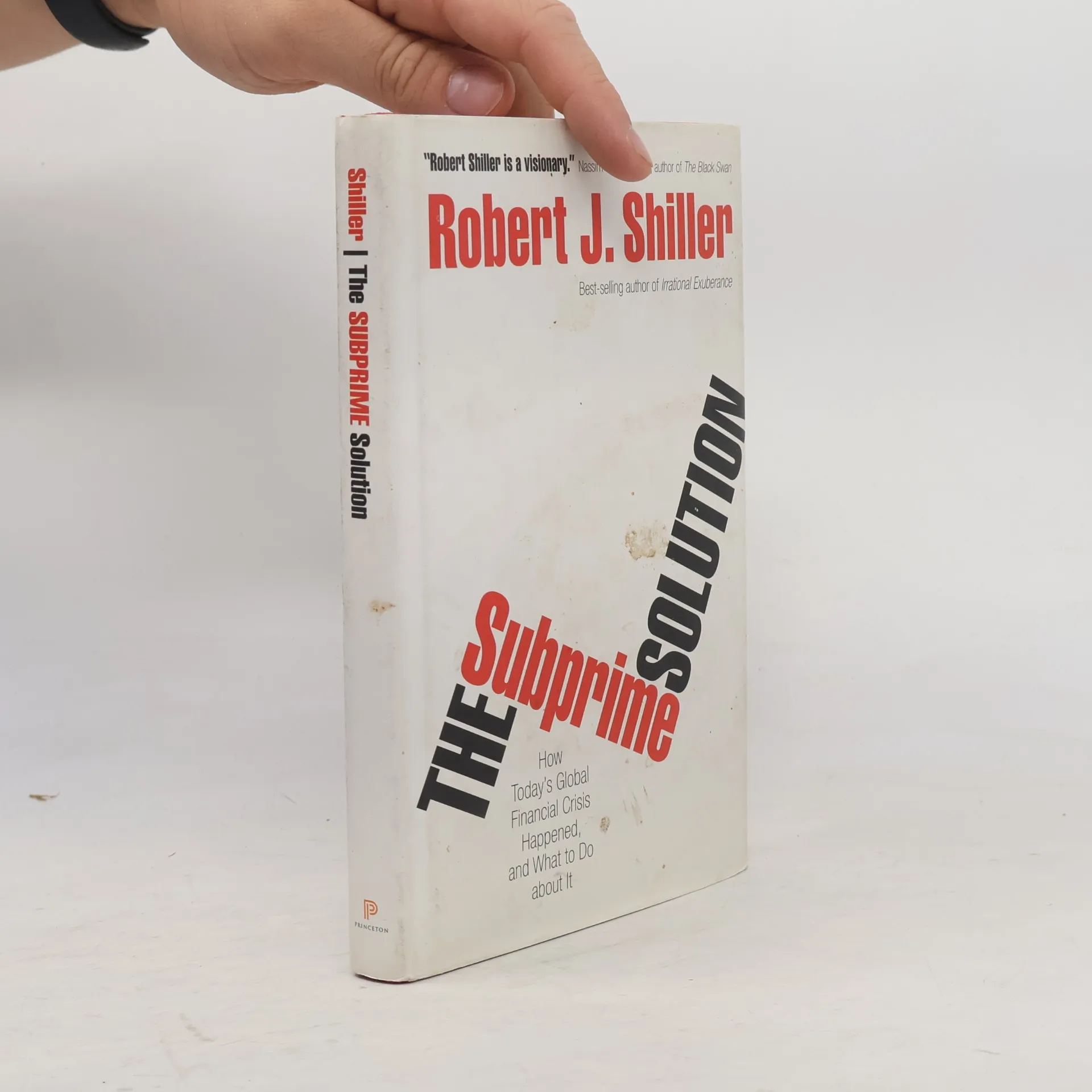
The Subprime Solution
- 196 stránek
- 7 hodin čtení
The subprime mortgage crisis has devastated millions and poses a significant threat to the U.S. and global economies. In this insightful work, economist Robert Shiller examines the crisis's origins and proposes bold solutions. He advocates for a comprehensive restructuring of the financial system to restore confidence in home buying and foster greater prosperity in the interconnected global economy. Shiller attributes the crisis to the irrational exuberance that fueled the recent economic bubbles in stocks and housing, leading to excessive credit extension and resulting in foreclosures, bankruptcies, and a global credit crunch. To regain market confidence, he argues for immediate bailouts, specifically targeting low-income victims of subprime deals. For a sustainable solution, Shiller emphasizes the need for leaders to overhaul the financial framework with initiatives designed to prevent future bubbles and mitigate risks. These include improved financial information, simplified legal contracts, expanded risk management markets, home equity insurance, income-linked home loans, and measures to protect consumers from hidden inflation. This compelling book is crucial for understanding the subprime crisis and exploring pathways to recovery.
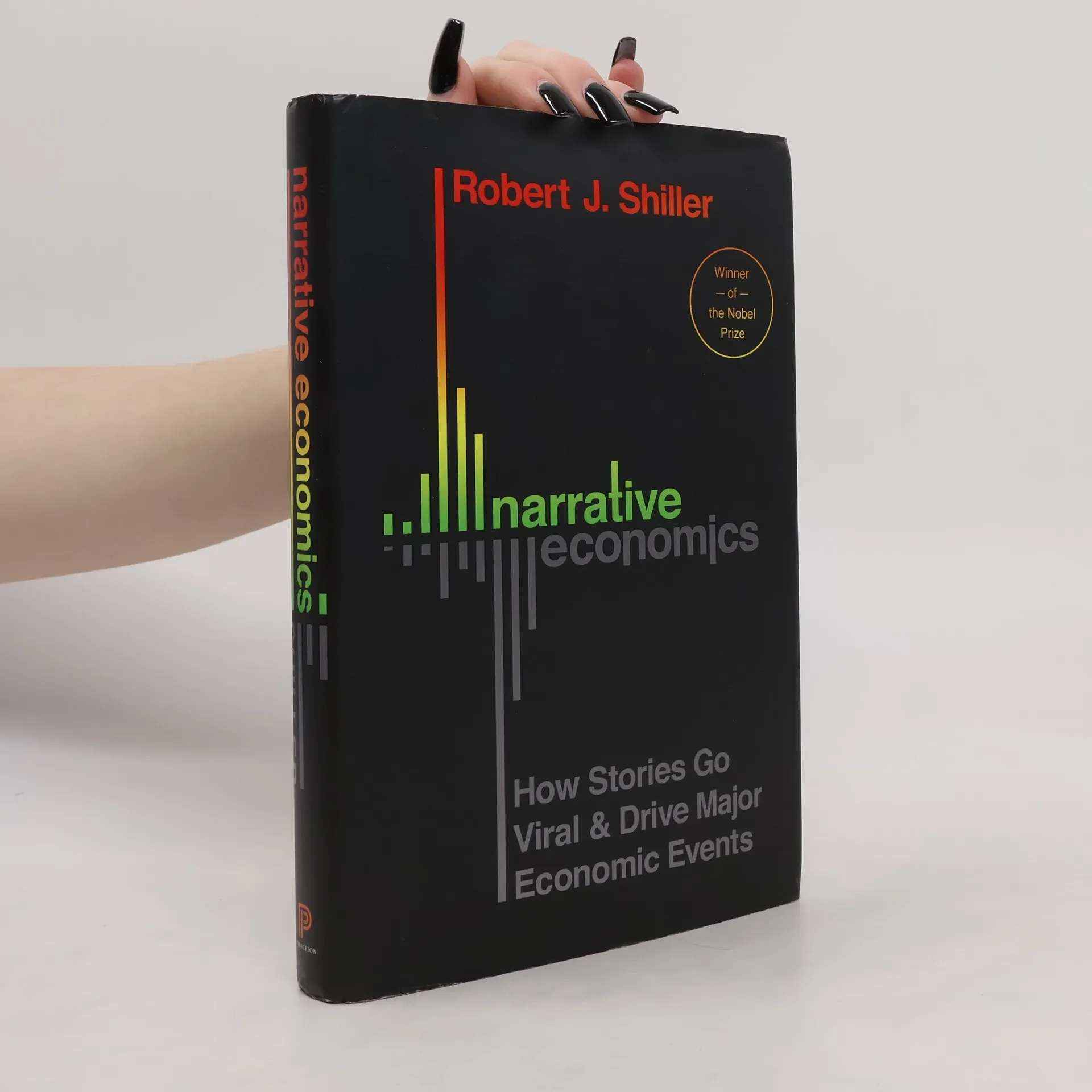
Narrative Economics
- 400 stránek
- 14 hodin čtení
Economists have traditionally relied on financial aggregates like price-earnings ratios and asset prices for forecasts, often with limited success. Robert Shiller enhances this approach by incorporating insights from mass psychology, leading to the development of behavioral economics. He explores how psychological factors shape economic events and narratives, explaining the emergence and viral spread of popular economic stories and their impact on economic developments. In the preface, Shiller introduces narrative economics, referencing the Great Depression and World War II, and illustrates a contemporary example with the viral rise of Bitcoin. He discusses how narrative economics intersects with other disciplines and draws parallels to epidemiology in understanding how ideas spread. Shiller also examines recurring economic narratives, such as the gold standard, real estate booms, and stock market fluctuations. He concludes with a vision for future research in narrative economics, emphasizing the importance of understanding these narratives in shaping economic realities.
Routledge Studies in the Modern World Economy: Financial Decision Making
Understanding Chinese Investment Behavior
- 136 stránek
- 5 hodin čtení
Exploring the intricacies of financial decision-making, this book highlights key biases that influence human behavior, including over-confidence, naïve extrapolation, attention, and risk aversion. It delves into how these biases can lead both investors and corporations to make significant errors in their investment choices, offering valuable insights into improving decision-making processes in the financial realm.
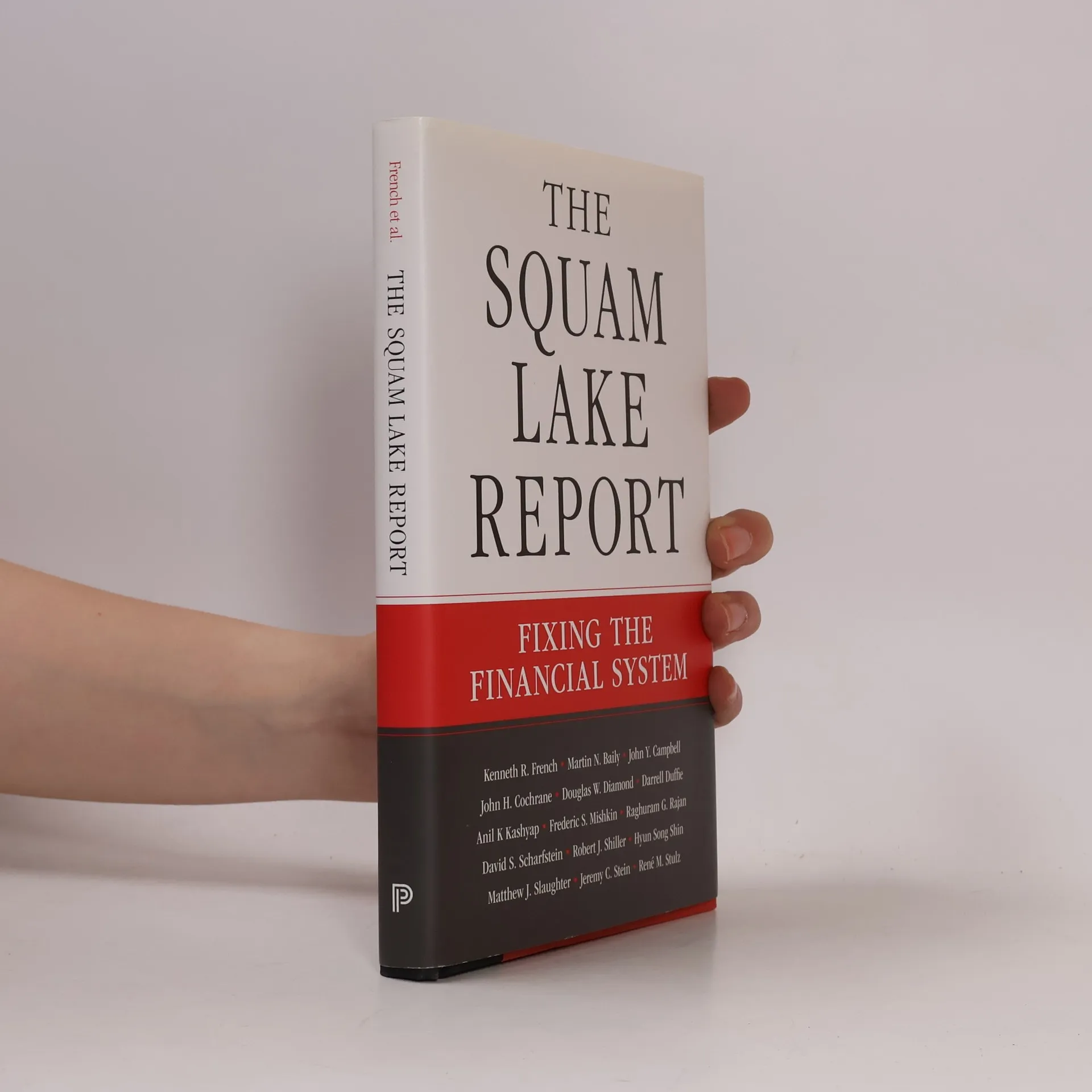
In the fall of 2008, fifteen leading economists gathered at Squam Lake, New Hampshire, to devise a long-term plan for financial regulation reform. The resulting insights form a unified, nonpartisan strategy aimed at addressing the issues plaguing global financial markets. Unlike the ideologically driven proposals that have dominated discussions, this report presents a clear action plan designed to transform financial regulation for future generations. The authors highlight the ongoing conflict between financial institutions and society, offering transparent solutions to bridge this divide. They identify critical gaps in the current regulatory framework concerning complex financial entities, retirement savings, and credit default swaps. Innovative ideas for new financial instruments are proposed to recapitalize banks without imposing costs on taxpayers. To mitigate the risk of large bank failures, the report advocates for higher capital requirements and the establishment of a systemic regulator within the central bank. By analyzing the failures of the financial system and recommending necessary reforms, this report combines extensive academic, private sector, and public policy expertise. Its urgent recommendations aim to enhance the financial well-being of all, making it essential reading for anyone concerned about the health of the global economy.