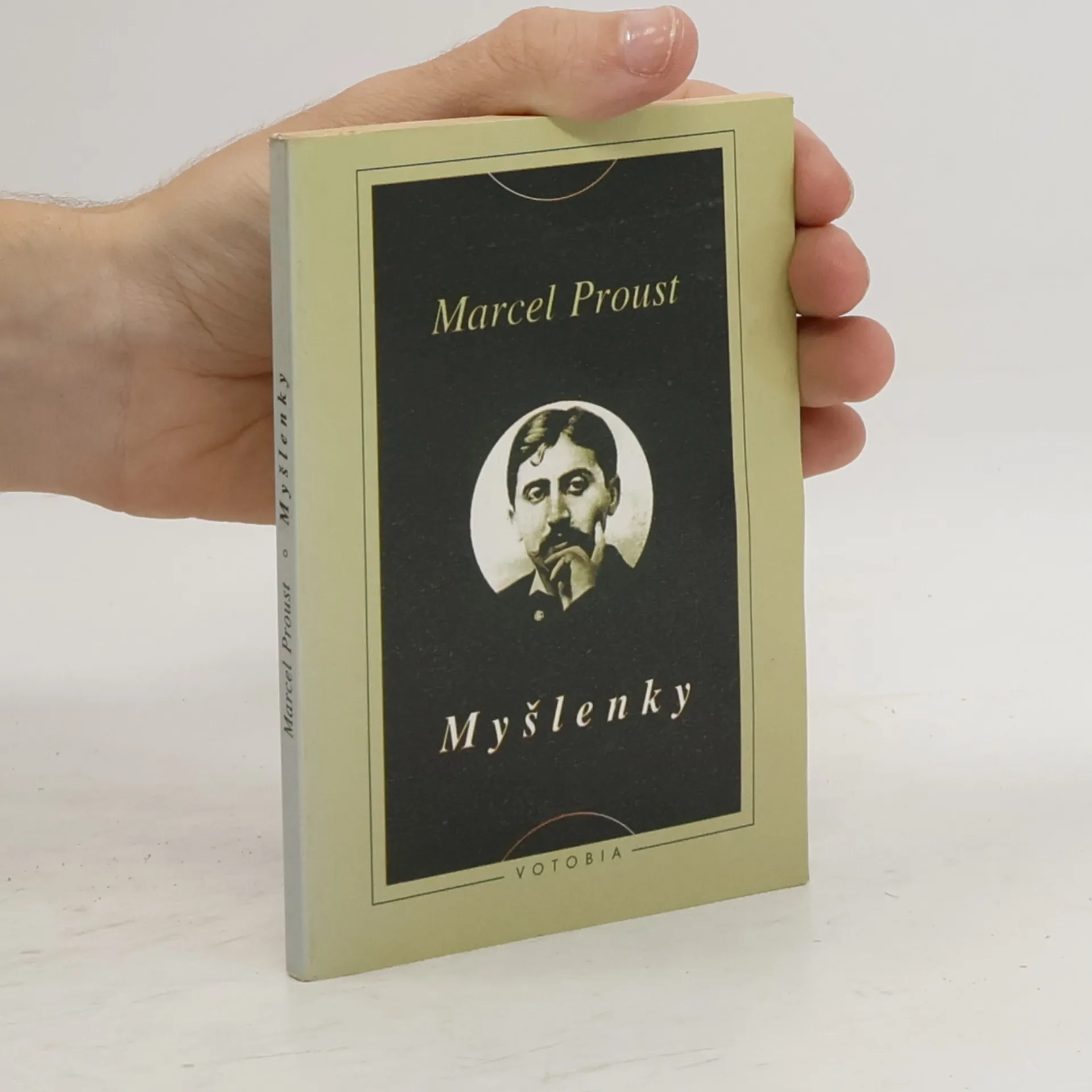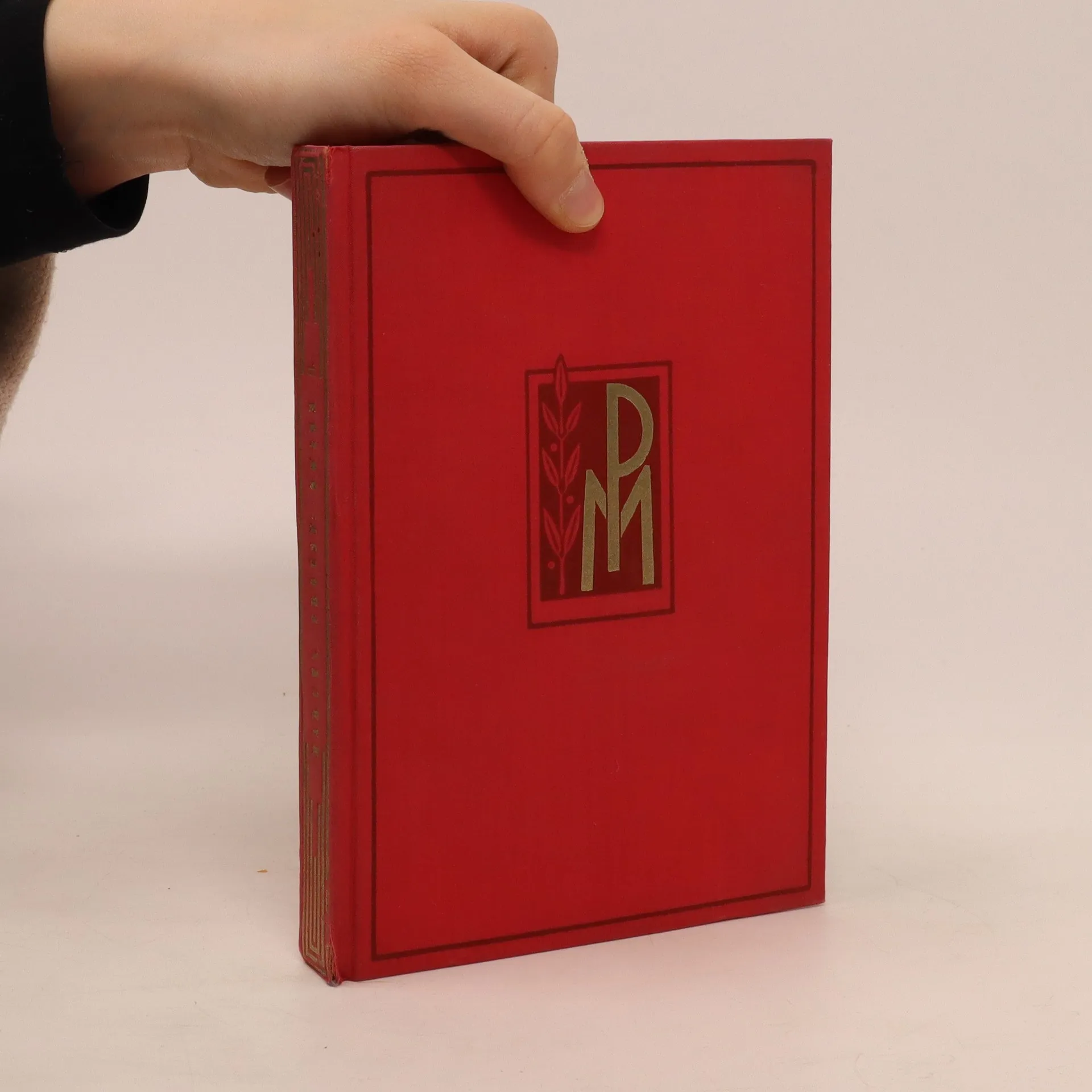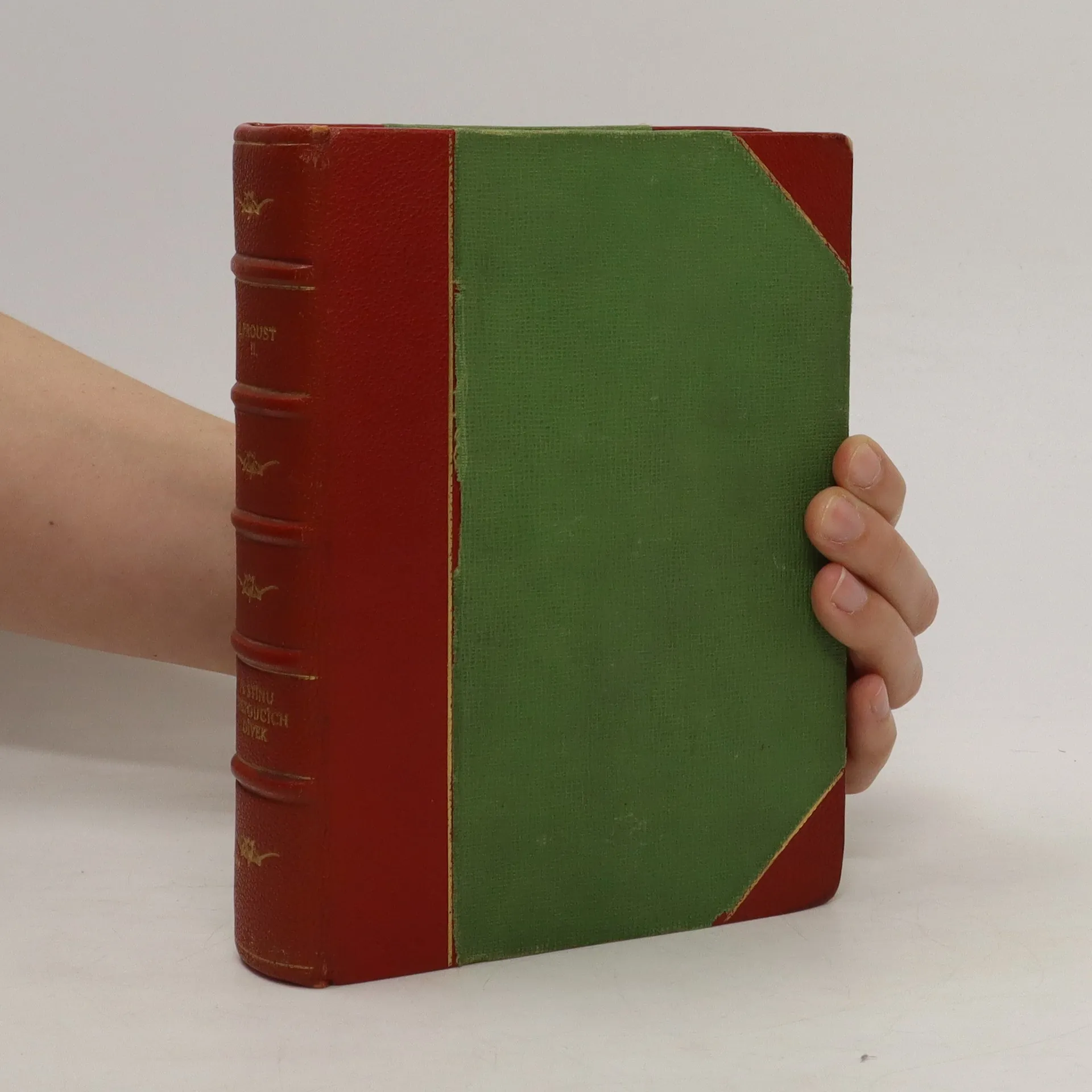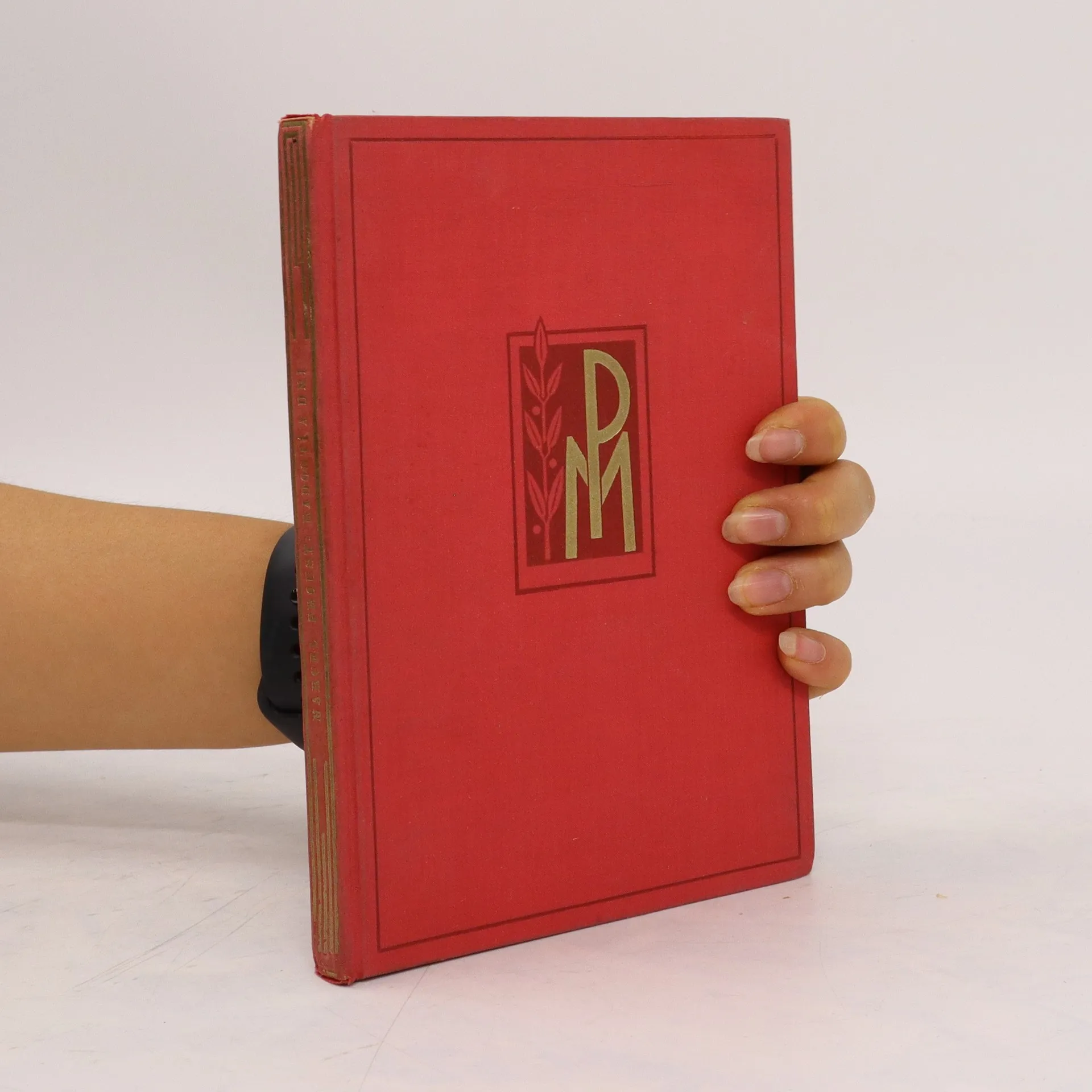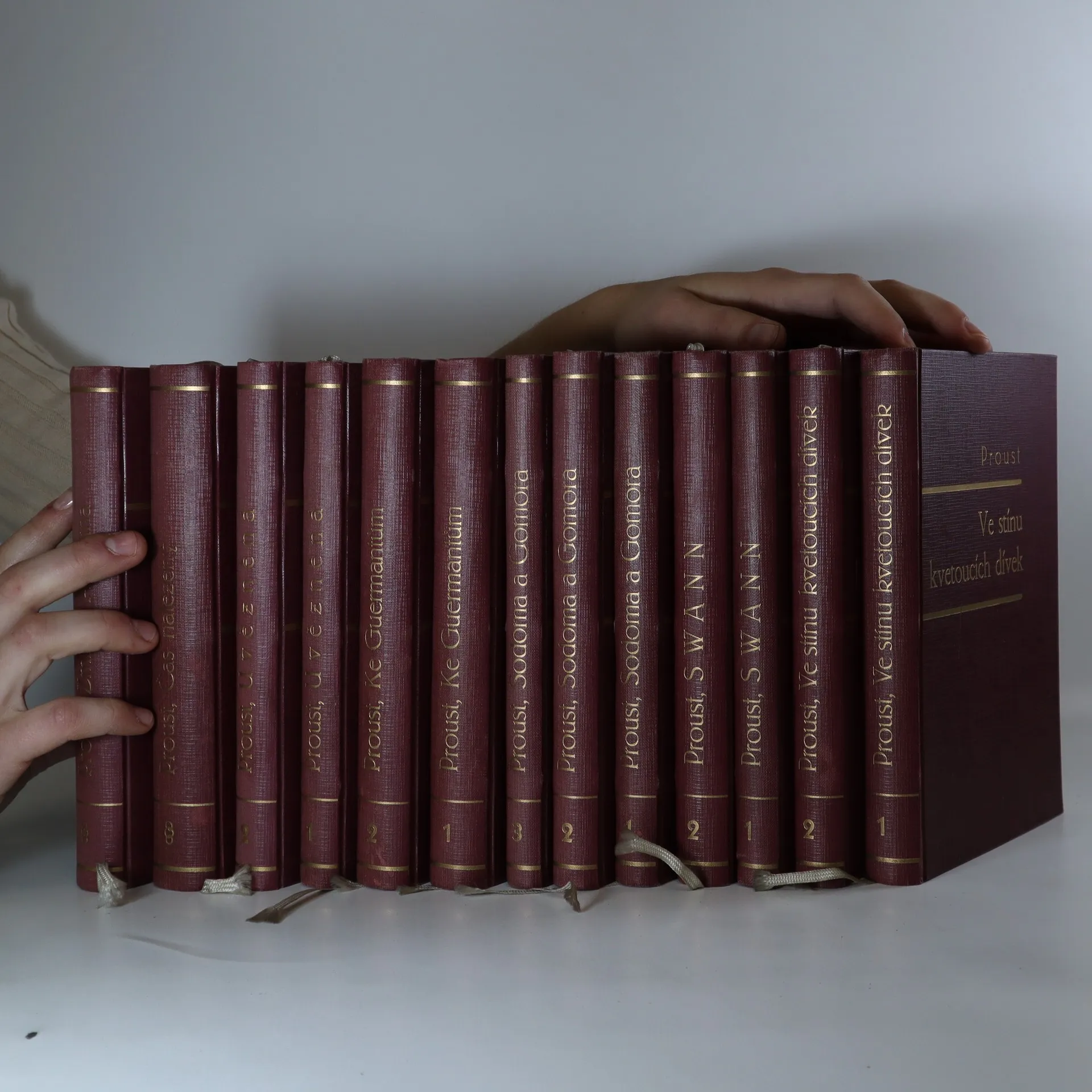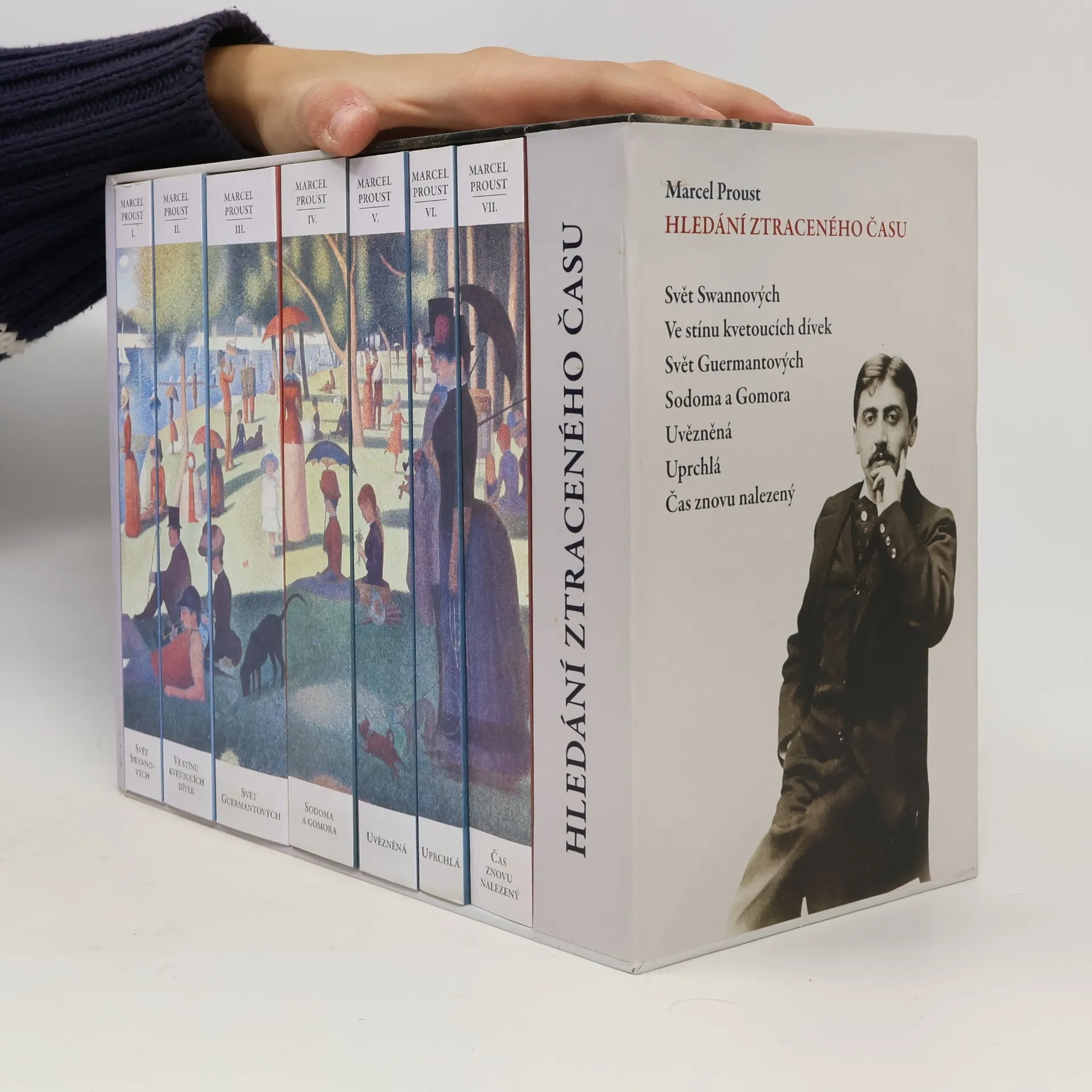
Tento francouzský prozaik je považován za jednoho z největších autorů 20. století. Jeho rozsáhlé dílo, psané převážně technikou proudu vědomí, je považováno za vrcholné dílo moderní literatury. Ve svých textech často zkoumal témata paměti, času a společenských vrstev. Jeho jedinečný styl a hloubka vhledu do lidské psychiky činí jeho dílo nezapomenutelným.
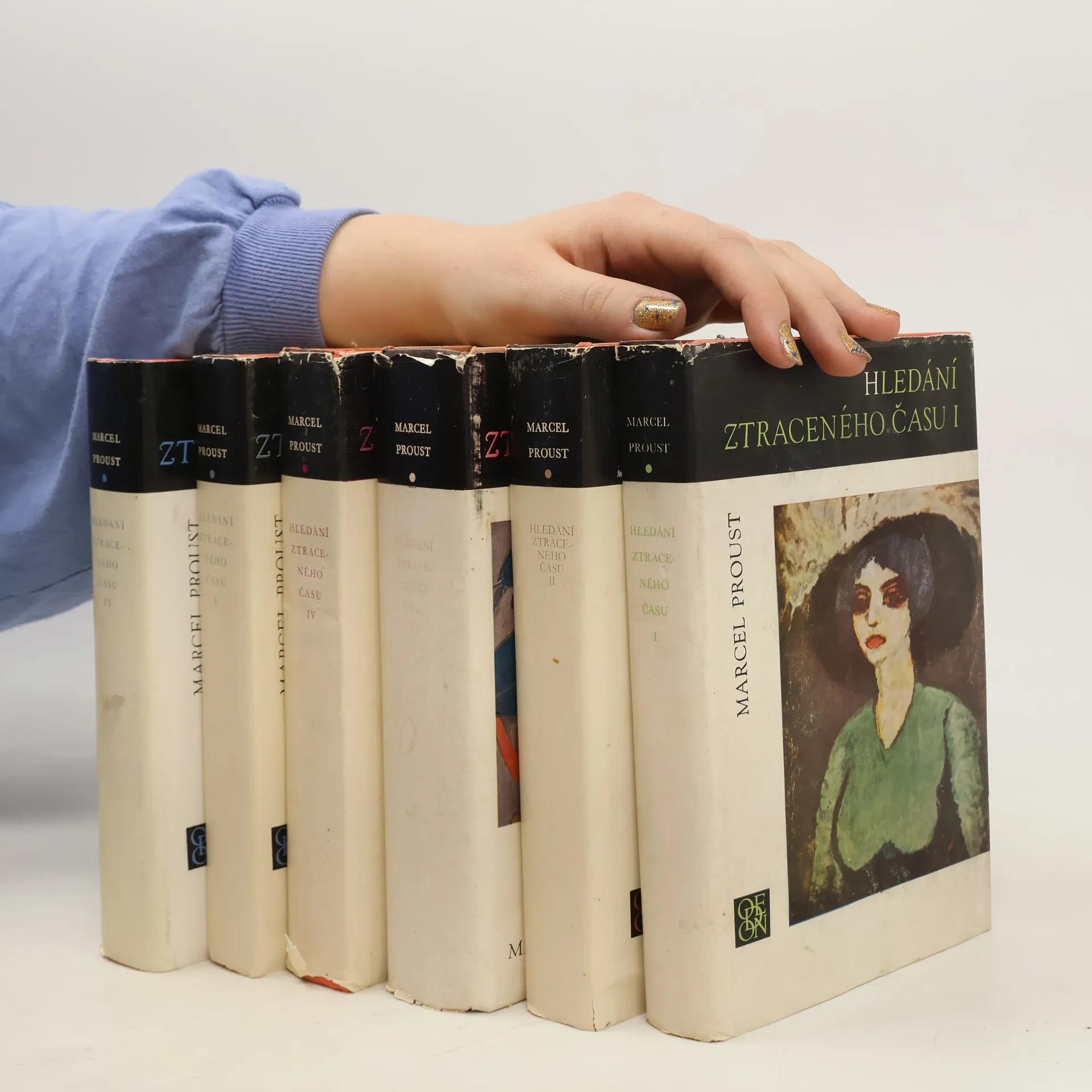
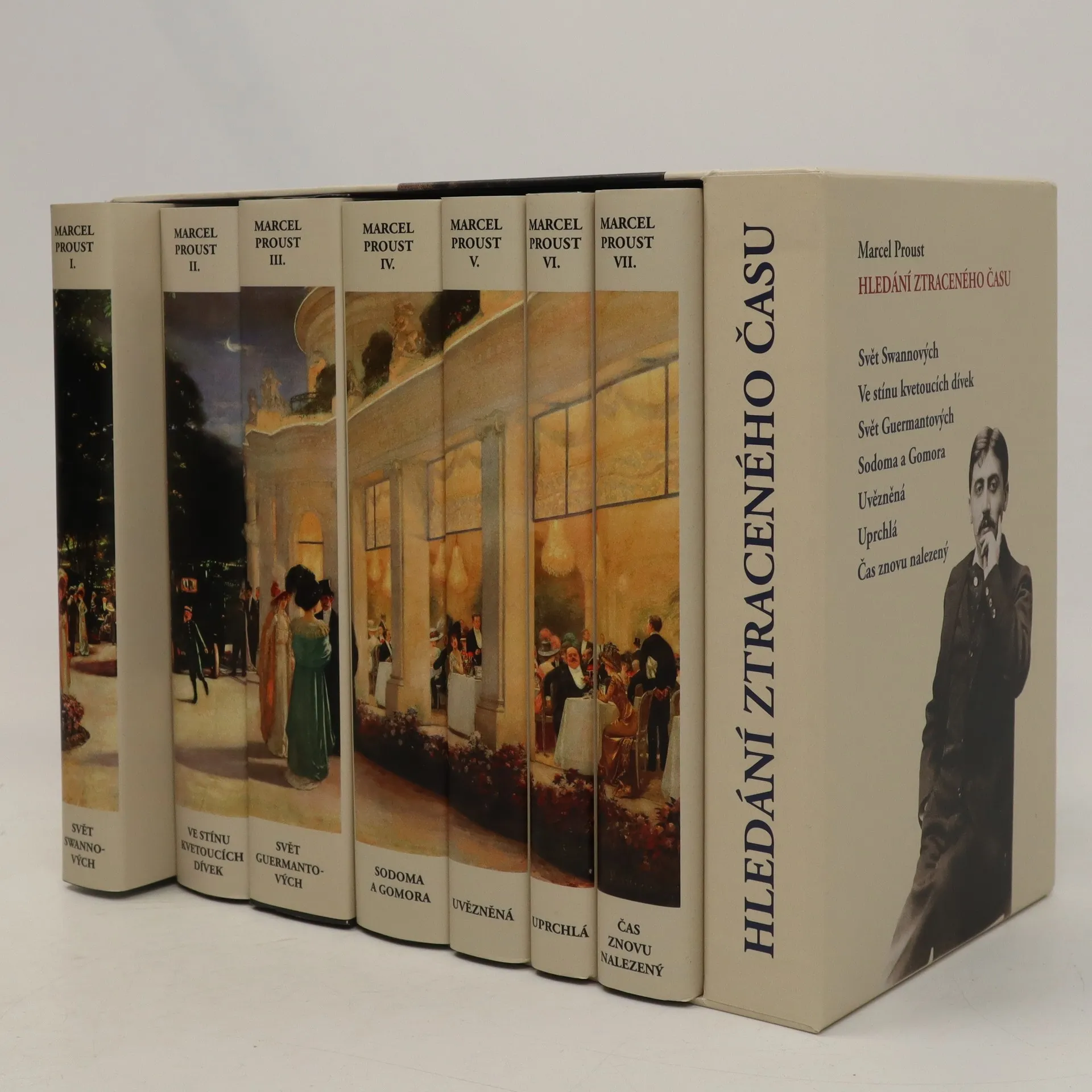
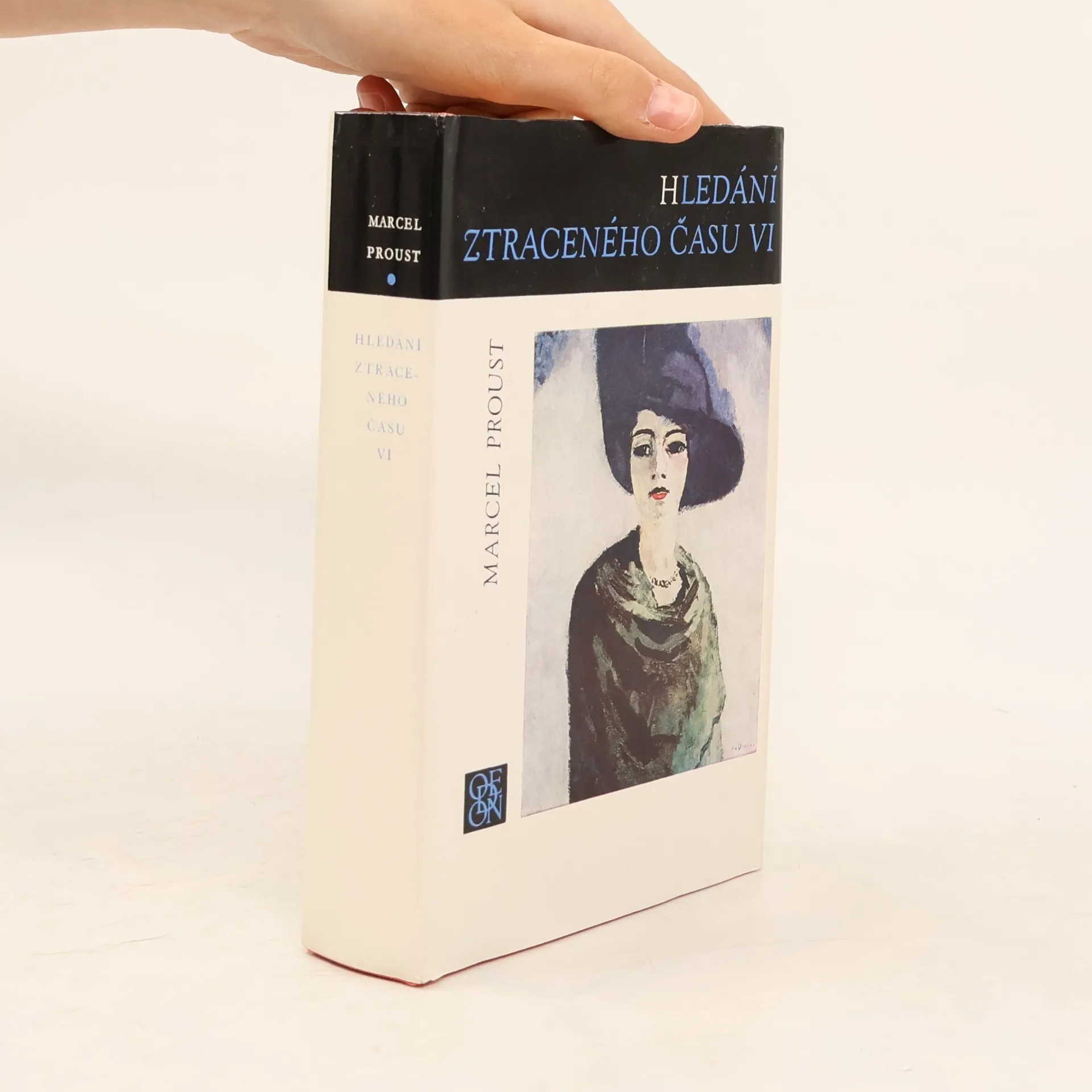
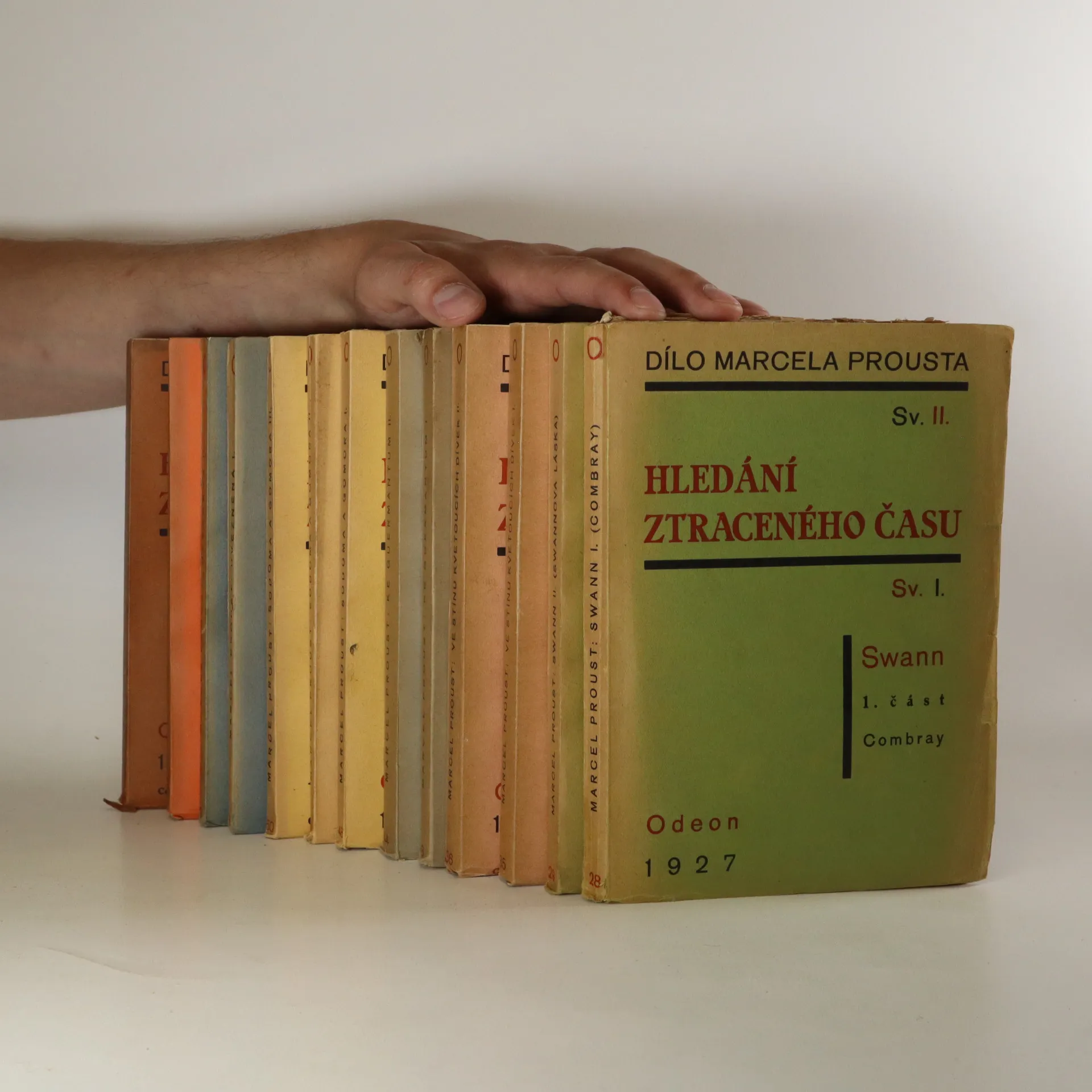
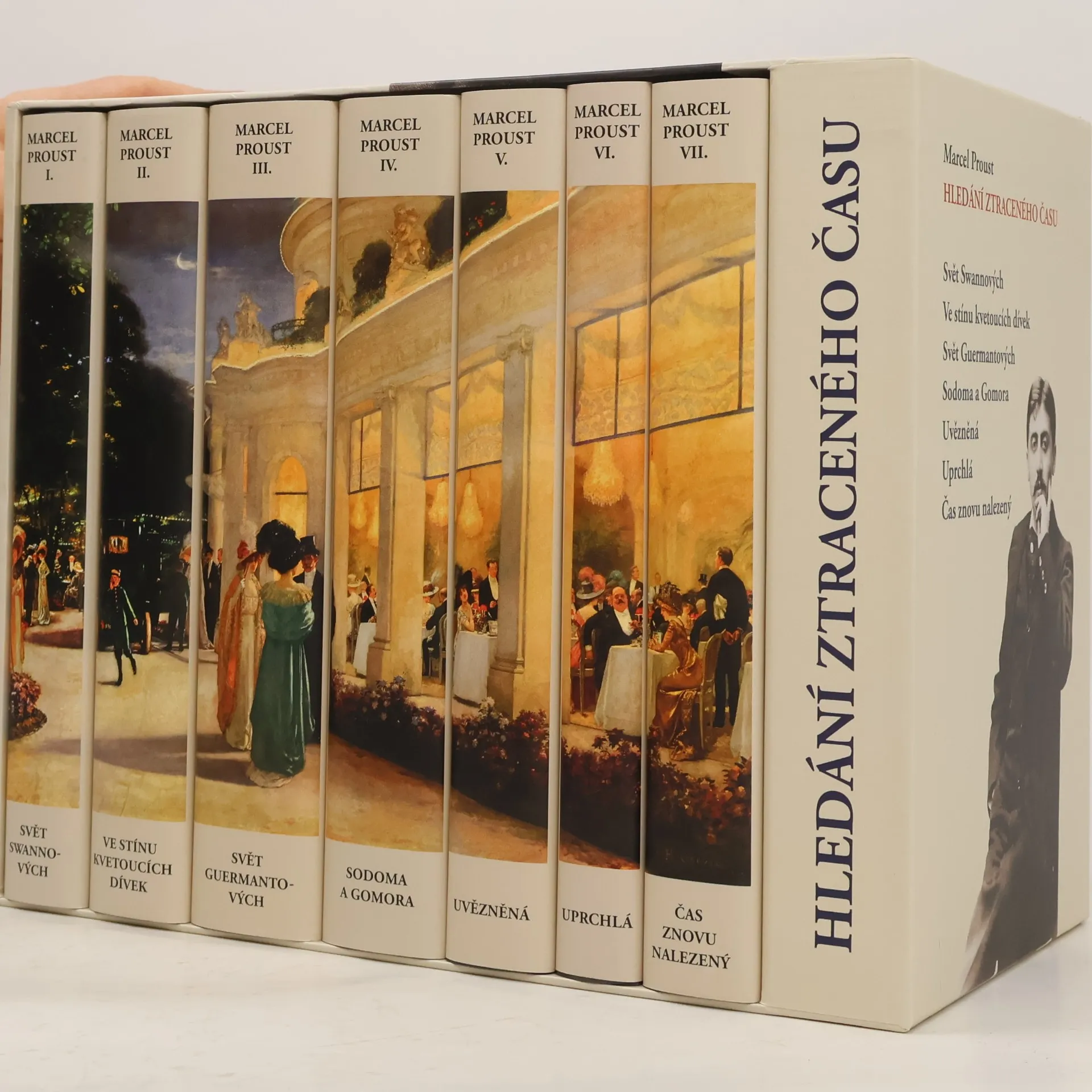
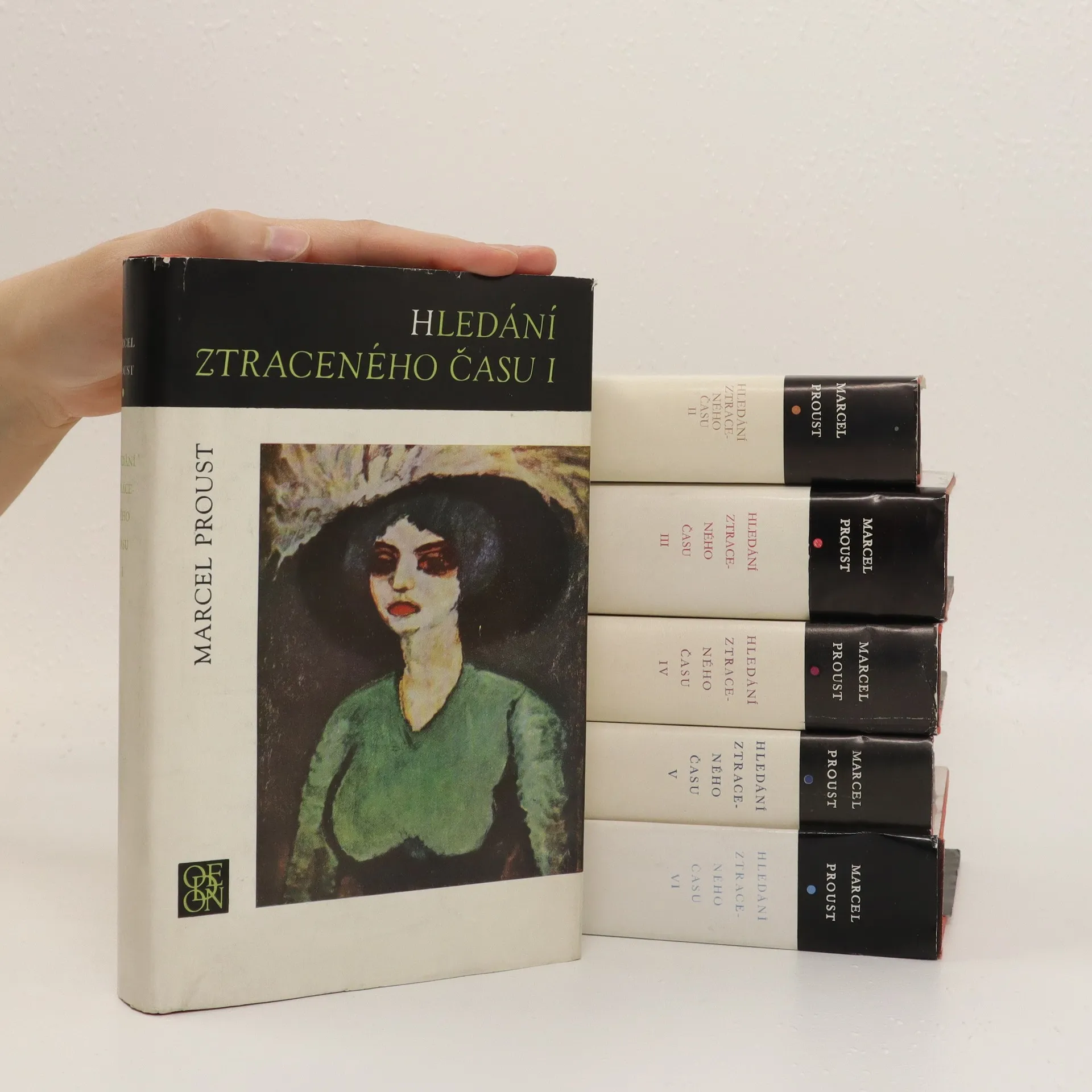
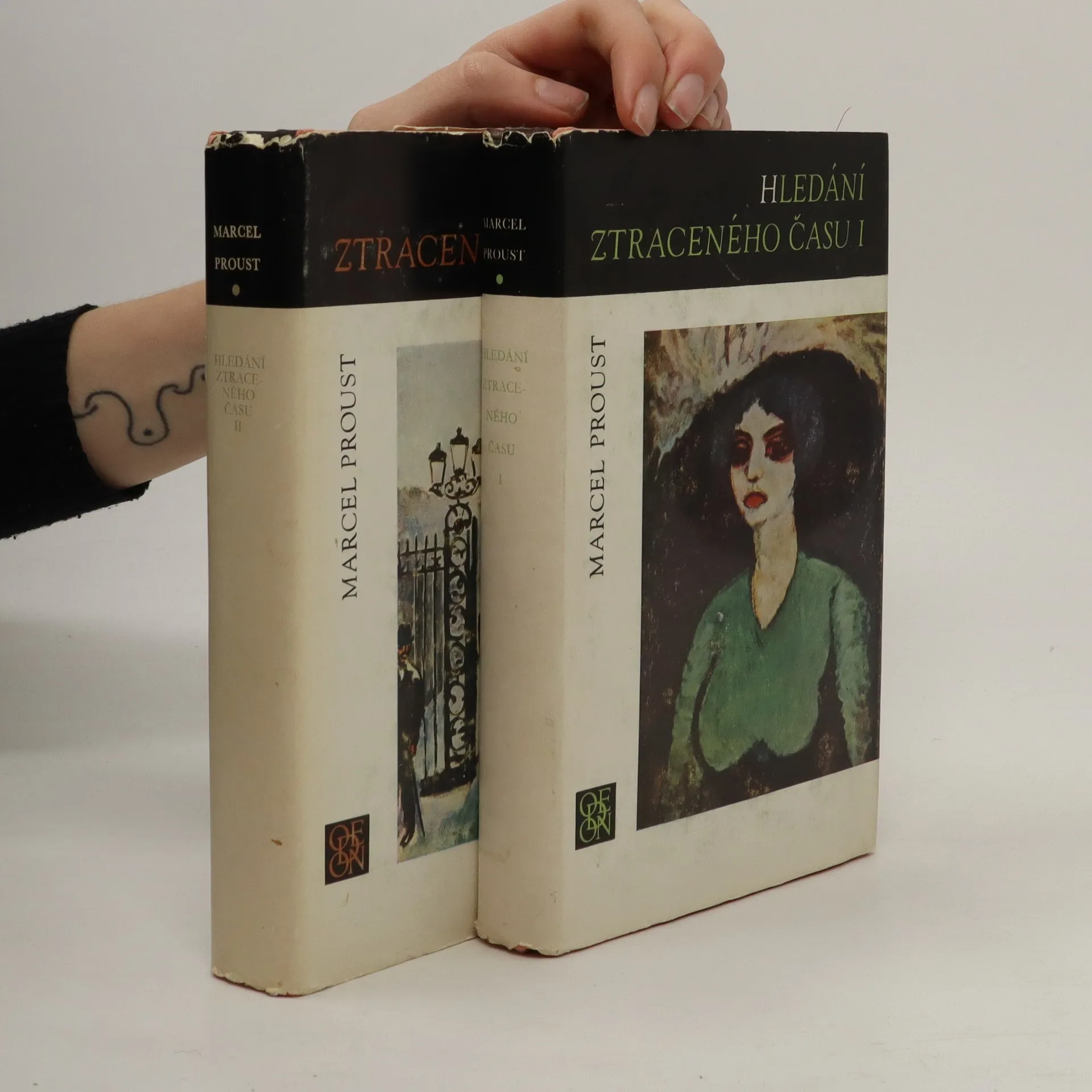
Nové kompletní vydání stěžejního díla světové literatury. Sedmidílný román Hledání ztraceného času, považovaný za jedno ze základních děl nejen francouzské, ale i světové literatury, vznikal v letech 1909 až 1922 a byl uveřejňován postupně v letech 1913 až 1927. Proustův románse odehrává v prostředí francouzské vyšší společnosti na přelomu 19. a 20. století. Lze-li o něm říci, že podává po Balzacově Lidské komedii nejúplnější „obraz mravů“ své doby, zároveň platí, že autorovi jde o mnohem víc než o realistické zobrazení společnosti: hlavními tématy jeho díla jsou čas, paměť, umění a poznání. Hlavním "hrdinou" tohoto románu-řeka, či spíše románu-katedrála, který čítá 3120 stran a v němž figuruje více než 200 postav, je lidské vědomí. Vydání je doplněno o rozsáhlý doslov, jehož autorem je Josef Fulka, jeden z našich největších znalců Proustova díla.
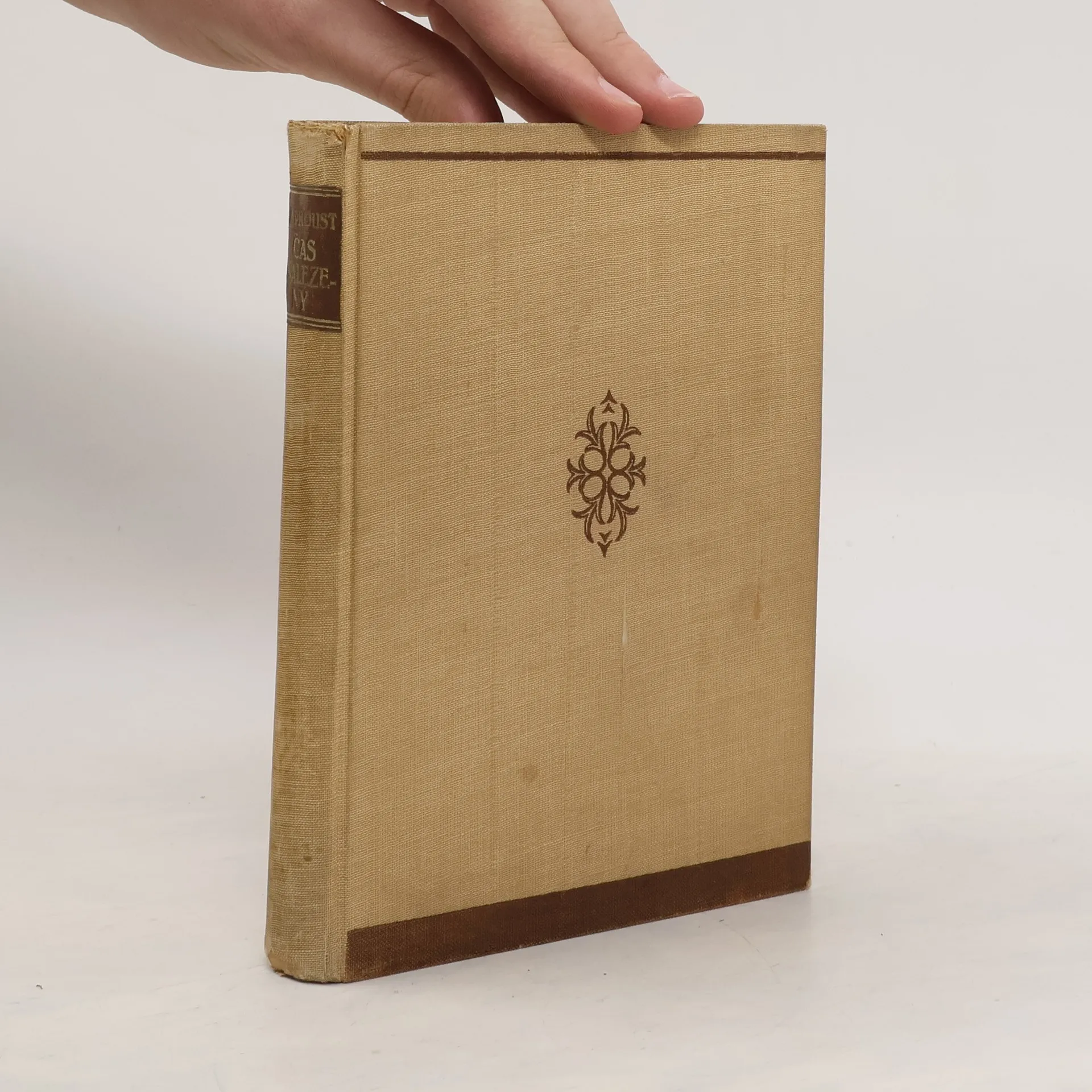
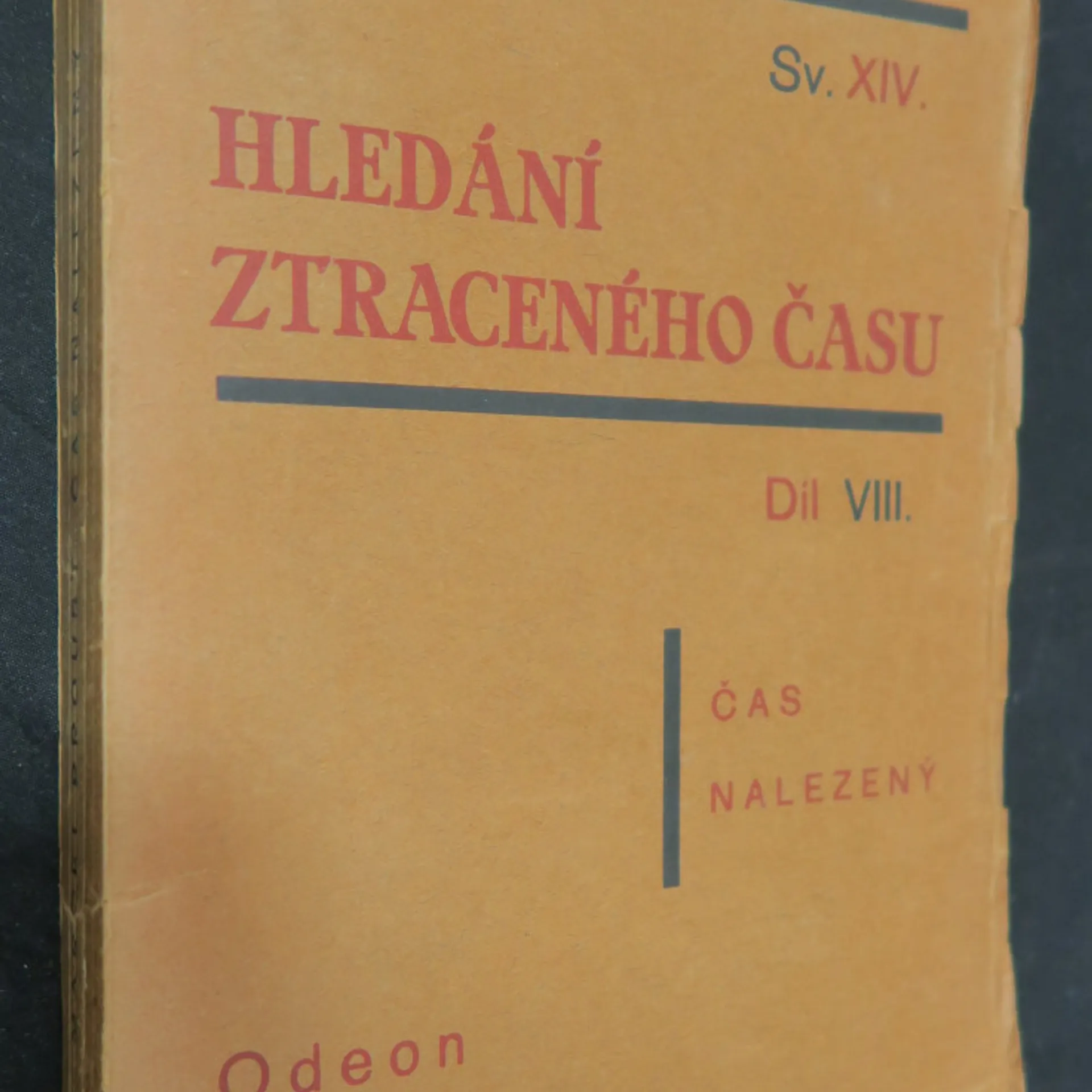
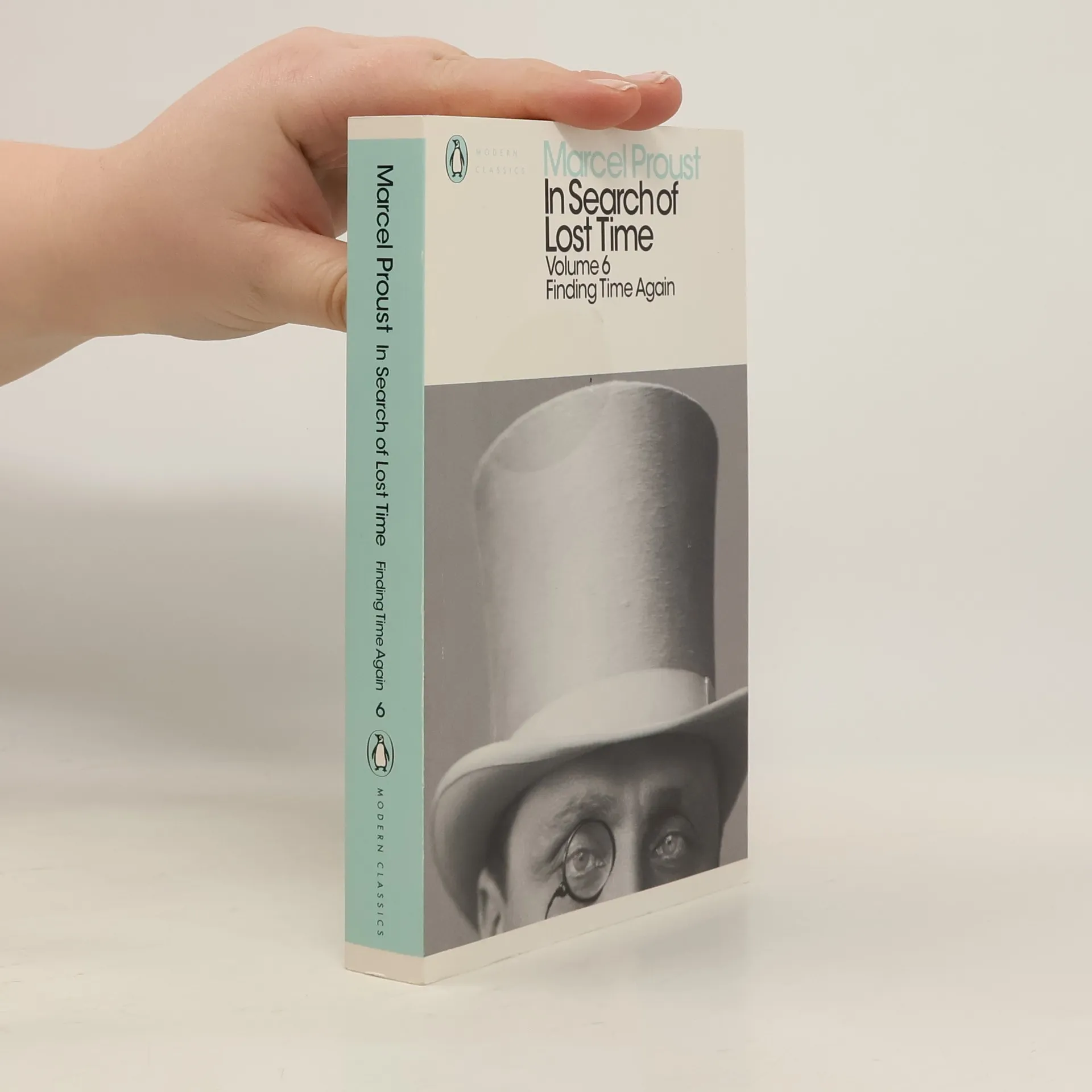
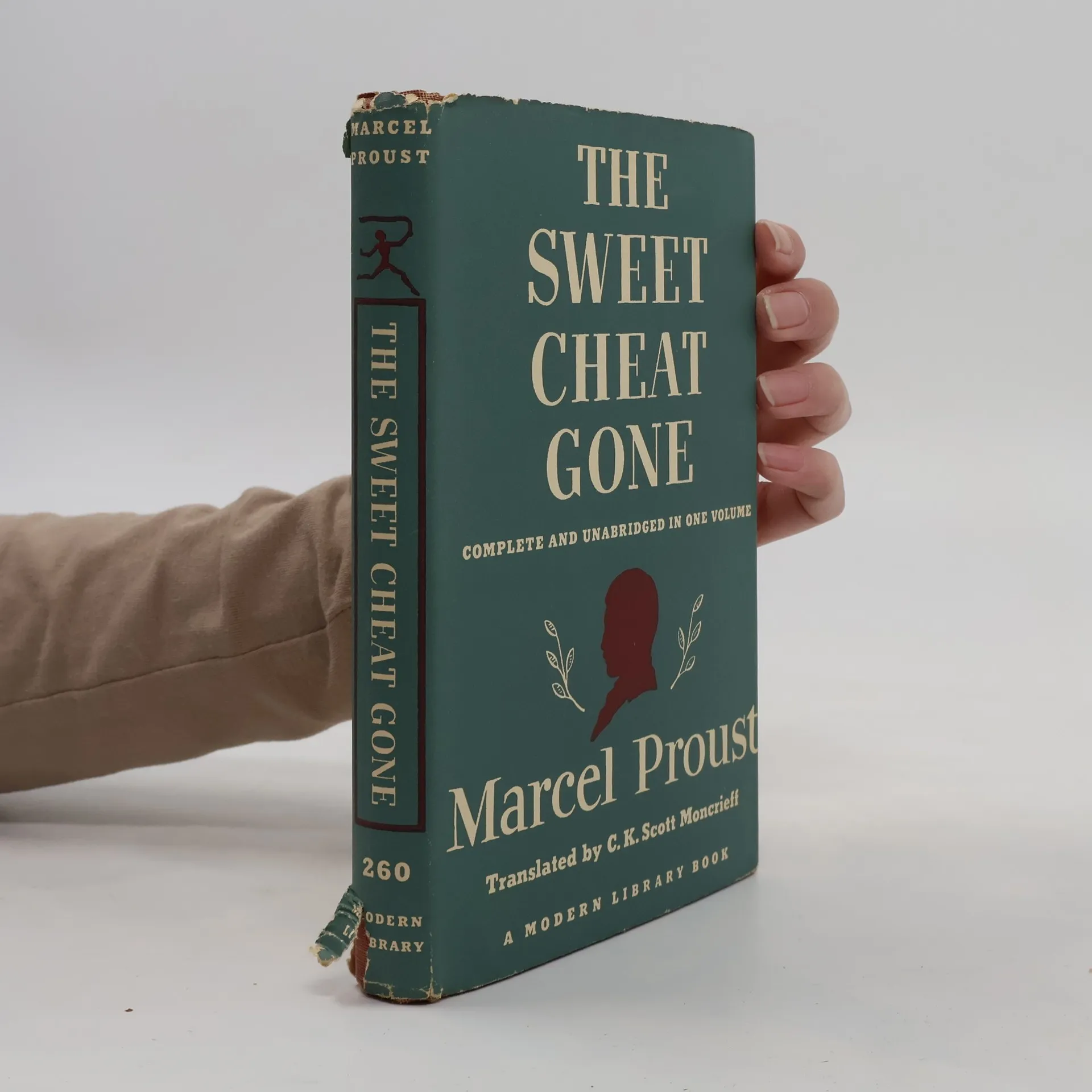
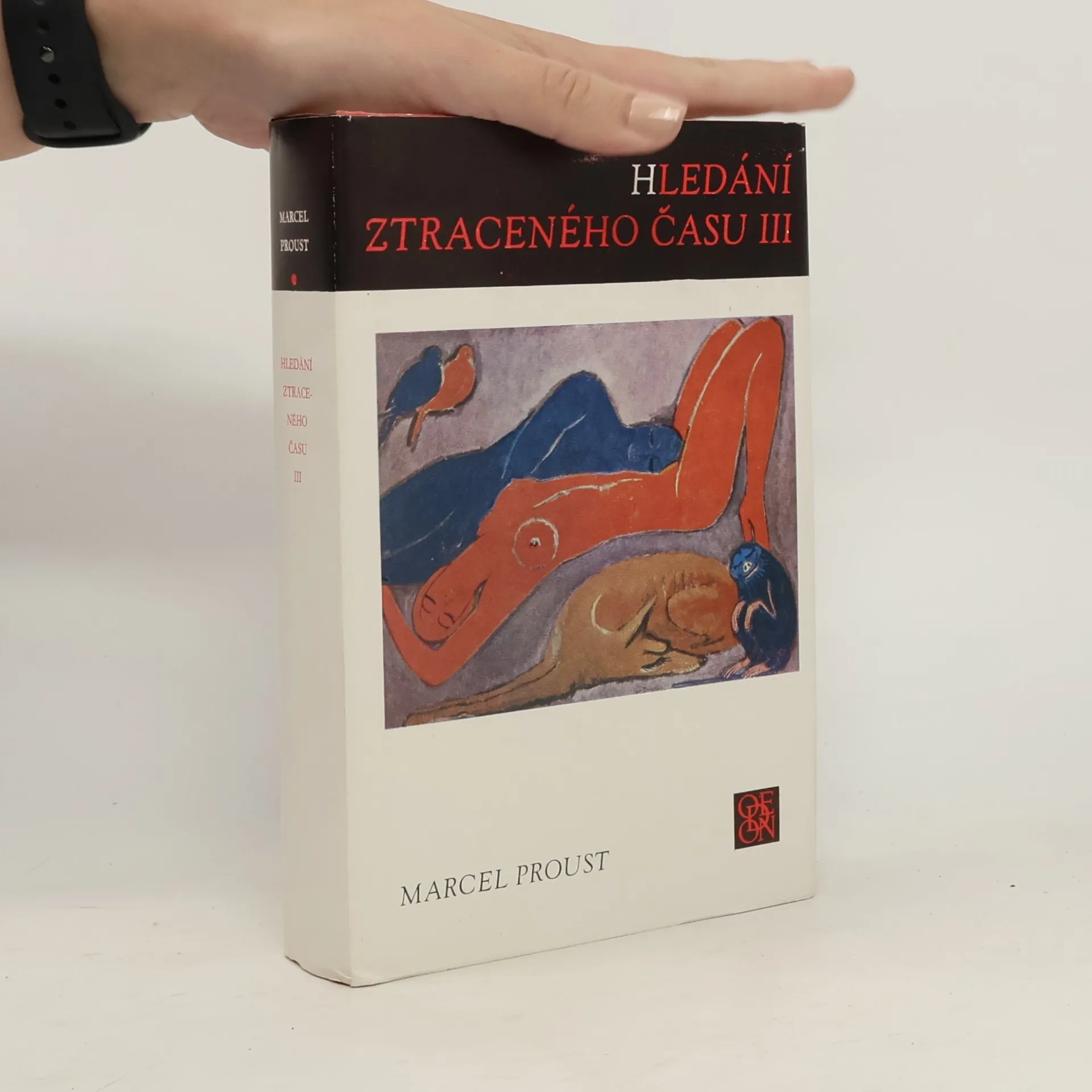
Závěrečný díl románové řady zastihuje zestárlého vypravěče, který pozoruje a konstatuje proměny, kterých společnost za jeho života doznala - pád staré aristokracie, vzestup dříve opovrhované zbohatlické kasty a také pohled na 1. světovou válku, tuto definitivní tečku za starými časy. Druhým těžištěm závěrečné části jsou úvahy nad literární poetikou i smyslem a důležitostí umělecké tvorby, která jediná může znovu nalézt čas, ztracený v malicherných peripetiích skutečného života.
Nové kompletní vydání stěžejního díla světové literatury. Sedmidílný román Hledání ztraceného času, považovaný za jedno ze základních děl nejen francouzské, ale i světové literatury, vznikal v letech 1909 až 1922 a byl uveřejňován postupně v letech 1913 až 1927. Proustův románse odehrává v prostředí francouzské vyšší společnosti na přelomu 19. a 20. století. Lze-li o něm říci, že podává po Balzacově Lidské komedii nejúplnější „obraz mravů“ své doby, zároveň platí, že autorovi jde o mnohem víc než o realistické zobrazení společnosti: hlavními tématy jeho díla jsou čas, paměť, umění a poznání. Hlavním "hrdinou" tohoto románu-řeka, či spíše románu-katedrála, který čítá 3120 stran a v němž figuruje více než 200 postav, je lidské vědomí. Vydání je doplněno o rozsáhlý doslov, jehož autorem je Josef Fulka, jeden z našich největších znalců Proustova díla.
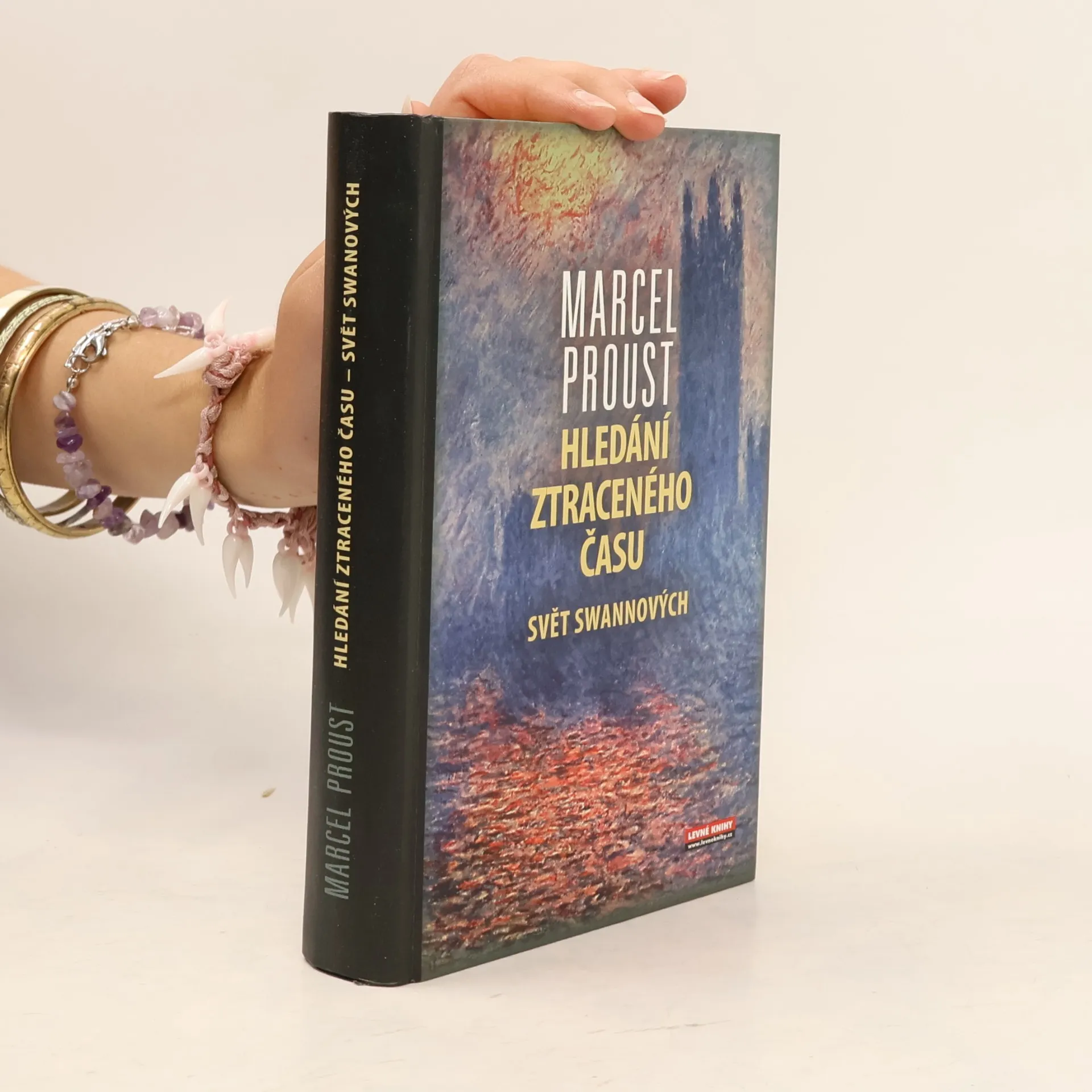
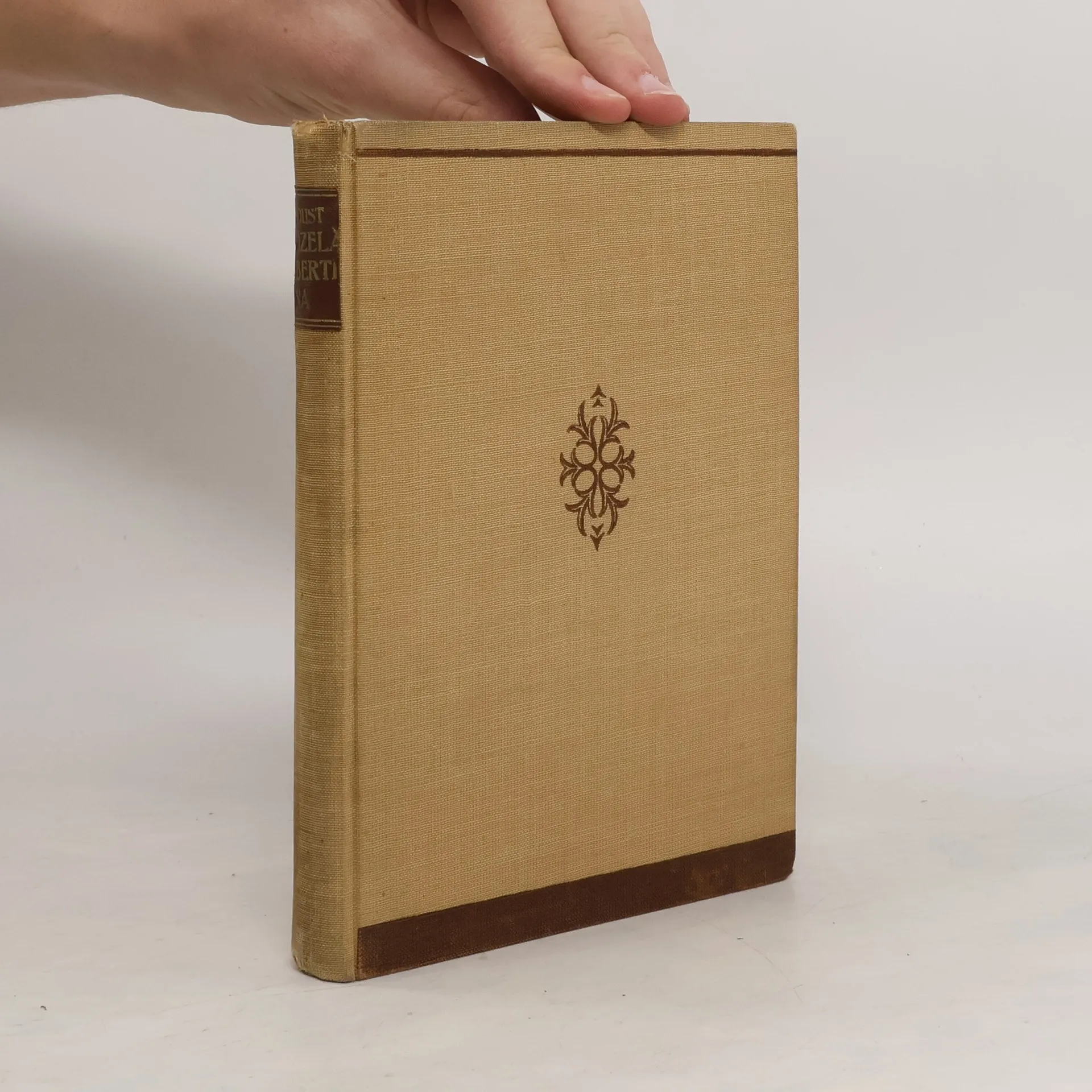
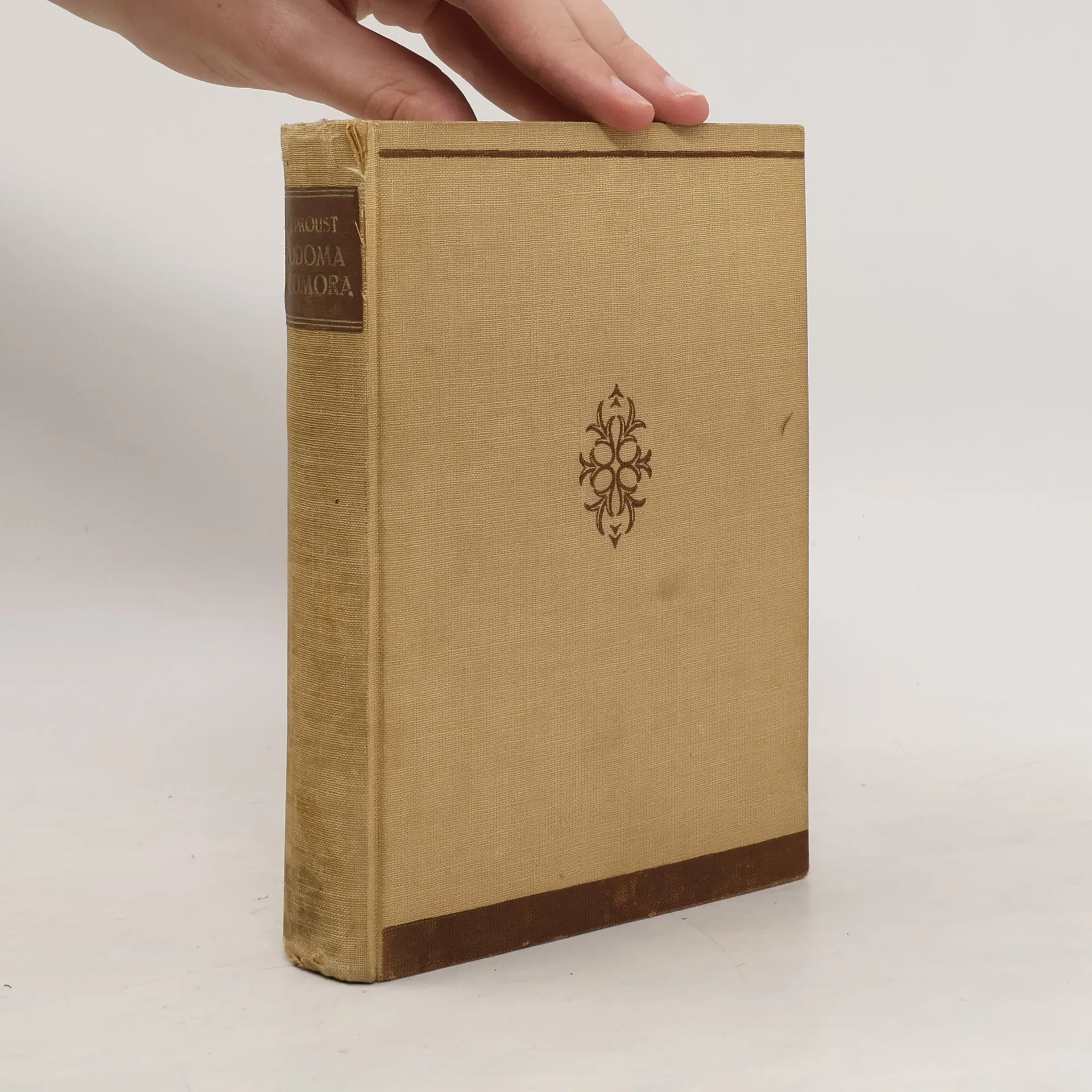
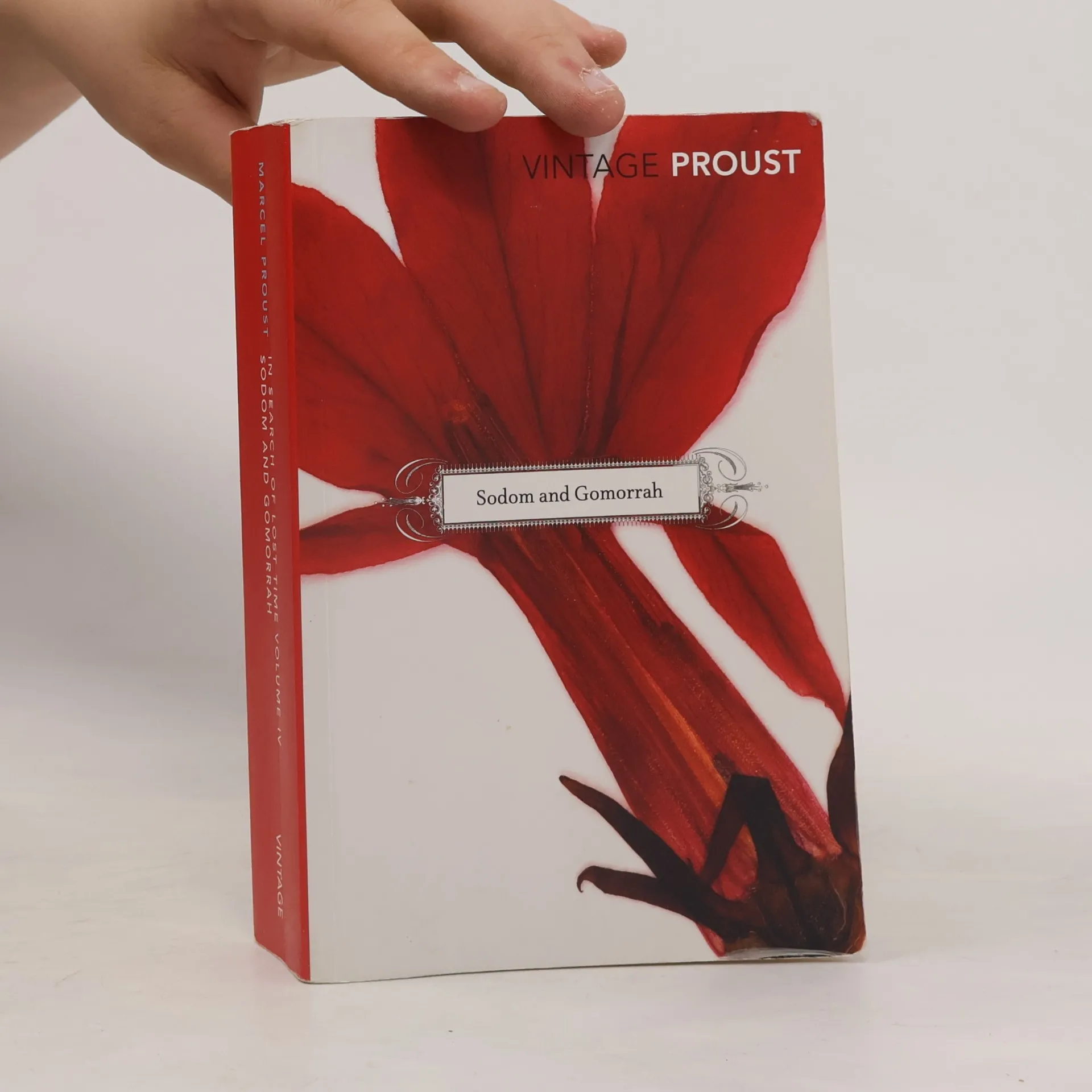
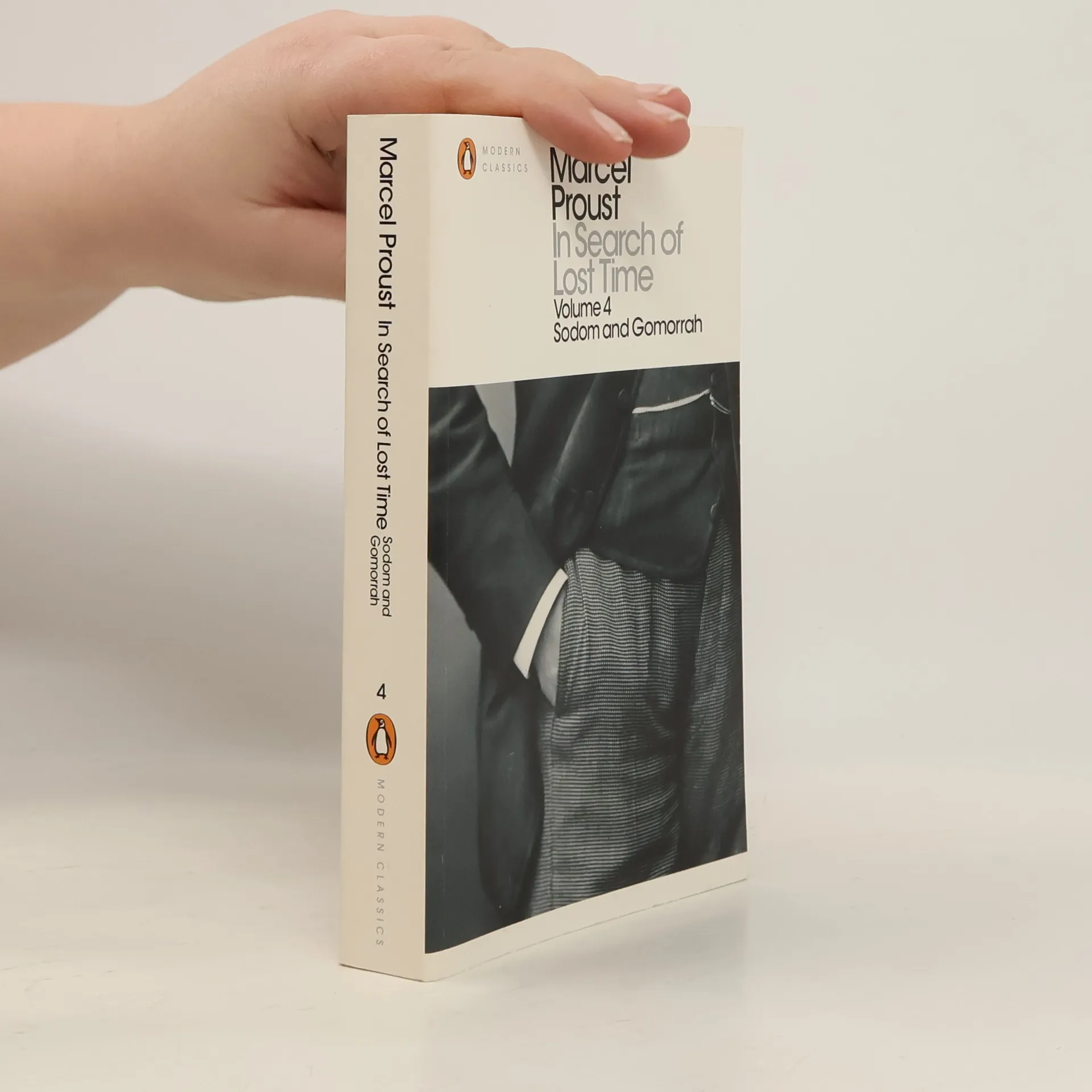
V Sodomě a Gomoře Proust odkrývá skryté stránky povahy a života jedné ze svých nejpřízračnějších postav – barona Charluse. Znovu sledujeme vypravěčův život v přímořském Balbecu, jeho rozporuplnou lásku k Albertině a jeho úspěchy v salónech okolních záměčků.
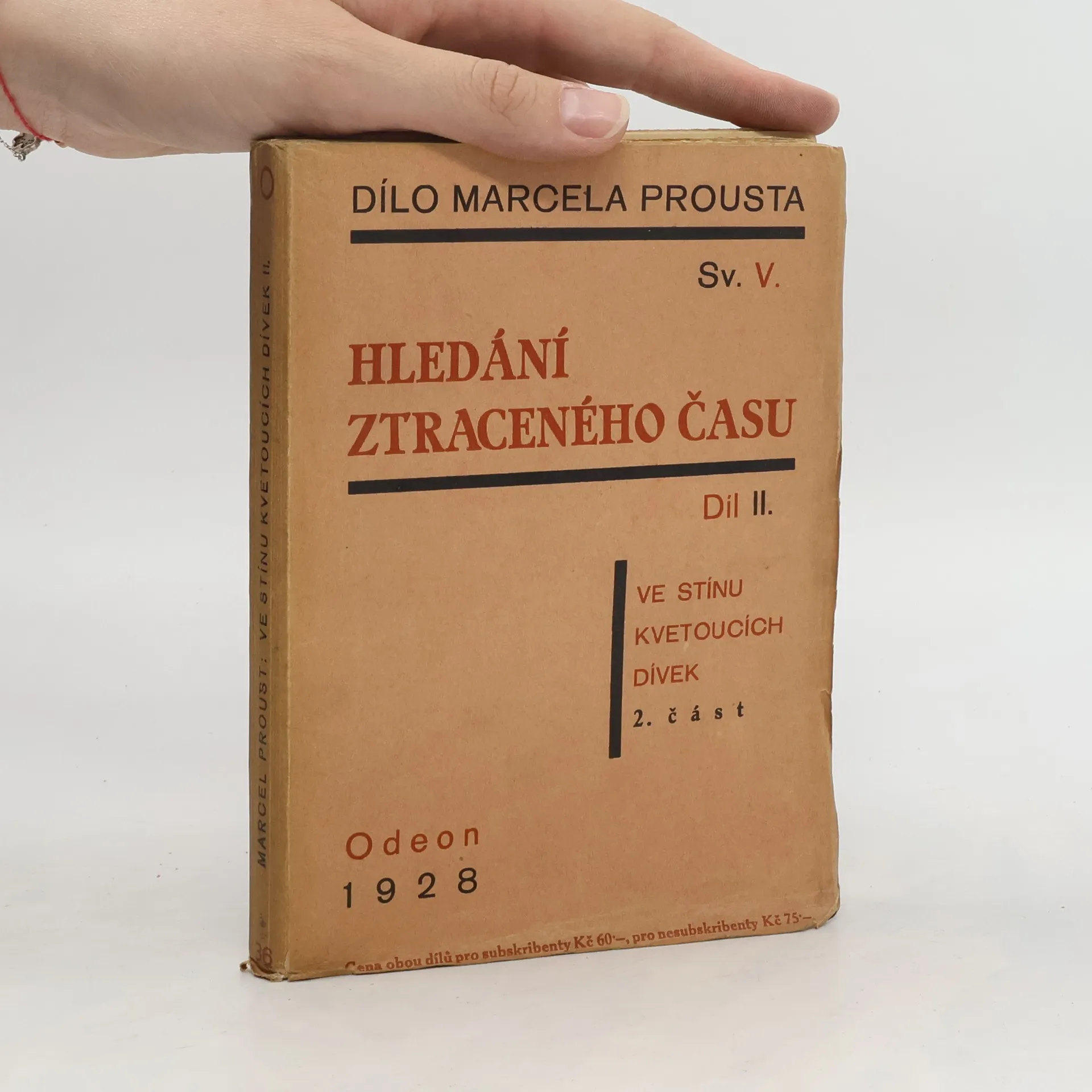
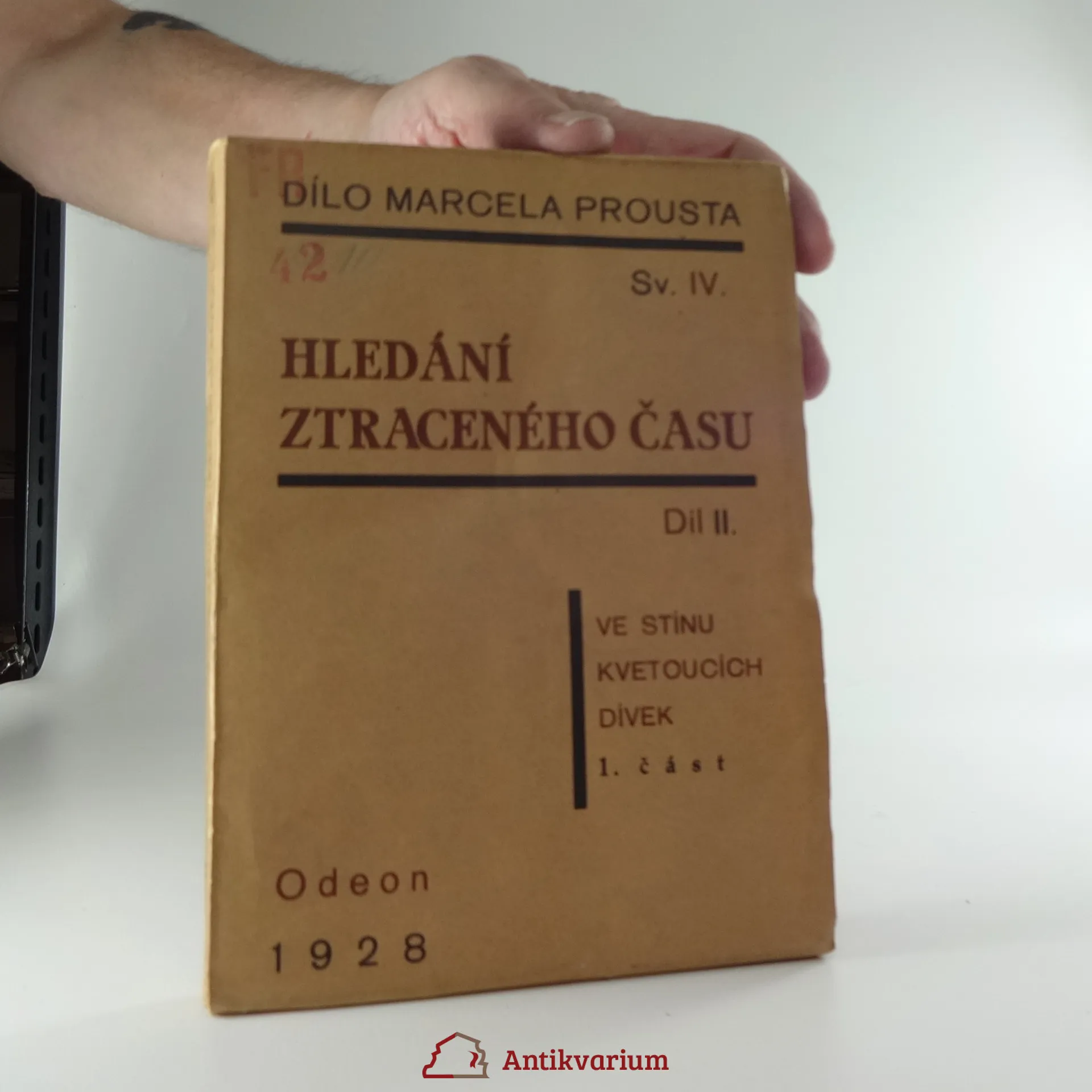
Druhý díl, poctěný r. 1919 Goncourtovou cenou, se odehrává z větší části v normandských mořských lázních. Autor opět uvádí na scénu zámožného Pařížana a další postavy a podává mj. analýzu rozdílu mezi spisovatelem-člověkem a jeho dílem, analýzu lidských a rodinných vztahů, pohled na chováni měšťáka a šlechtice a detailní rozbor rodící se lásky mezi mužem a ženou.
Díly: Svět Swannových (388 stran), Ve stínu kvetoucích dívek (480 stran), Svět Guermantových (600 stran), Sodoma a Gomora (528 stran), Uvězněná (412 stran), Uprchlá (288 stran), Čas znovu nalezený (424 stran)
Sedmidílný román Hledání ztraceného času, považovaný za jedno ze základních děl nejen francouzské, ale i světové literatury, vznikal v letech 1909 až 1922 a byl uveřejňován postupně v letech 1913 až 1927. Proustův román se odehrává v prostředí francouzské vyšší společnosti na přelomu 19. a 20. Lze-li o něm říci, že podává po Balzacově Lidské komedii nejúplnější "obraz mravů" své doby, zároveň platí, že autorovi jde o mnohem víc než o realistické zobrazení společnosti: hlavními tématy jeho díla jsou čas, paměť, umění a poznání. Hlavním "hrdinou" románu tohoto románu-řeka, či spíše románu-katedrála, který čítá 3120 stran a v němž figuruje více než 200 postav, je lidské vědomí.
"Osud Proustova Hledání je současně záviděníhodný i nezáviděníhodný. Záviděníhodný proto, že Proustovi se skutečně podařilo splnit to, co si ve svém velkém románovém cyklu předsevzal: napsat dílo, kterým dosáhne nesmrtelnosti nejen v tom smyslu, že bude za nesmrtelné formálně uznáno (tedy že se stane součástí kánonu), ale především v tom smyslu, že málokterý román vede tak bohatý "posmrtný" život jako právě Hledání ztraceného času. Interpretací a analýz, které mu byly věnovány, je bezpočet. Celá řada filosofů, literárních teoretiků i estetiků se k Proustovi nepřestává vracet a konfrontovat se s ním. Proust je pro mnoho z nich nejen předmětem zájmu, ale skutečné fascinace: těchto sedm svazků čtenáři poskytuje nekonečné množství podnětů jak ke čtenářskému potěšení, tak k přemýšlení, neboť Proust není jen spisovatel, ale i výjimečný filosof, estetik i sociolog. Jeho dílo je natolik komplexní a mnohovrstevnaté, že zůstává - a navždy zůstane - pro čtenáře tajemstvím: můžeme je číst opakovaně, ale nikdy mu nelze být beze zbytku práv a proniknout do jeho vnitřní architektoniky natolik, abychom mohli říci, že nám nic nového už nemůže dát." Josef Fulka (z Doslovu k českému vydání).
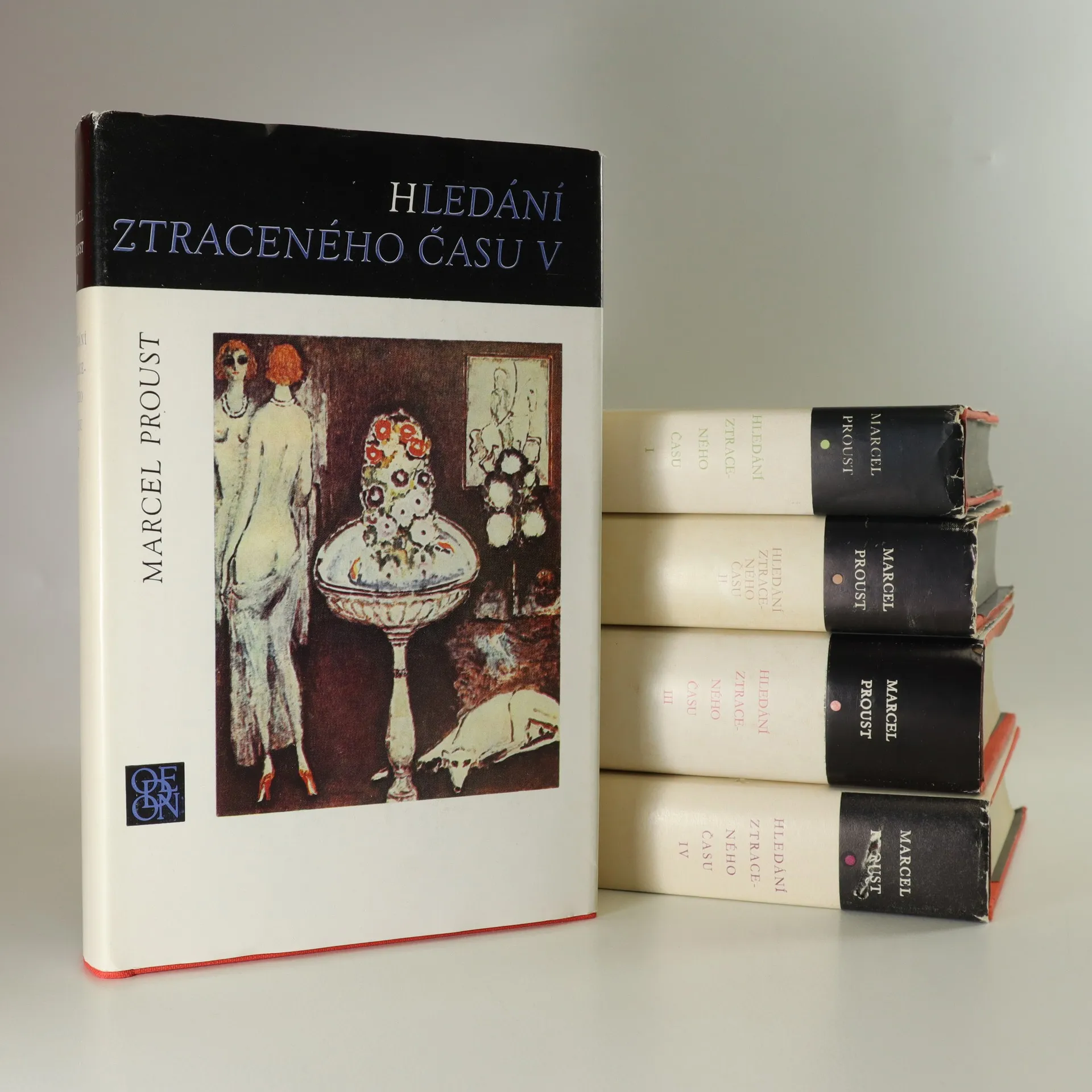
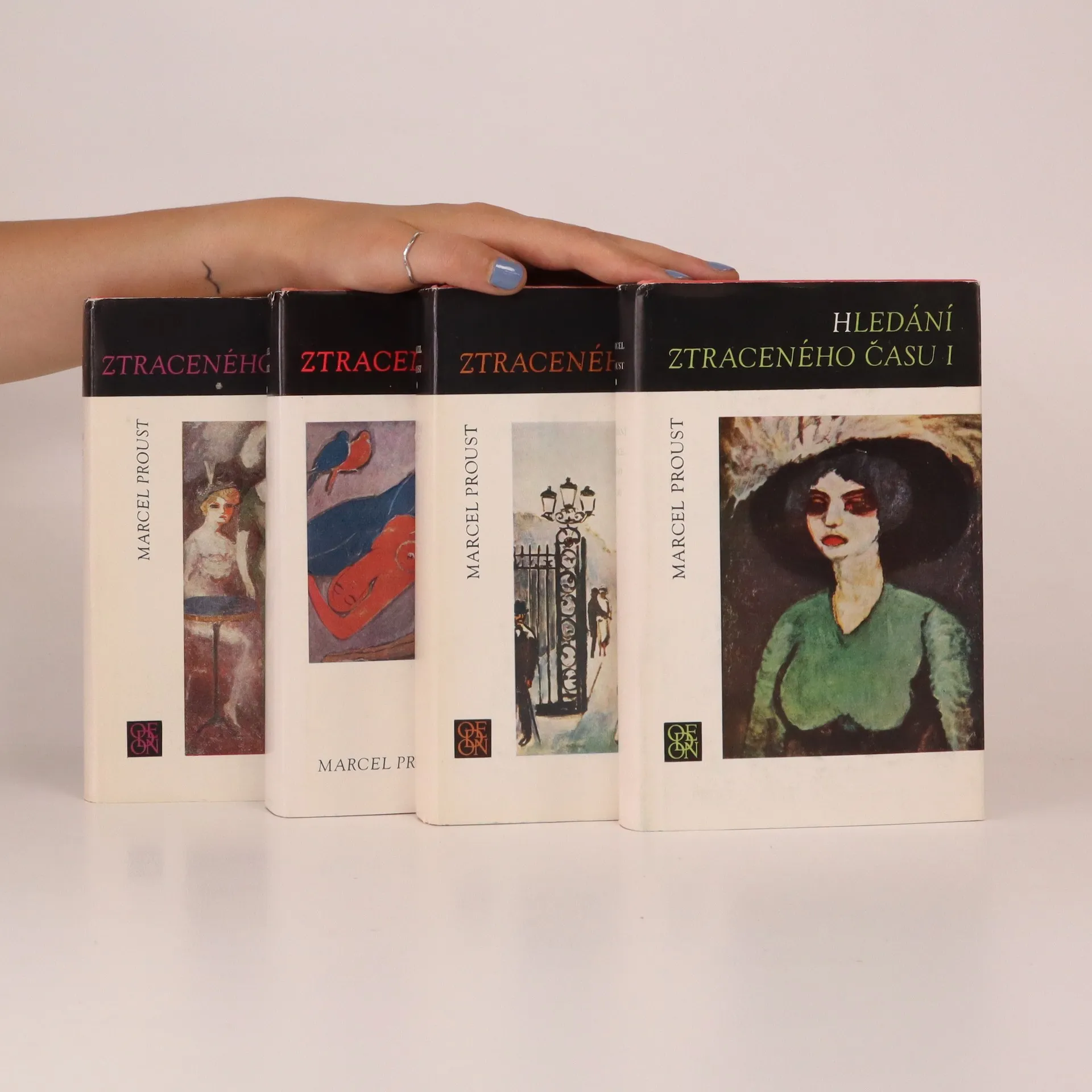
Autory překladu, jenž původně vycházel postupně v letech 1979 až 1988 a z něhož vychází i vydání současné, jsou Prokop Voskovec (díly I a II) a Jiří Pechar (díly III až VII). Jestliže Pecharův překlad v našem vydání nedoznal žádných změn, překlad Voskovcův (zejména díl Ve stínu kvetoucích dívek), jemuž úmrtí nedovolilo dílo dokončit, si vyžádal nezbytnou revizi. Nové vydání je doplněno o rozsáhlý doslov, jehož autorem je Josef Fulka, jeden z našich největších znalců Proustova díla.
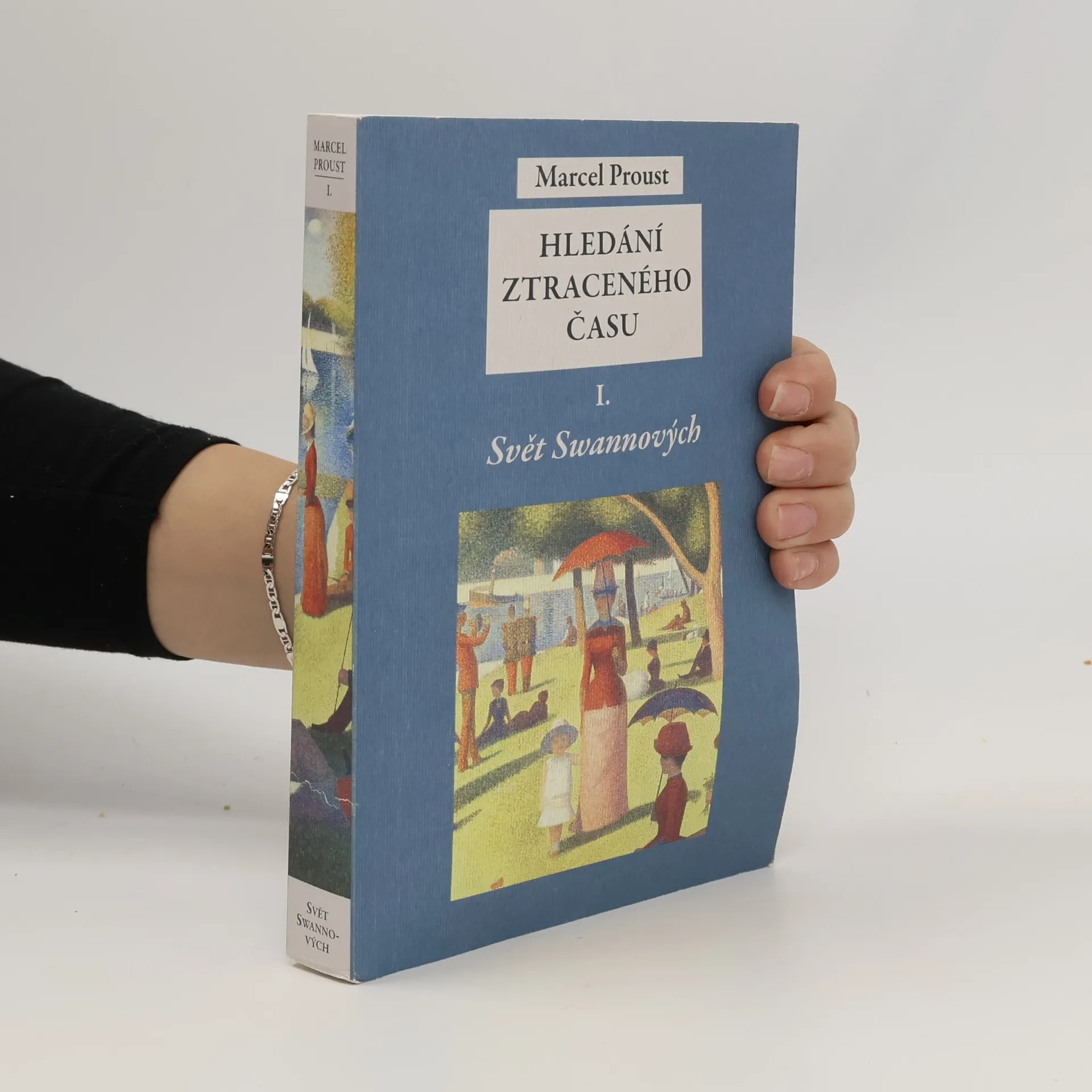
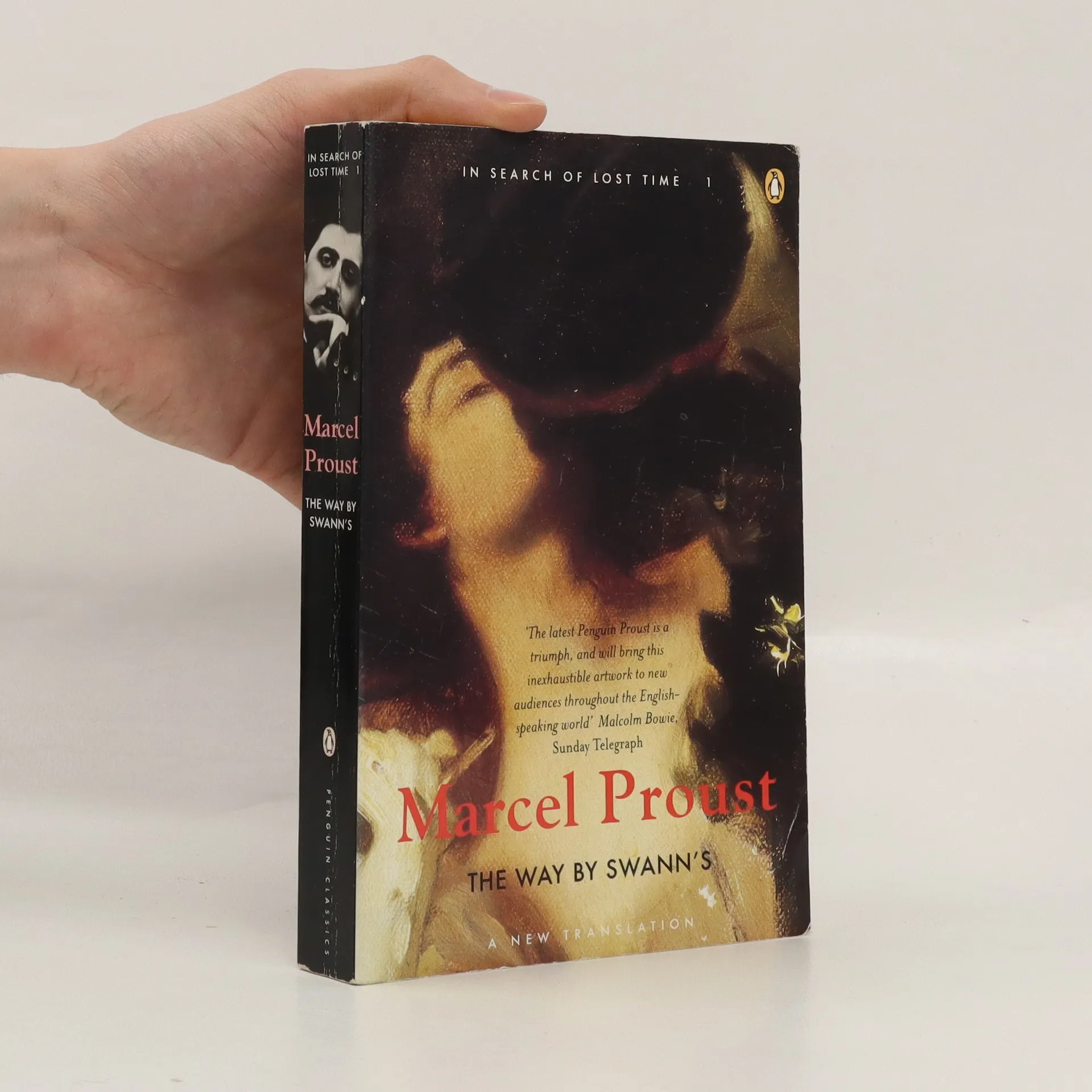
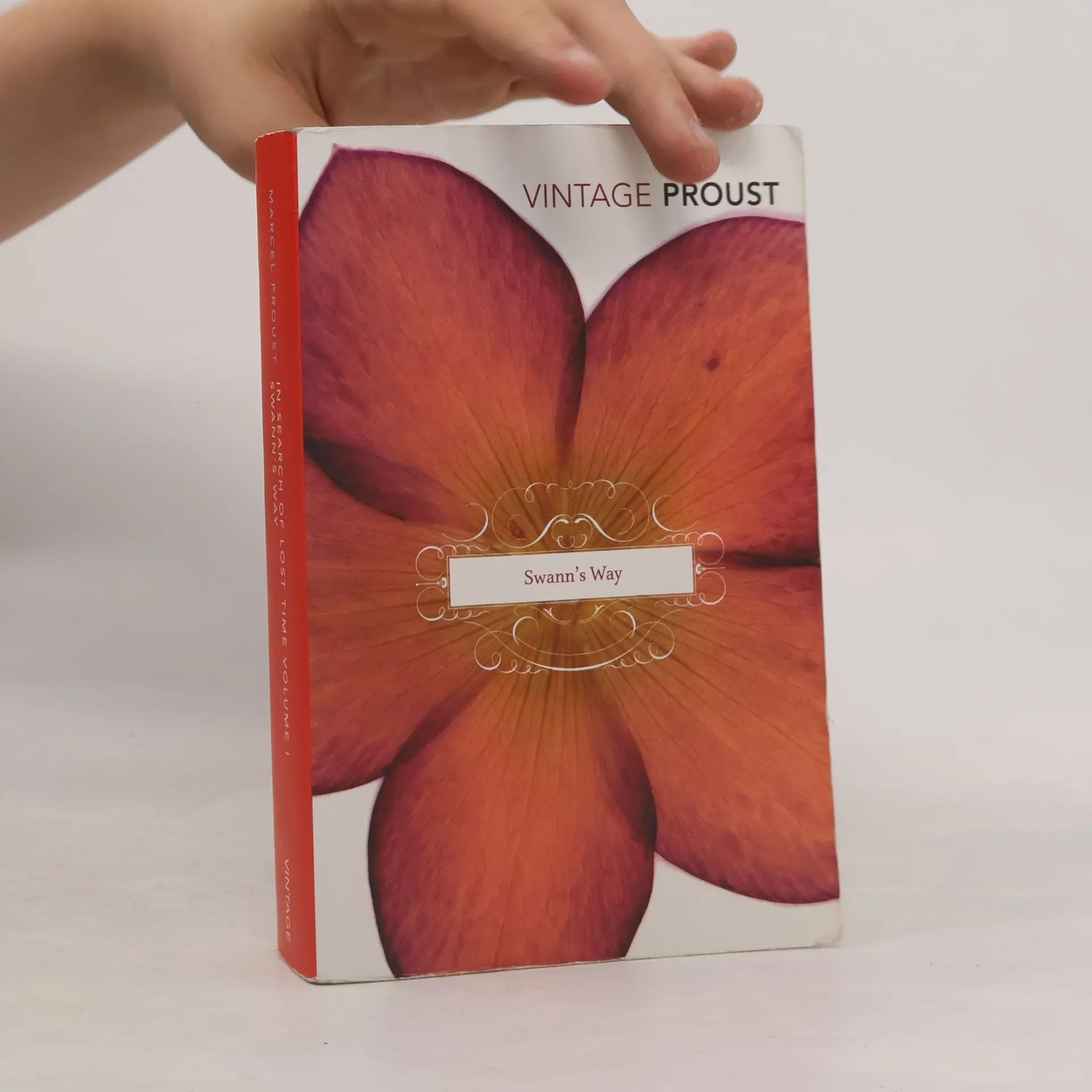
V prvním dílu románového cyklu, postihujícího vývoj francouzské společnosti od Dreyfusovy aféry až po první světovou válku a stojícího u základů psychologického románu 20. století, představuje autor hrdinu, zámožného Pařížana, člověka ušlechtilého, ale zároveň neúprosně logického a pravdivého. Na jeho příběhu podává studii milostného citu, žárlivosti, společenských vztahů a mravů.
Nové kompletní vydání stěžejního díla světové literatury.
Sedmidílný román Hledání ztraceného času, považovaný za jedno ze základních děl nejen francouzské, ale i světové literatury, vznikal v letech 1909 až 1922 a byl uveřejňován postupně v letech 1913 až 1927. Proustův román se odehrává v prostředí francouzské vyšší společnosti na přelomu 19. a 20. století. Lze-li o něm říci, že podává po Balzacově Lidské komedii nejúplnější „obraz mravů“ své doby, zároveň platí, že autorovi jde o mnohem víc než o realistické zobrazení společnosti: hlavními tématy jeho díla jsou čas, paměť, umění a poznání. Hlavním "hrdinou" tohoto románu-řeka, či spíše románu-katedrála, který čítá 3120 stran a v němž figuruje více než 200 postav, je lidské vědomí.
Vydání je doplněno o rozsáhlý doslov, jehož autorem je Josef Fulka, jeden z našich největších znalců Proustova díla.
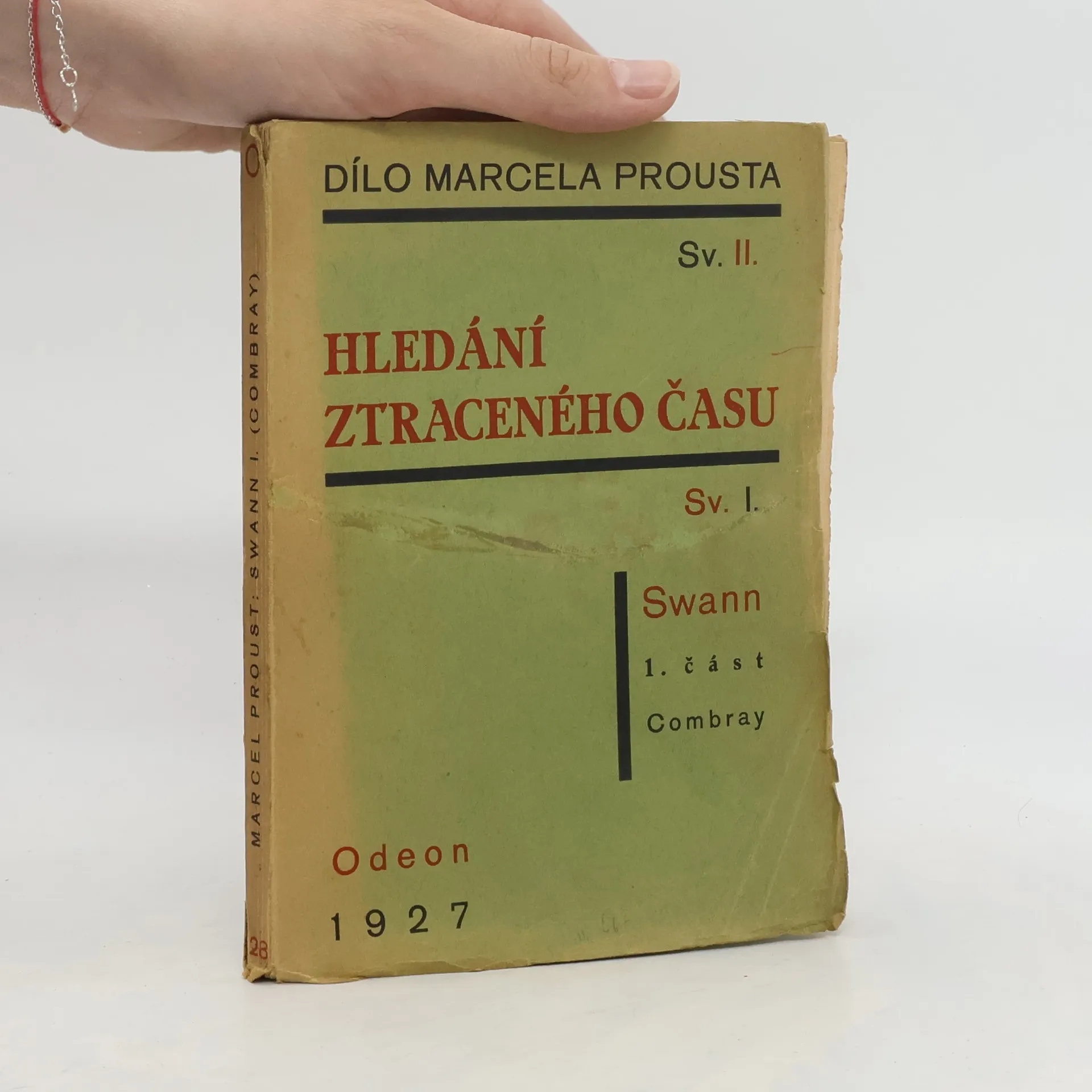
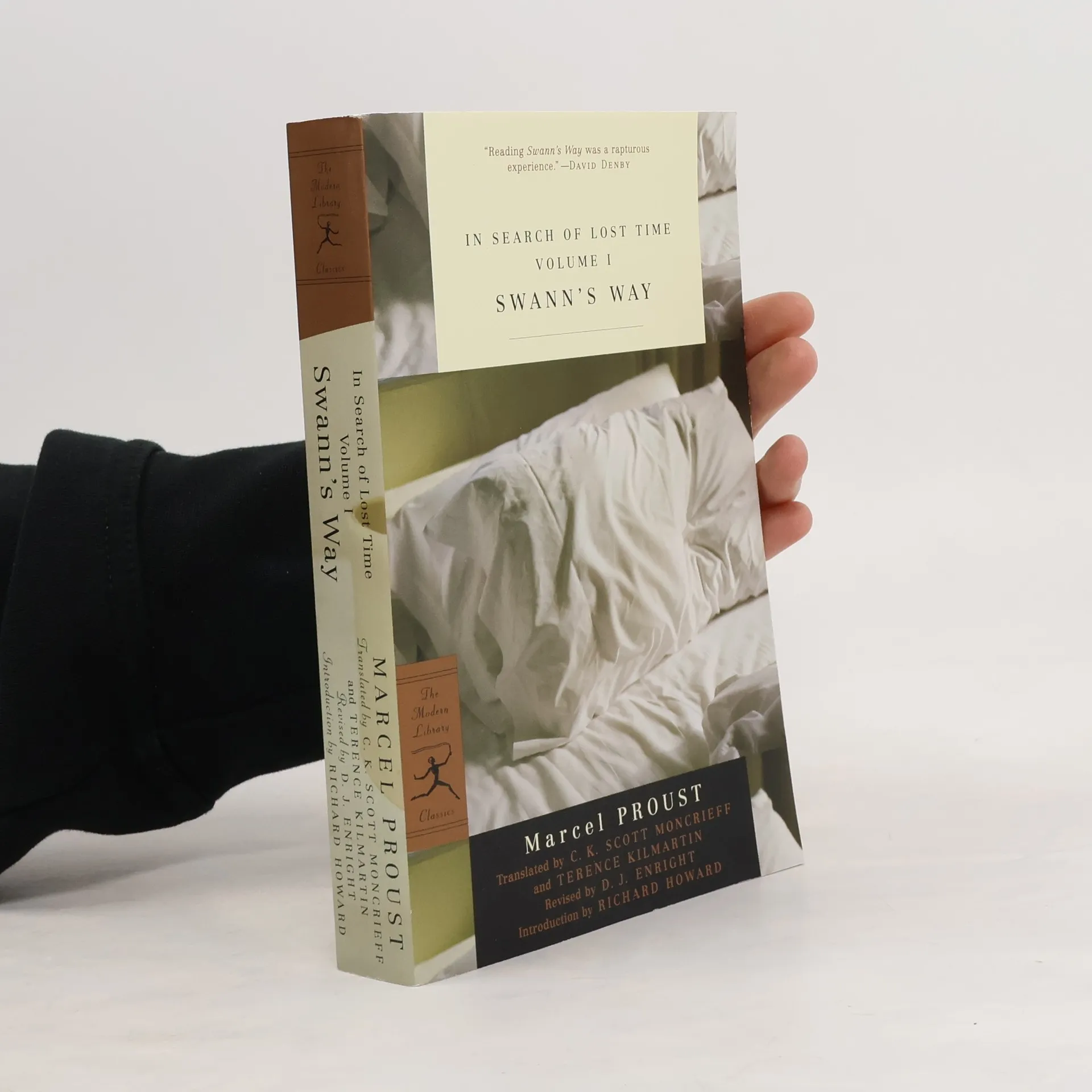
První část knihy s názvem Combray zachycuje vzpomínky a reflexe dětství ve stejnojmenném venkovském městečku a představuje postavy, významné pro další děj: zejména obchodníka a milovníka umění Charlese Swanna a jeho manželku Odettu, bývalou kurtizánu. Druhý oddíl, Swannova láska, zachycuje příběh jejich seznámení a vztahu a často bývá vydáván jako samostatné dílo. Stručná závěrečná část je pak především vypravěčovou úvahou nad subjektivitou míst a vzpomínek.
Soubor šestnácti esejů, který byl mnoho let po autorově smrti rekonstruován z jeho pozůstalosti, není dílem okrajovým, ale zaujímá v Proustově tvorbě mimořádné postavení. Eseje, které psal v letech 1908–10, měly být původně literárněkritickou knihou, doplnil je však o studie vzpomínkové, psychologické. Právě z nich se vyvinul typický proustovský styl, v němž se prolínají prvky vypravěčské, lyrické i esejistické. V Esejích jsou rovněž načrtnuty postavy a témata, která našla svůj konečný tvar v Hledání ztraceného času, a jsou tak přípravnou knihou k tomuto Proustovu stěžejnímu dílu.
Baudelairovy verše přeložil Ivan Slavík. Druhé, opravené vydání. Na obálce „Lekníny“ Clauda Moneta.
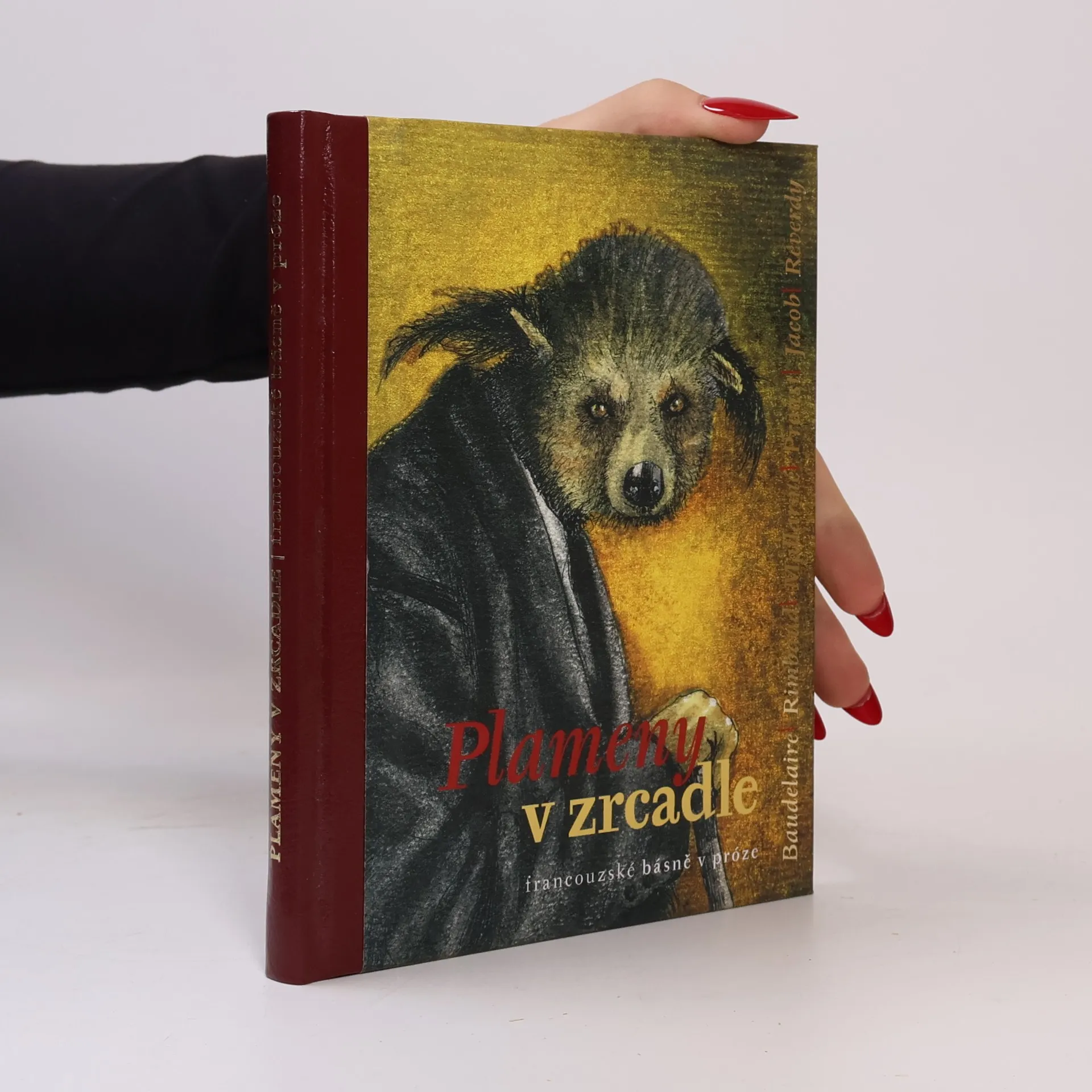
Žánr básní v próze, pohybující se v krajně kultivované podobě na pomezí poezie, esejů, maxim i starých rytin, se u nás příliš nepěstoval. Pro připomínku mohou padnout jména Víta Obrtela nebo Jana Vladislava a před nimi – jak jinak – Jaroslava Vrchlického. Jejich domovem je Francie. Antologie Plameny v zrcadle sleduje jejich proměny od Baudelaira přes Rimbauda, Mallarméa a Prousta až k Jacobovi a Reverdymu. Mají být „klenotem“ a „líbezným šerosvitem života“, zároveň však dovedou s radioaktivní intenzitou vyjadřovat vnitřní či vnější životní zážitek či zachytit výmluvný střípek krvavě vážné životní epizody. V literatuře reprezentují v čiré podobě řád a tvar.
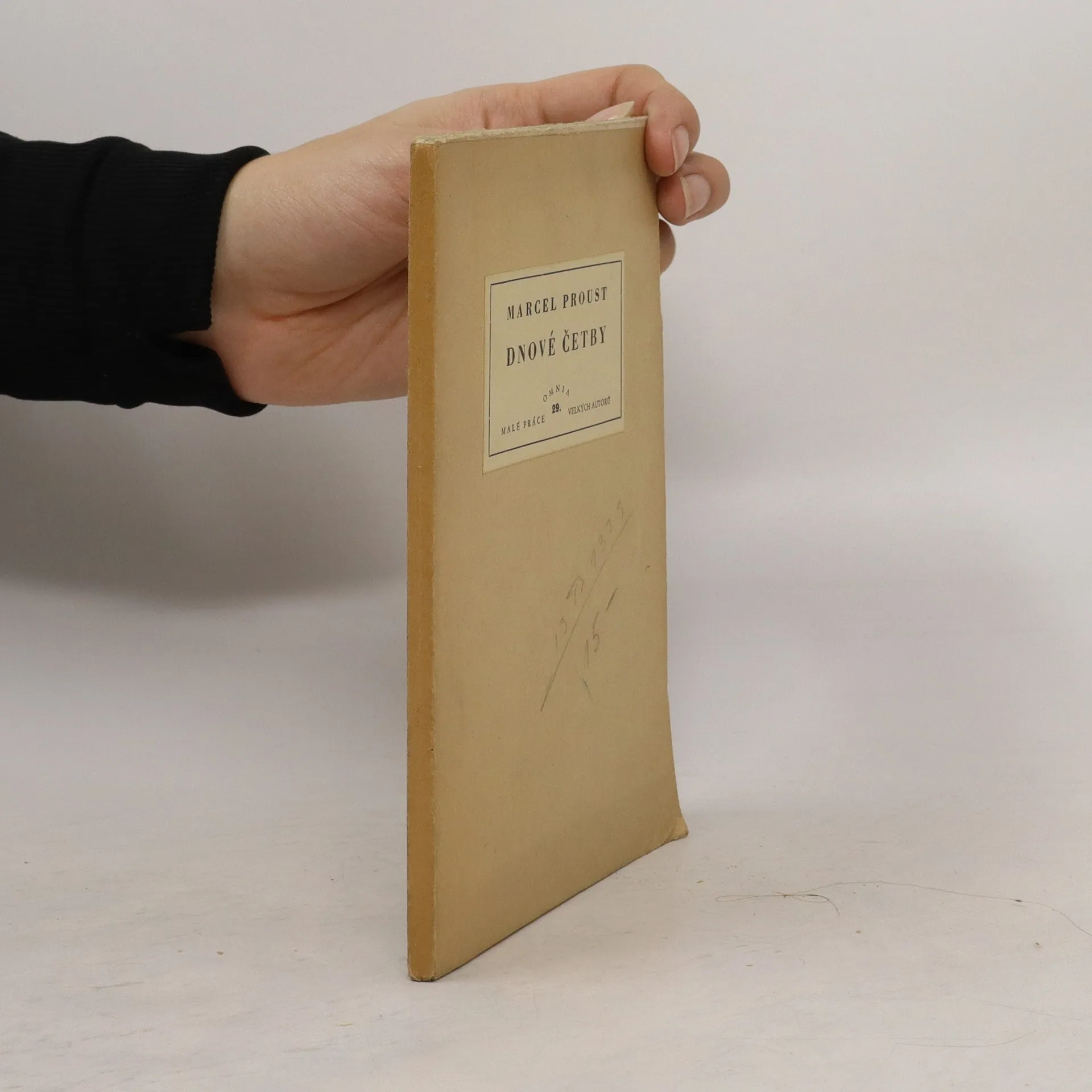
Lyrické eseje o autorových zážitcích, které mu poskytuje četba inspirativních knih. Dnové četby jsou Proustovou předmluvou k jeho vlastnímu překladu dvou významných přednášek anglického myslitele, estetika, kritika a esejisty Johna Ruskina (1819–1900), vydaných pod názvem Sézam a lilie (Sésame et les Lys) v roce 1906 v nakladatelství Mercure de France.
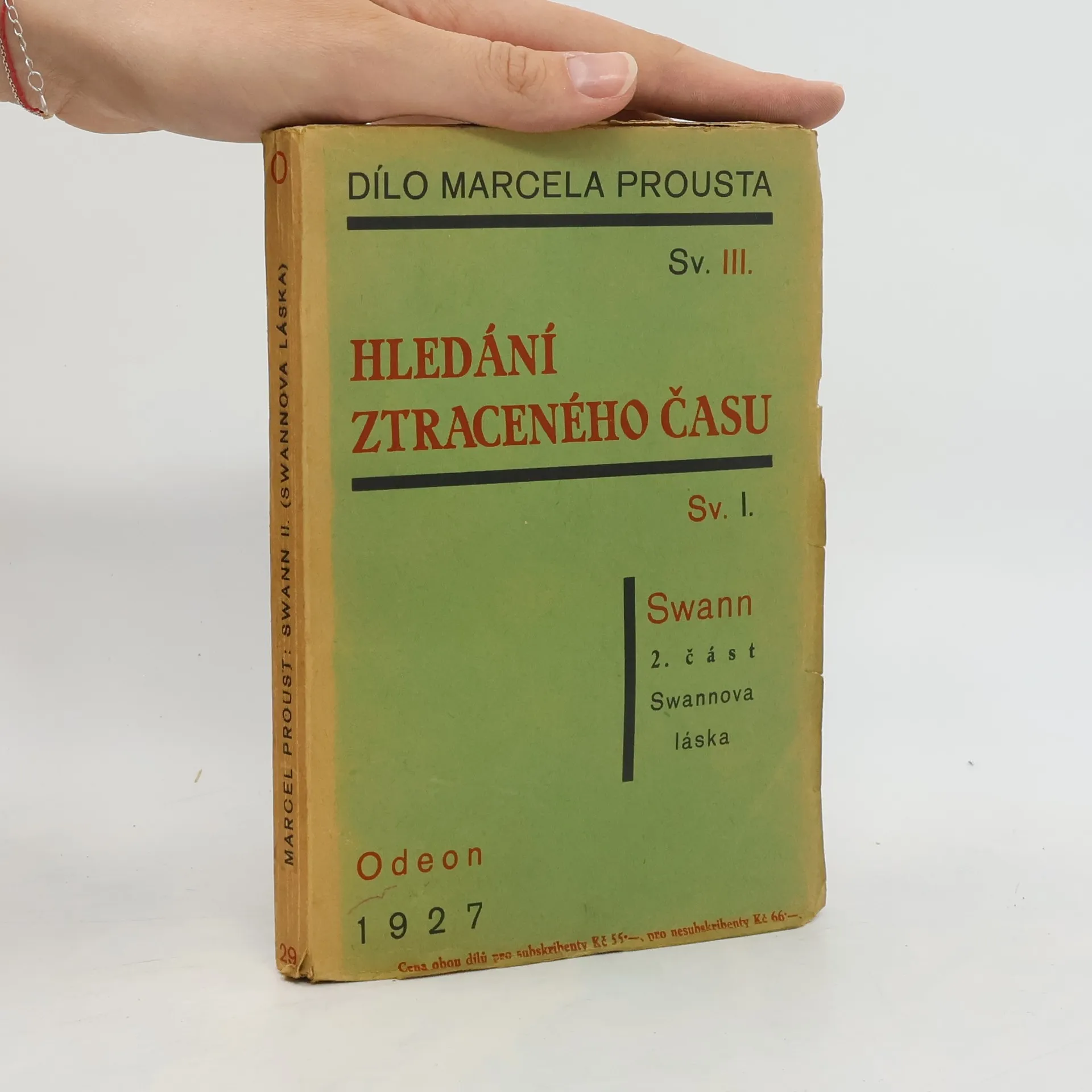
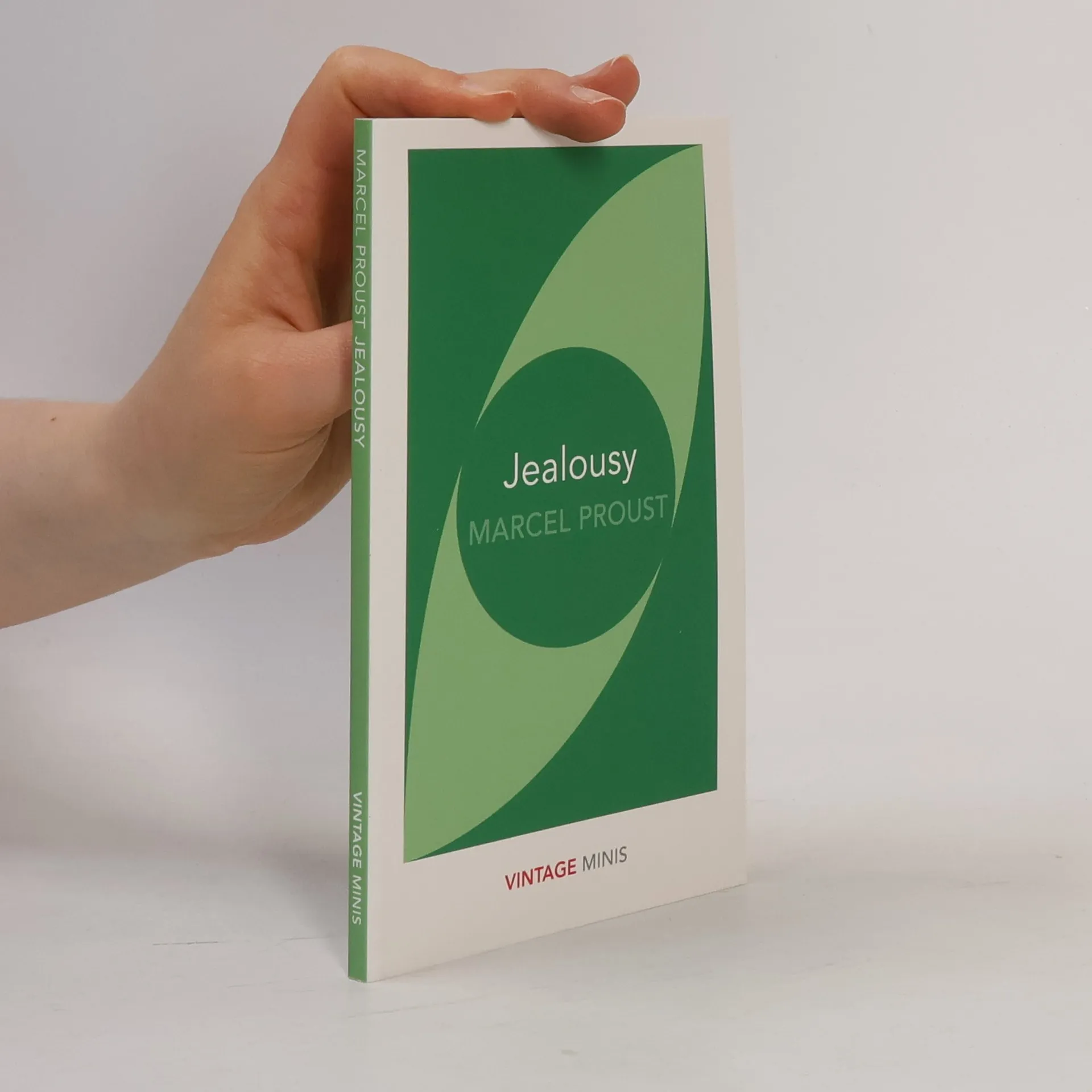
Příběh Swannova láska tvoří samostatný oddíl zasazený do Proustova proslulého rozsáhlého díla Hledání ztraceného času, konkrétně prvního dílu Svět Swannových. Děj je zasazen do Paříže na konci 19. století a zachycuje společenský i vnitřní život Charlese Swanna a jeho setkání s Odette - ženou z polosvěta - i jeho lásku k ní. Na pozadí dokonale vykresleného životního stylu francouzské měšťácké smetánky i bohémy se odehrává příběh velké lásky, jež se postupně proměňuje v žárlivou posedlost.
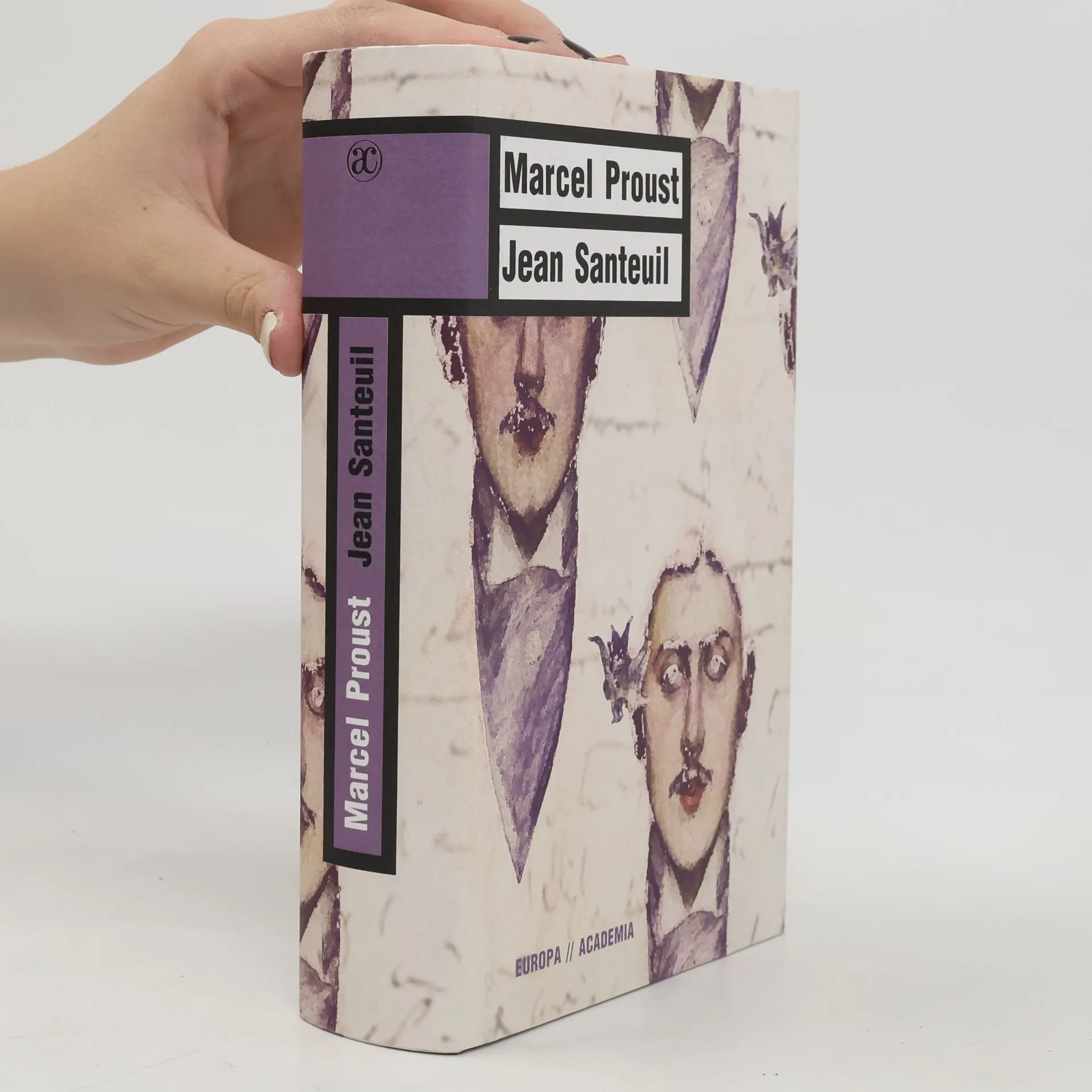
Autor Marcel Proust známý především jako autor rozsáhlého cyklu Hledání ztraceného času, psal román s přestávkami mezi lety 1895 a 1901. Rukopis byl objeven až několik desítek let po autorově smrti a uspořádán a vydán poprvé v letech 1952. Mladý Proust toto dílo opustil, aniž by je dokončil, a některé části později použil jako základ určitých pasáží svého několikasvazkového arcidíla. Kniha je tedy nejenom skvělým líčením zrání mladého hrdiny s autobiografickými rysy, ale poskytuje i zajímavý pohled na literární zrání autorovo.

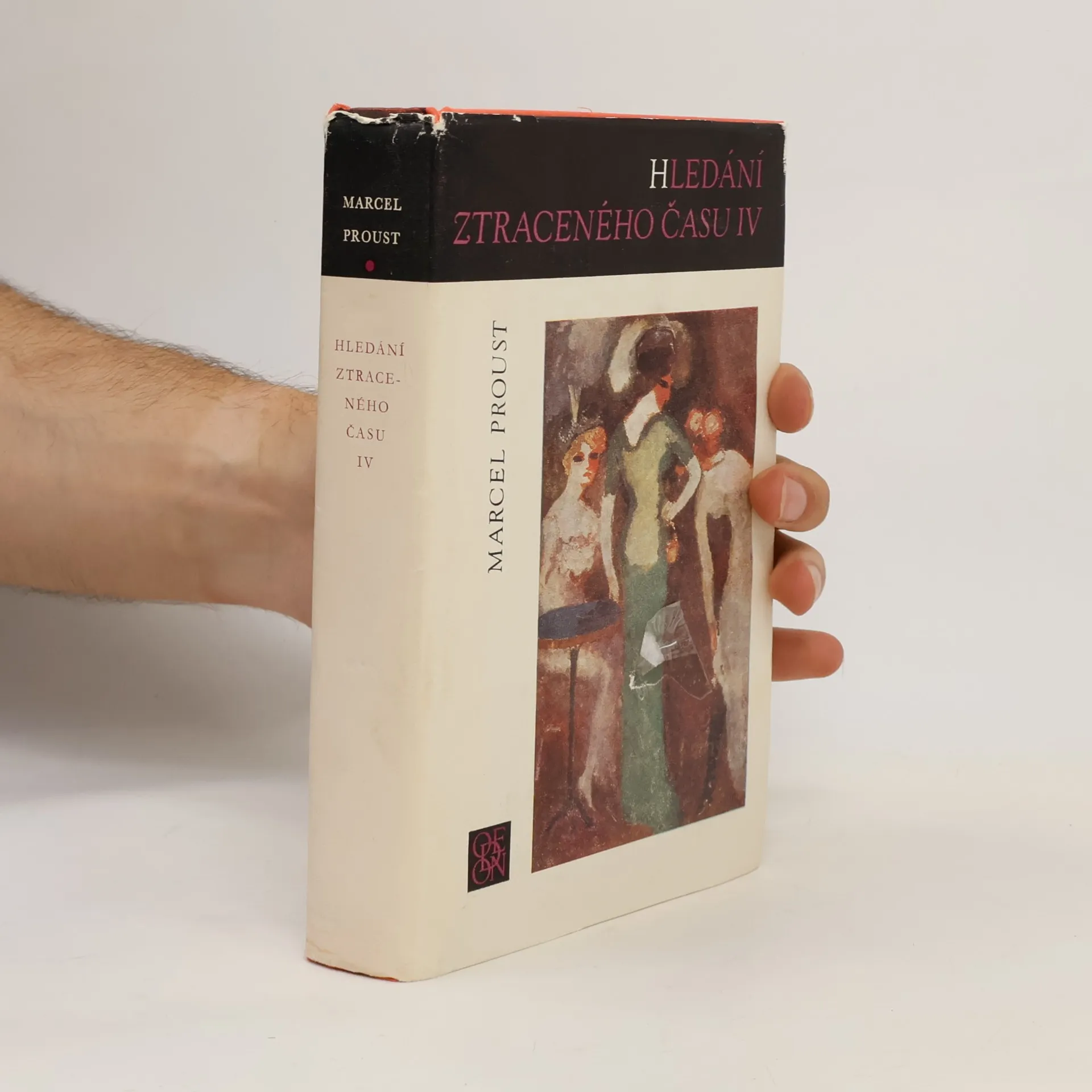
Samostatná část románového cyklu Hledání ztraceného času, označená jako IV. Hlavní hrdina baron Charlus v přímořském městečku Balbec prožívá lásku ke krásné Albertině, líčí rozporuplný život šlechtice té doby a hledá naplnění svého života.
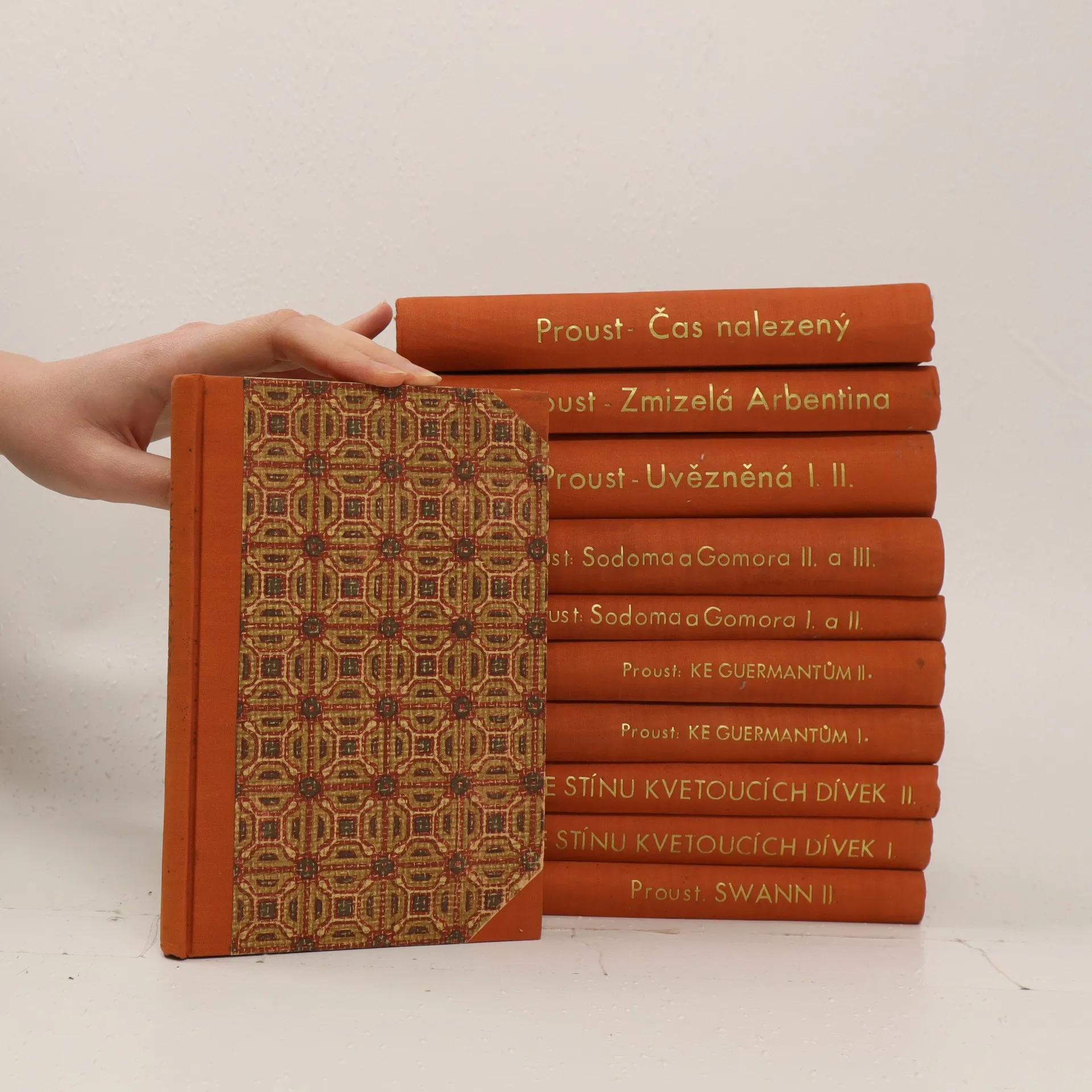
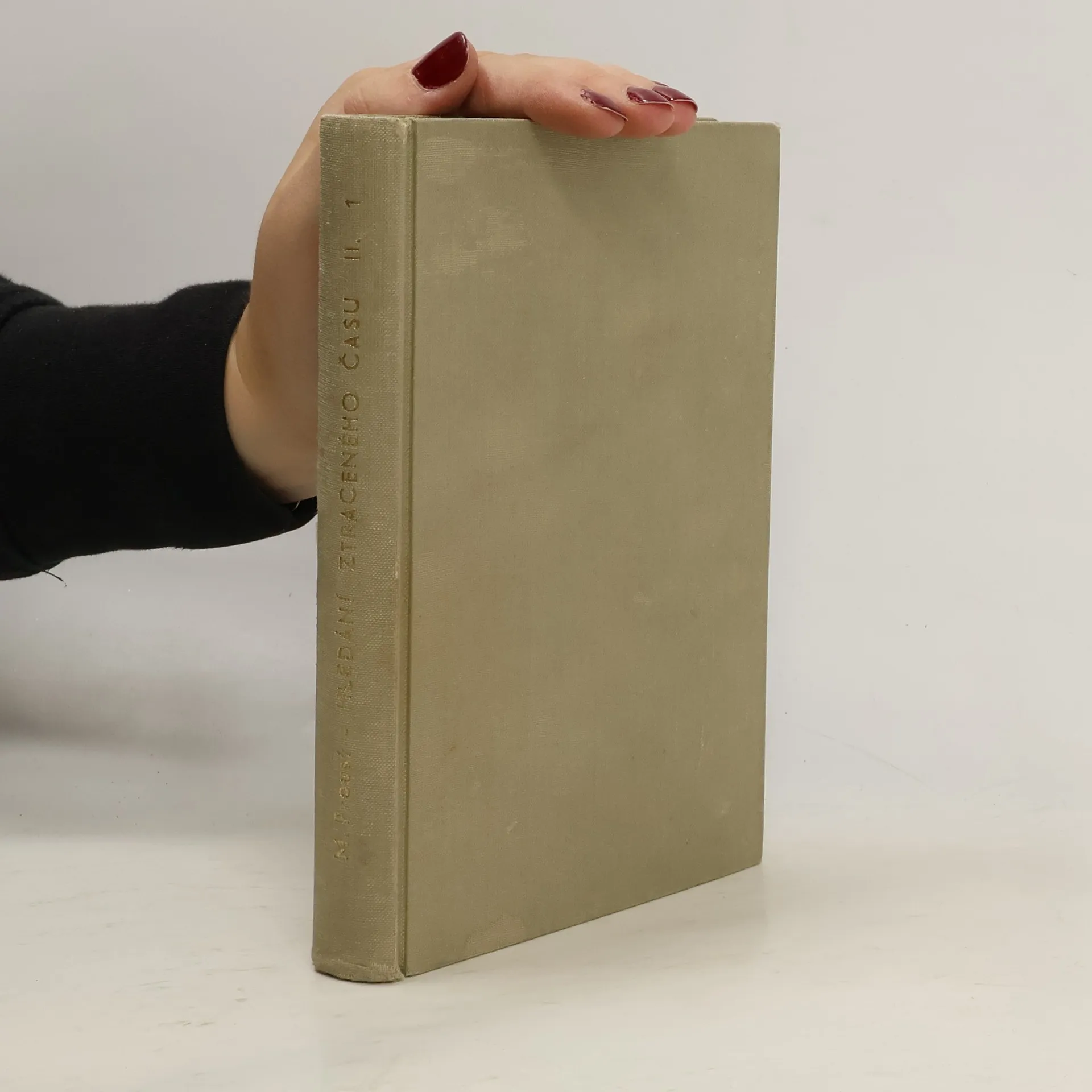
Šestý, v tomto případě poslední svazek monumentální románové skladby zahrnuje dvě části cyklu: Uprchlá a Čas znovu nalezený. V první části vypravěč analyzuje pozvolný proces odpoutávání se od vzpomínek na milovanou dívku, která bezprostředně po svém útěku od něho umírá, druhá část má těžiště v úvahách o smyslu umělecké tvorby. Čtenář se tak setkává v definitivní podobě i s výkladem Proustovy poetiky. Současně je tato druhá část knihy i zajímavým obrazem 1. svět. války, jak se jeví v pohledu ze zázemí, a doby bezprostředně po válce, která znamená především rychlý rozklad soudobé aristokratické společnosti.
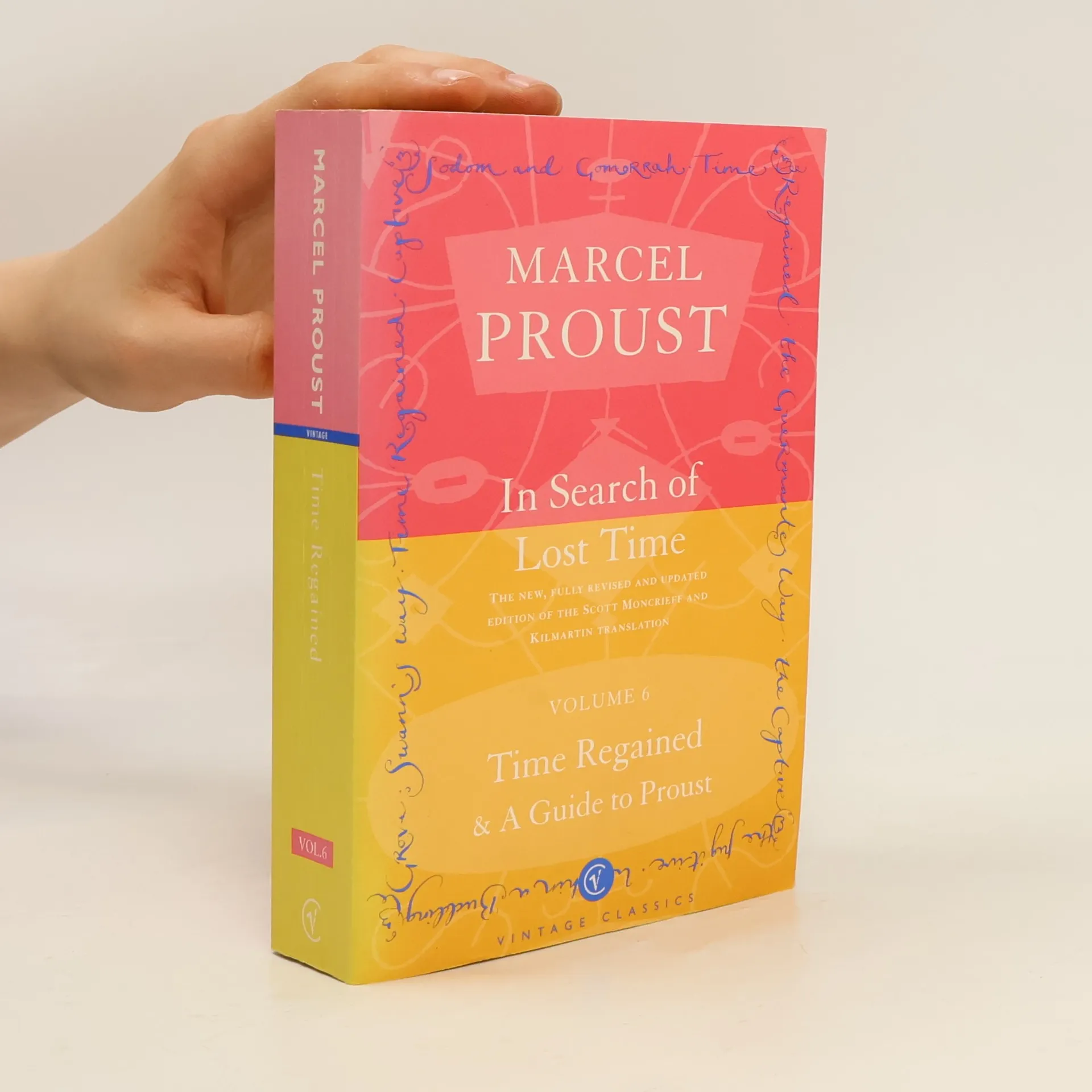
THE ACCLAIMED FULLY REVISED EDITION OF THE SCOTT MONCRIEFF AND KILMARTIN
TRANSLATIONTime Regained begins in the bleak and uncertain years of World War
I. Years later, after the war's end, Proust's narrator returns to Paris and
reflects on time, reality, jealousy, artistic creation, and the raw material
of literature - his past life.
Marcel Proust (1871-1922) spent the last fourteen years of his life writing "la recherche du temps perdu." Moncrieff's translation strives to capture the extraordinary blend of muscular analysis with poetic reverie that typifies Proust's style.
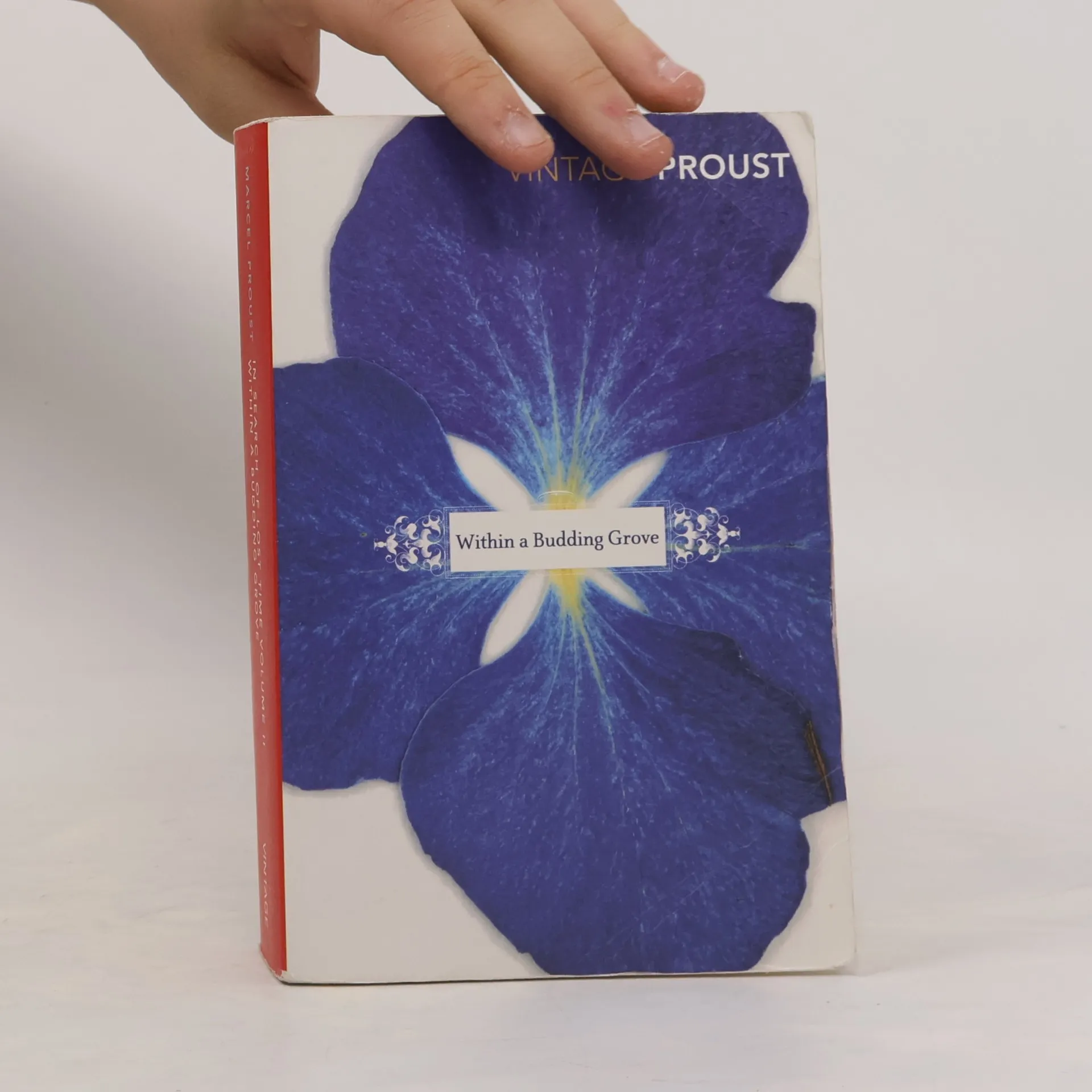
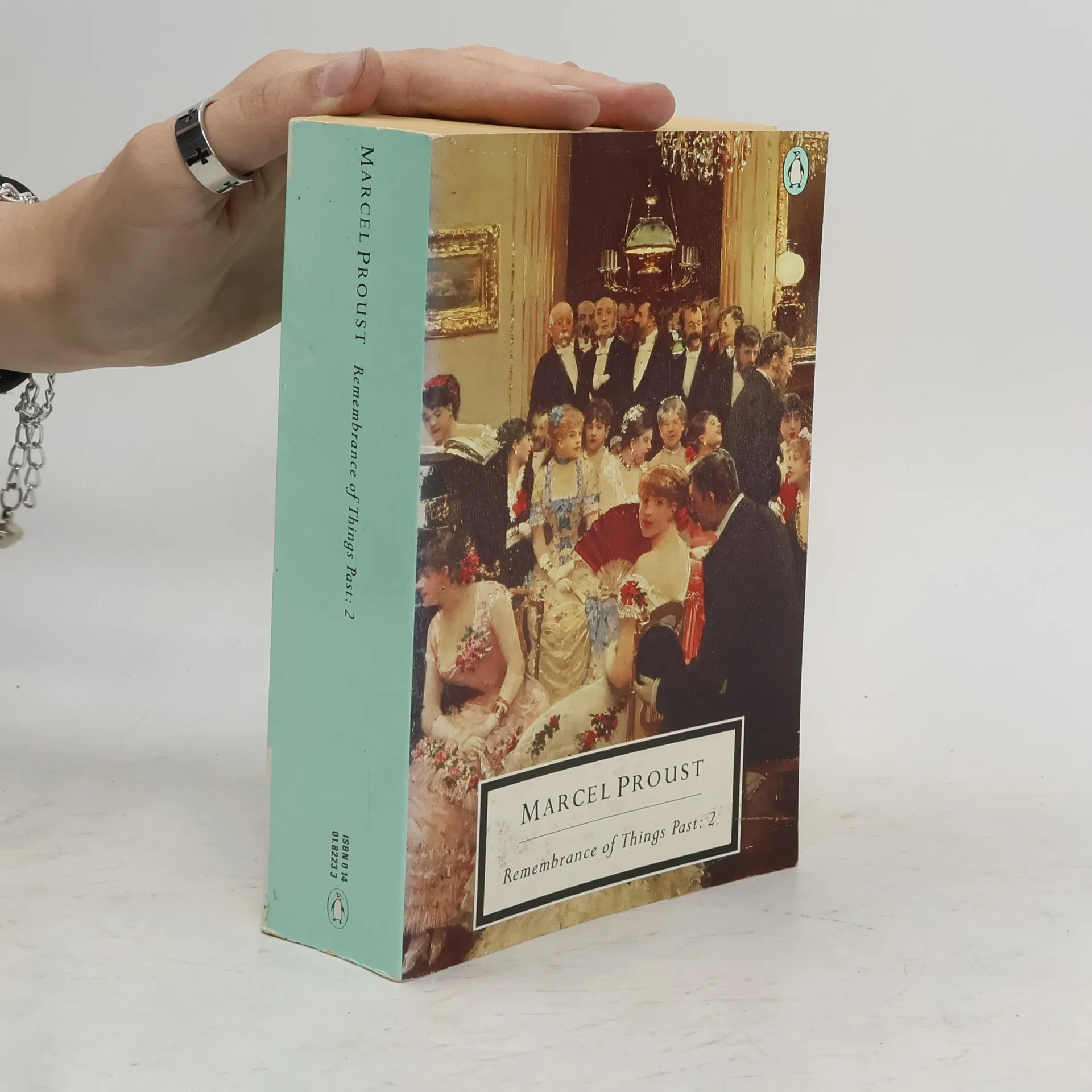
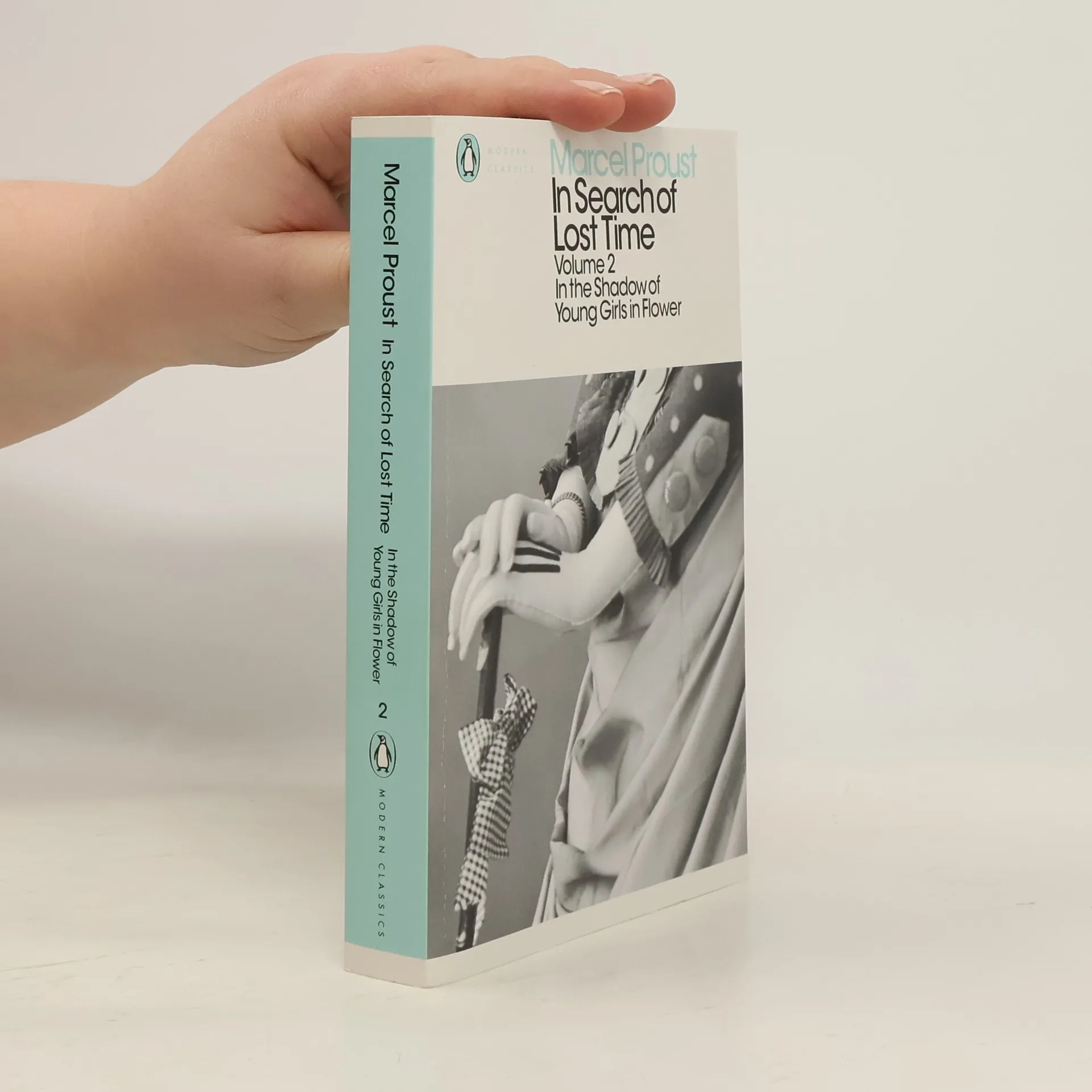
First published in 1919, Within a Budding Grove was awarded the Prix Goncourt, bringing the author immediate fame. In this second volume of In Search of Lost Time, the narrator turns from the childhood reminiscences of Swann’s Way to memories of his adolescence. Having gradually become indifferent to Swann’s daughter Gilberte, the narrator visits the seaside resort of Balbec with his grandmother and meets a new object of attention—Albertine, “a girl with brilliant, laughing eyes and plump, matt cheeks.”For this authoritative English-language edition, D. J. Enright has revised the late Terence Kilmartin’s acclaimed reworking of C. K. Scott Moncrieff’s translation to take into account the new definitive French editions of Á la recherché du temps perdu (the final volume of these new editions was published by the Bibliothèque de la Pléiade in 1989).
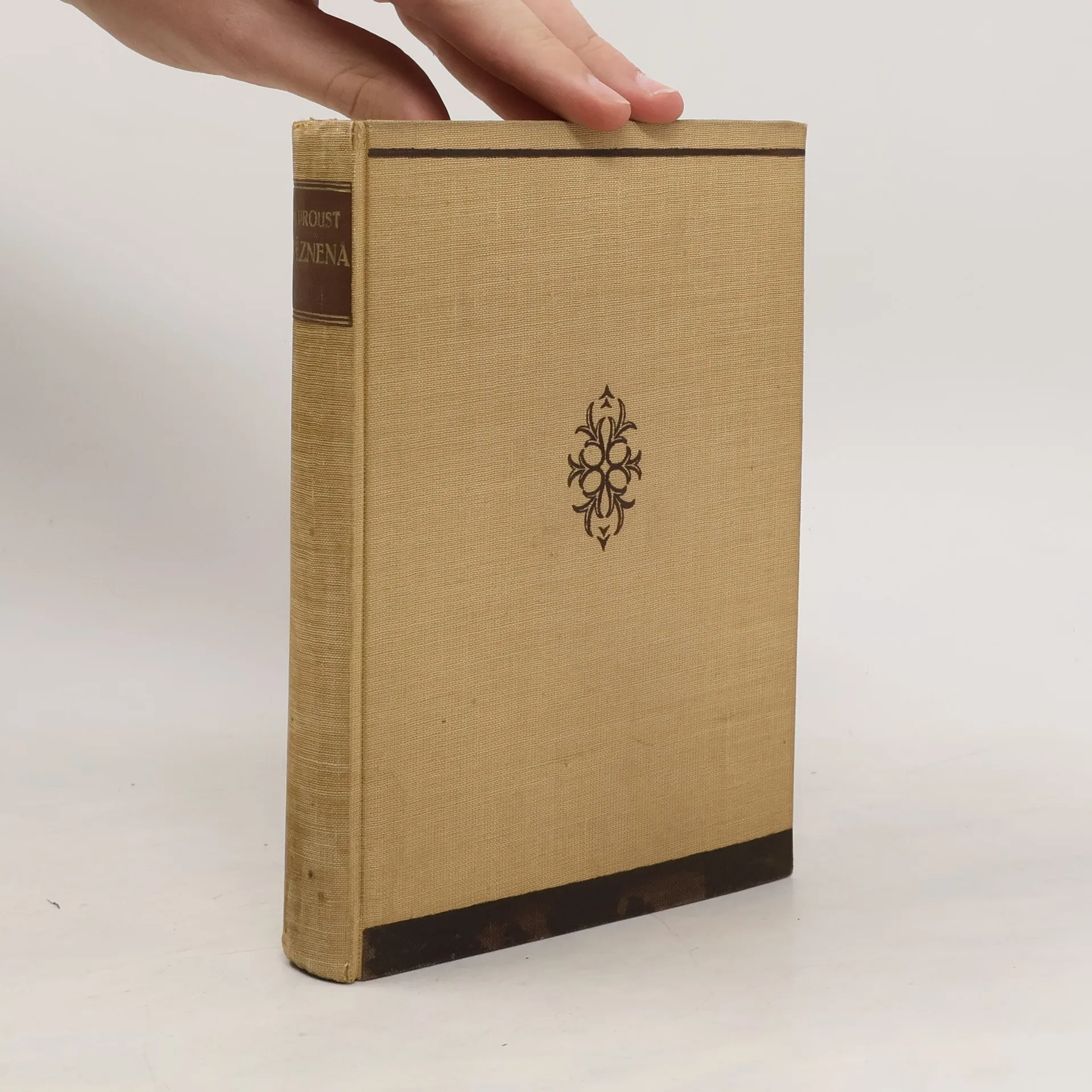
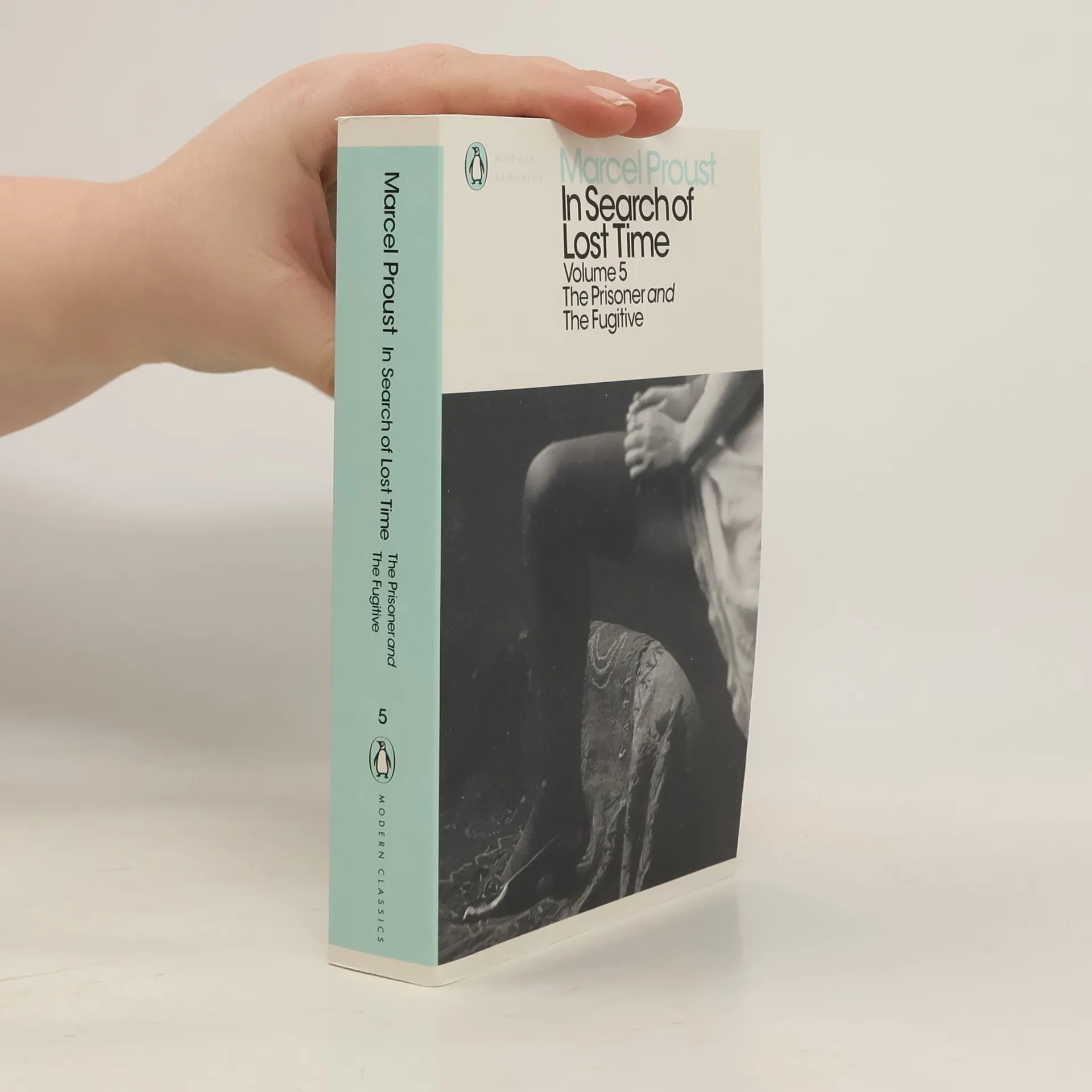
The Modern Library’s fifth volume of In Search of Lost Time contains both The Captive (1923) and The Fugitive (1925). In The Captive, Proust’s narrator describes living in his mother’s Paris apartment with his lover, Albertine, and subsequently falling out of love with her. In The Fugitive, the narrator loses Albertine forever. Rich with irony, The Captive and The Fugitive inspire meditations on desire, sexual love, music, and the art of introspection. For this authoritative English-language edition, D. J. Enright has revised the late Terence Kilmartin’s acclaimed reworking of C. K. Scott Moncrieff’s translation to take into account the new definitive French editions of Á la recherché du temps perdu (the final volume of these new editions was published by the Bibliothèque de la Pléiade in 1989).
THE ACCLAIMED FULLY REVISED EDITION OF THE SCOTT MONCRIEFF AND KILMARTIN
TRANSLATIONIn the two novels - The Captive and The Fugitive - contained in
this volume, Proust's narrator is living in his mother's apartment in Paris
with his lover, Albertine.
Marcel Proust whiled away the first half of his life as a self-conscious aesthete and social climber. The second half he spent in the creation of the mighty roman-fleuve that is Remembrance of Things Past, memorializing his own dandyism and parvenu hijinks even as he revealed their essential hollowness. Proust begins, of course, at the beginning--with the earliest childhood perceptions and sorrows. Then, over several thousand pages, he retraces the course of his own adolescence and adulthood, democratically dividing his experiences among the narrator and a sprawling cast of characters. Who else has ever decanted life into such ornate, knowing, wrought-iron sentences? Who has subjected love to such merciless microscopy, discriminating between the tiniest variations of desire and self-delusion? Who else has produced a grief-stricken record of time's erosion that can also make you laugh for entire pages? The answer to all these questions is: nobody.
This Wiseblood Books edition of Death Comes for the Cathedrals includes an introduction by its translator, Dr. John Pepino, an afterword by Dr. Peter Kwasniewski, and beautiful color images of Chartres Cathedral.
Scott Moncrieff's translation to take into account the new definitive French
editions of A la recherche du temps perdu (the final volume of these new
editions was published by the Bibliotheque de la Pleiade in 1989). schovat
popis
Marcel continues his voyage of discovery through the homosexual world, where
affairs of the ageing Baron de Charlus lead to unexpected and hilarious
adventures. schovat popis
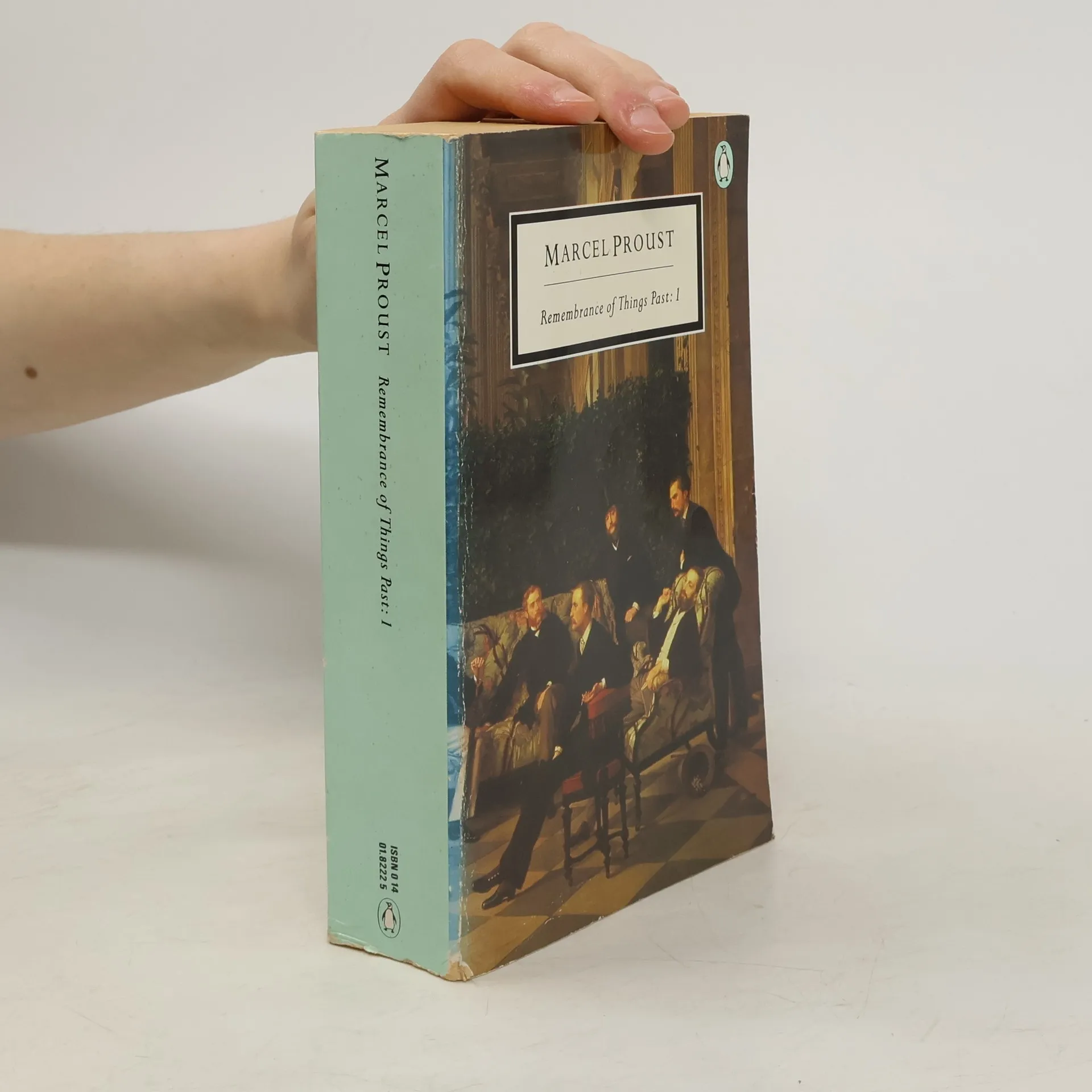
In the opening volume of Proust's great novel, the narrator travels backwards
in time in order to tell the story of a love affair that had taken place
before his own birth. All Proust's great themes - time and memory, love and
loss, art and the artistic vocation - are here in kernel form. schovat popis
Describes the class tensions of a changing France at the beginning of the
twentieth century and exposes the decadence of aristocratic Parisian society
and muses upon the subjects of homosexuality and sexual jealousy.
This edition presents two interconnected narratives, "The Captive" and "The Fugitive," exploring themes of love, obsession, and the complexities of human relationships. Proust delves into the psychological intricacies of his characters, particularly focusing on the protagonist's turbulent emotions and the impact of desire and possession. As part of the broader tapestry of "In Search of Lost Time," these volumes continue to unravel the intricate dynamics of memory and identity within the context of early 20th-century French society.
THE ACCLAIMED FULLY REVISED EDITION OF THE SCOTT MONCRIEFF AND KILMARTIN
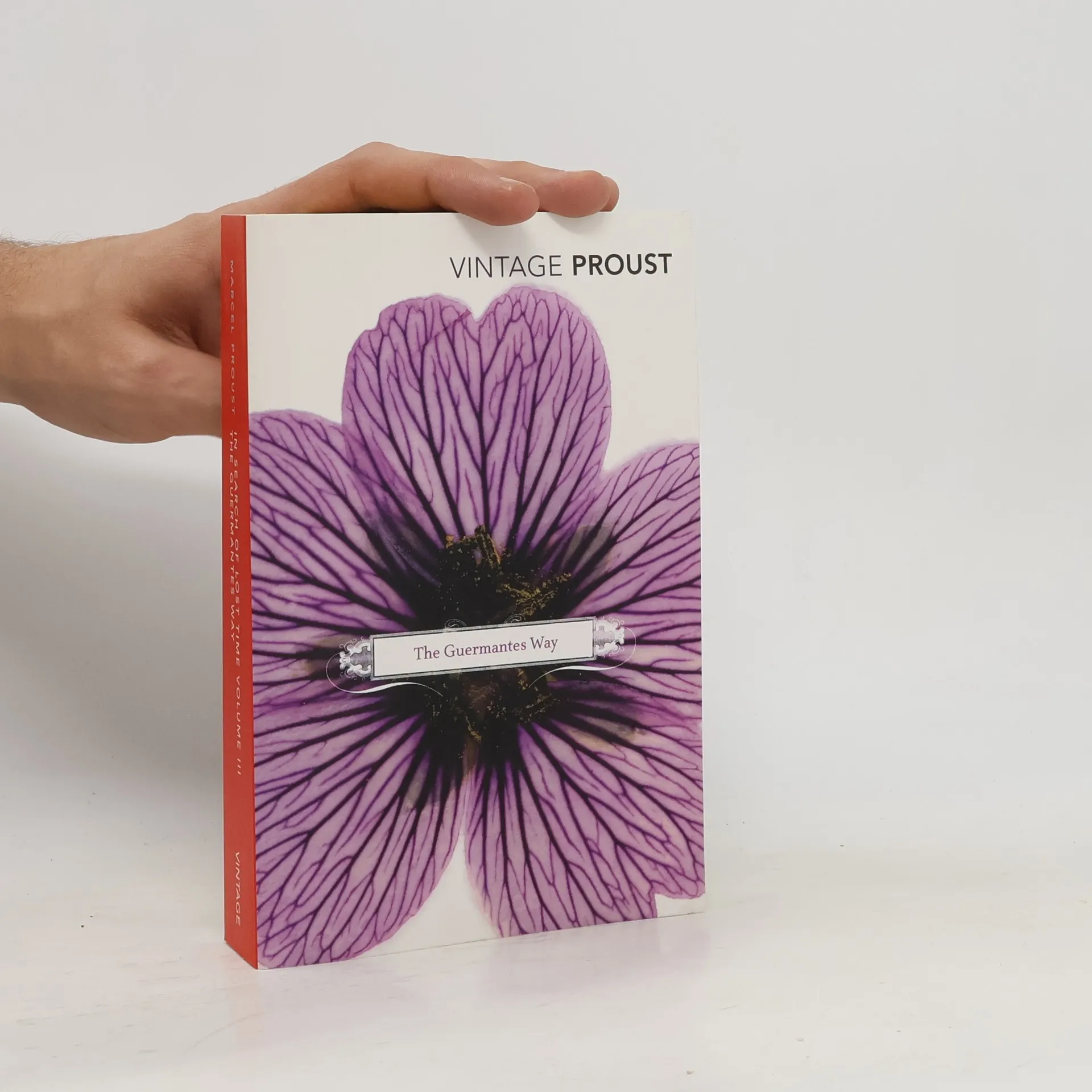
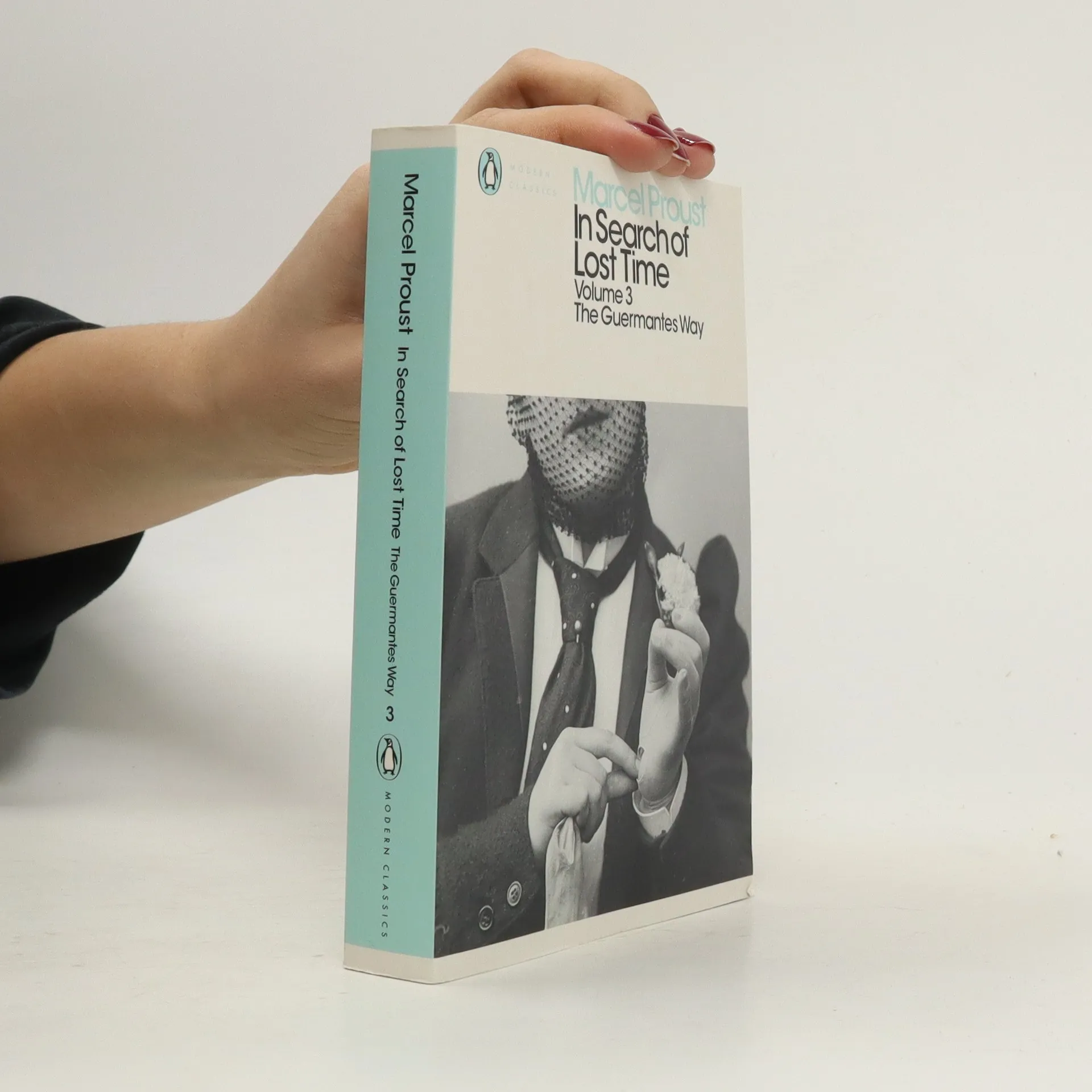
TRANSLATIONIn The Guermantes Way Proust's narrator recalls his initiation into
the dazzling world of Parisian high society. Looking back over his time in the
glamorous salons of the aristocracy, he satirises this shallow world and his
own youthful infatuation with it.
"Carol Clark's acclaimed new translation of The Prisoner introduces a new generation of American readers to the literary riches of Marcel Proust. The fifth volume in Penguin's superb edition of In Search of Lost Time -- the first completely new translation of Proust's masterpiece since the 1920s -- brings us a more comic and lucid prose than readers of English have previously been able to enjoy. In The Prisoner -- the volume that represents 'the very summit of Proust's art' (Slate) -- the prisoner is Albertine, the tall, dark orphan with whom Marcel had fallen in love at the end of Sodom and Gomorrah (volume 4). Marcel, who worries obsessively about Albertine's relationships with other women, grows more and more irrational in his attempt to control her, keeping her prisoner in his family's apartment in Paris and buying her couture gowns, furs, and jewelry in an attempt to protect her from herself and from the outside world. And yet in addition to being a tragedy of possessive love, The Prisoner is also a comedy of human folly and misunderstanding, linked to the other volumes of the larger novel through its themes of class differences, art, irrationality, social snobbery, and, of course, time and memory."-- book jacket
'The transmutation of sensation into sentiment, the ebb tide of memory, waves of emotion such as desire, jealousy, and artistic euphoria — this is the material of this enormous and yet singularly light and translucid work' — Vladimir Nabokov Originally rendered by C.K. Scott Moncrieff from an early and unrealiable French edition, Proust’s masterpiece has now been flawlessly translated by Terence Kilmartin in this acclaimed version.
In The Guermantes Way Proust's narrator recalls his initiation into the
dazzling world of Parisian high society. Looking back over his time in the
glamorous salons of the aristocracy, he satirises this shallow world and his
own youthful infatuation with it. schovat popis
Celebrating the 150th anniversary of Marcel Proust's birth, this penultimate volume showcases the pinnacle of his literary artistry. It is part of the highly regarded Penguin translation, offering readers a chance to engage with Proust's intricate narrative and profound themes. The book promises to deepen the exploration of memory, time, and human experience, solidifying its place as a significant contribution to modern literature.
This graphic adaptation reveals the fundamental architecture of Proust's work while displaying a remarkable fidelity to his language as well as the novel's themes of time, art, and the elusiveness of memory.
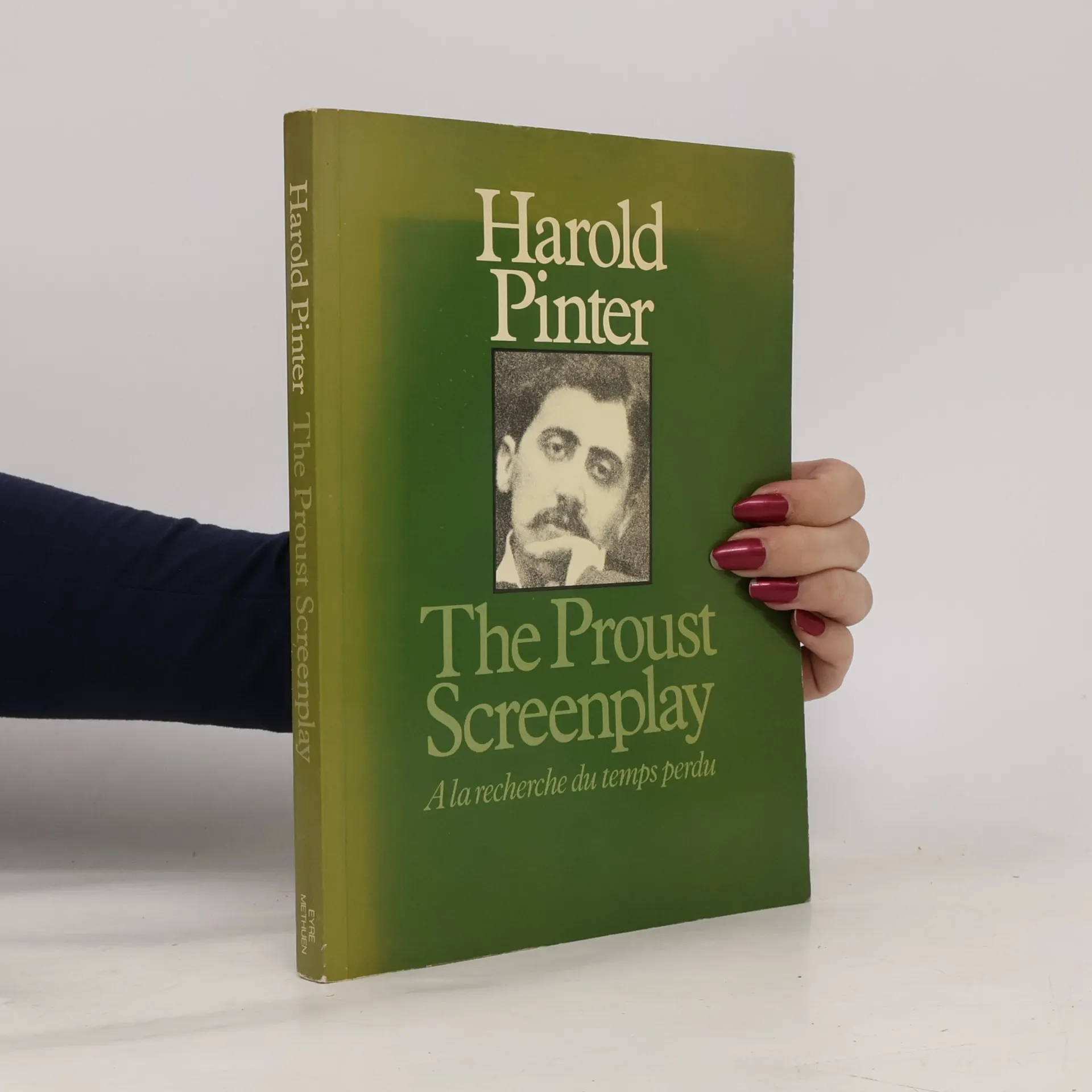
In the early 1970s Harold Pinter joined forces with director Joseph Losey and Proust scholar Barbara Bray to develop a screenplay of Proust's masterpiece, Remembrance of Things Past. Pinter took more than a year to conceive and write the screenplay and called the experience "the best working year of my life." Although never produced, Harold Pinter's The Proust Screenplay is considered one of the greatest adaptations for the cinema ever written.With fidelity to Proust's text, the screenplay is an extraordinary re-creation by one of the leading playwrights of our time. It is, in its way, a unique collaboration between two extraordinary writers united across more than half a century and two different cultures by a special concern for time and memory.
In Search of Lost Time is one of the greatest, most entertaining reading
experiences in any language. This book is an English translation of the French
original.
Rich in language and detail, and by turns satirical and moving, Proust's
stories - presented here in Andrew Brown's nuanced translation, the only
edition currently in print - are layered with imagery and feeling and
foreshadow the themes and psychological atmosphere of his later masterpiece.
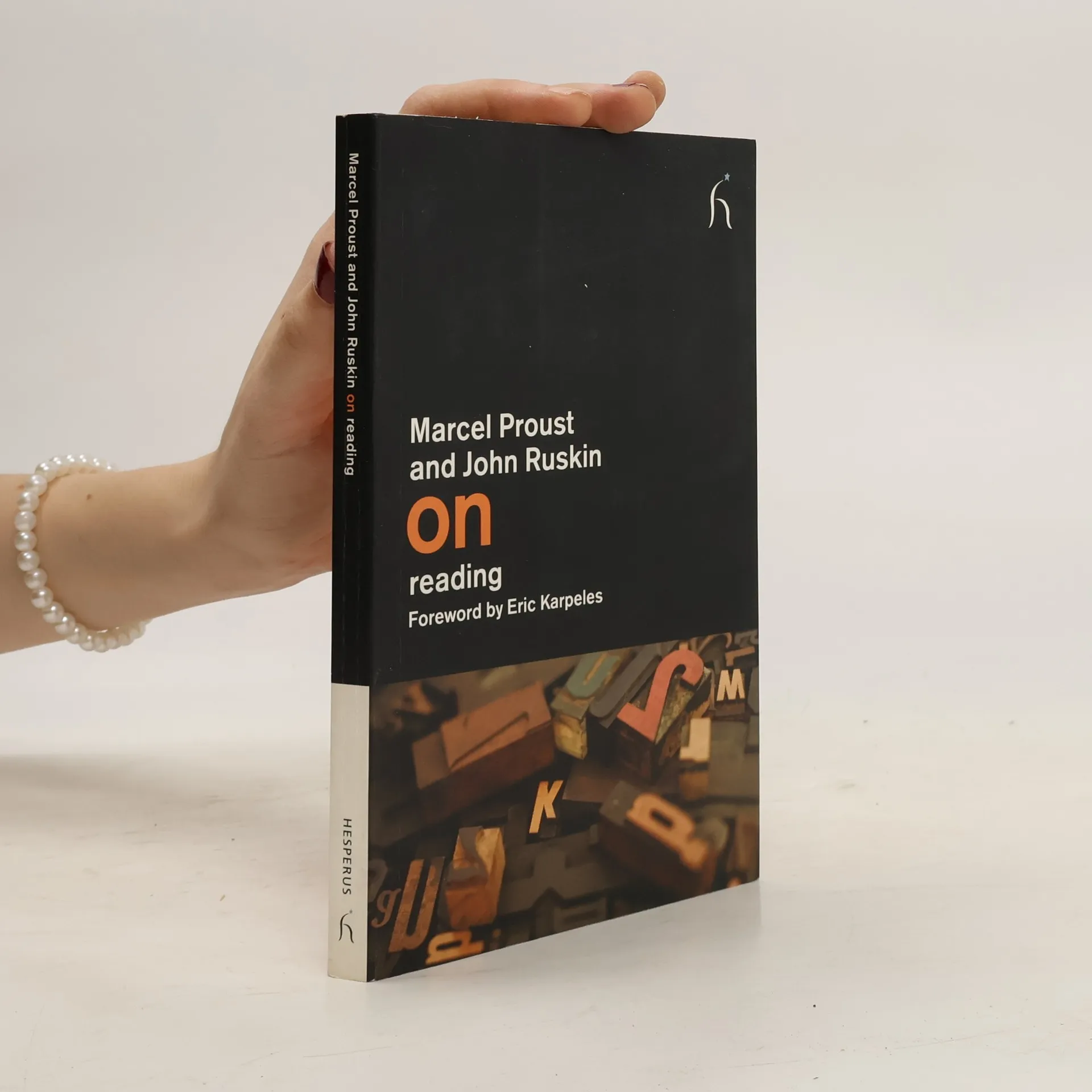
In these inspiring essays about why people read, Proust explores all the pleasures and trials that readers take from books and the joys of losing oneself in literature.
Newly discovered stories from one of the great storytellers of the twentieth century Throughout Proust's life, nine of his short stories remained unseen - the writer never spoke of them. Why did he choose not to publish them along with the others? One possible answer is that he was developing his themes in preparation for his masterpiece, In Search of Lost Time; another is that the stories were too audacious - too near to life - for the censorious society of the time. In these stories, published here for the first time, we find an intimate picture of a young author full of darkness and melancholy, longing to reveal his true self to the world.
"In Search of Lost Time" is one of the greatest, most entertaining reading experiences in any language. This book is an English translation of the French original.
Within A Budding Grove (In the Shadow of Young Girls in Flower)
686 stránek
25 hodin čtení
Within a Budding Grove describes the first shoots of an astonishing love affair. When Proust's adolescent narrator travels from Paris to the sunny seaside town of Balbec he meets an intriguing set of new acquaintances who provide him with both friendship and entertainment. Most significantly of all he meets a dark-haired girl with sparkling eyes and a tiny beauty spot on her chin: the mysterious Albertine, who will become the great love of his life.
When the night falls, the unnamed narrator finds it difficult to reign in his galloping thoughts. Night for him means profound loneliness and also the only time when his thoughts and memories come back unbidden, often waking him up in the middle of the night. His thoughts involuntarily go back his past, his country home in Combray and the people who once populated that time... "For a long time I used to go to bed early. Sometimes, when I had put out my candle, my eyes would close so quickly that I had not even time to say "I'm going to sleep." And half an hour later the thought that it was time to go to sleep would awaken me; I would try to put away the book which, I imagined, was still in my hands, and to blow out the light; I had been thinking all the time..." Marcel Proust (1871-1922) was a French novelist, critic, and essayist best known for his monumental novel À la Recherche du Temps Perdu (1913-1927). He is considered by English critics and writers to be one of the most influential authors of the 20th century. Charles Kenneth Scott Moncrieff (1889-1930) was a Scottish writer, most famous for his English translation of most of Proust's À la recherche du temps perdu, which he published under the Shakespearean title Remembrance of Things Past.
The story centers on a young man aspiring to be a writer, grappling with anxiety and a complex relationship with his mother. His childhood fears manifest in manipulative behavior, reflecting the themes of control and emotional dependency. This dynamic is echoed in the actions of other characters, including his aunt Leonie and various lovers, all of whom engage in similar tactics of emotional manipulation. The narrative explores the intricacies of love, possession, and the struggle for identity amidst these familial and romantic entanglements.