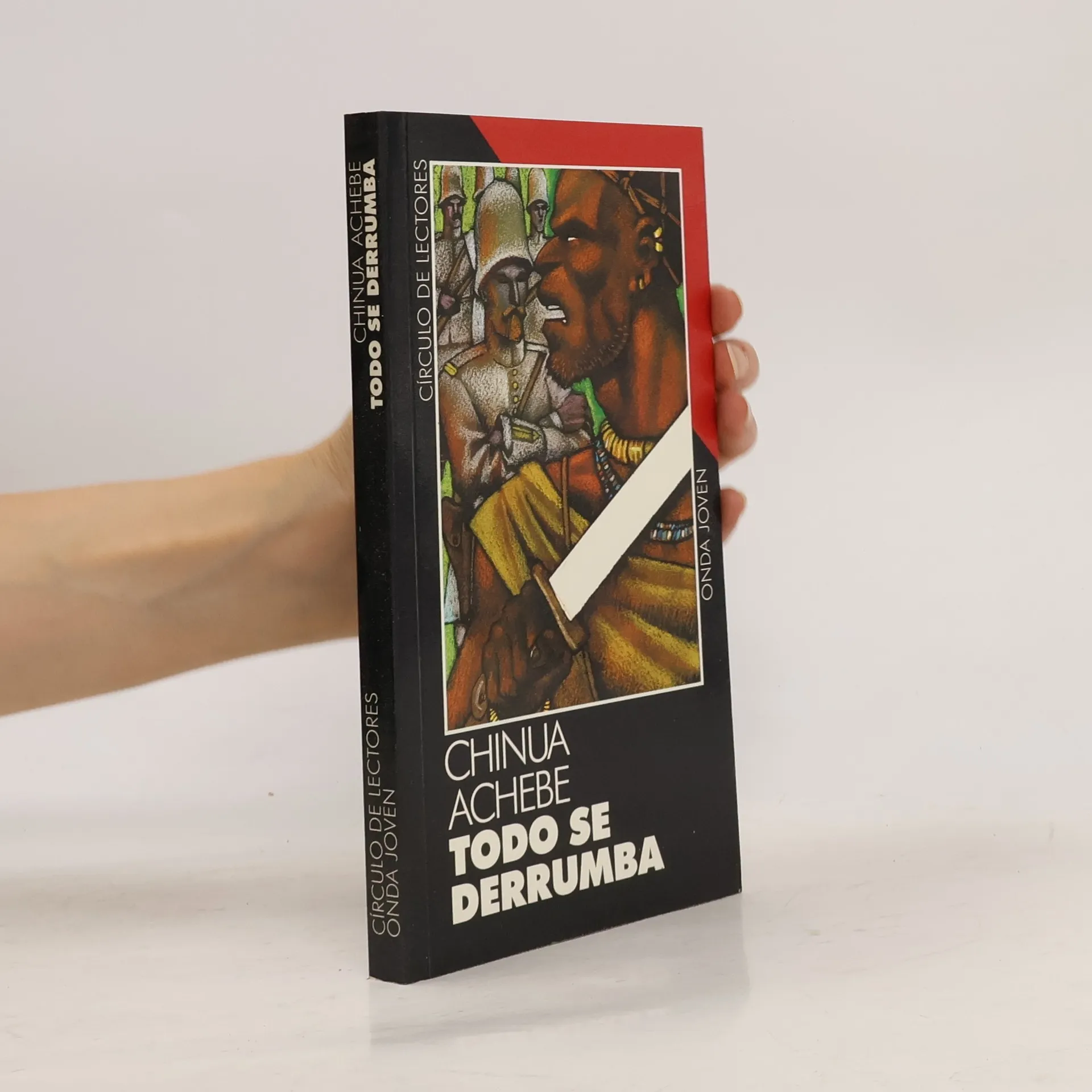
Chinua Achebe byl mistrem slova, jehož dílo proniká do srdce nigerijské společnosti. S neochvějnou upřímností zkoumal dopady kolonialismu, střet kultur a sílu tradic. Jeho styl, čerpající z bohaté ústní slovesnosti Igboů, oživuje příběhy pomocí promluv, přísloví a lidových vyprávění. Achebeho psaní v angličtině, jazyce kolonizátorů, je záměrnou volbou, která posiluje hlasy a perspektivy dříve umlčované. Jeho tvorba zůstává zásadním přínosem k chápání africké literatury a postkoloniální zkušenosti.
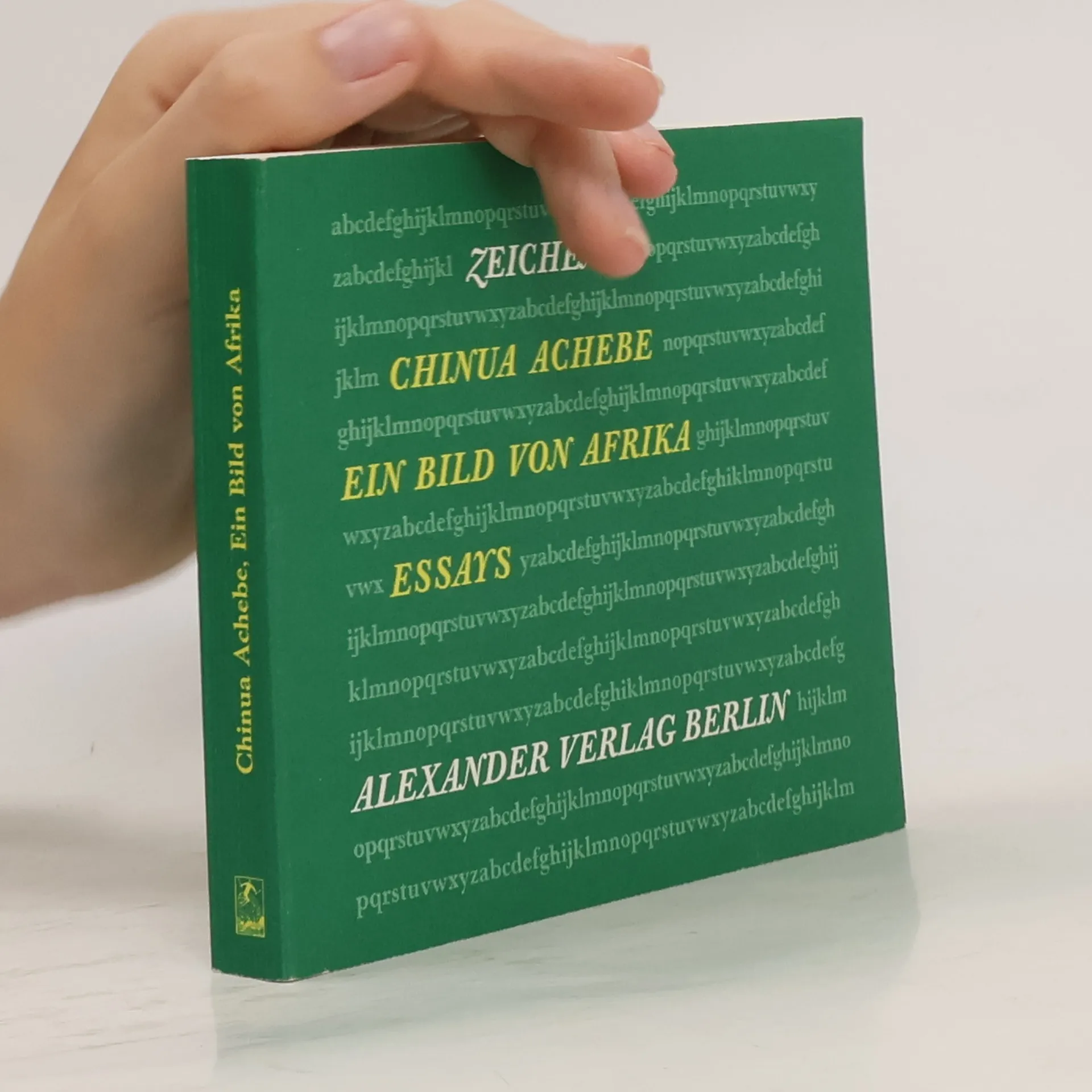
Chinua Achebe kritisierte 1975 Joseph Conrads Kurzroman "Herz der Finsternis" als rassistisch und verzerrend. Er betont, dass das Bild der afrikanischen Völker im Werk die Gleichwertigkeit Schwarzer Menschen infrage stellt. Achebe verteidigt das Menschsein und die Geschichte Afrikas gegen solche herabsetzenden Darstellungen.
Chinua Achebe, regarded as the father of modern African literature, created a significant impact with his African Trilogy, which includes Things Fall Apart, Arrow of God, and No Longer at Ease. These novels vividly portray the lives of three generations within an African community facing the upheaval of colonialism, from the initial British arrival to the decline of empire. The trilogy begins with Things Fall Apart, featuring Okonkwo, a village hero whose tragic pride and conflicts with missionaries lead to his downfall. Arrow of God explores the struggle between tradition and change through Ezeulu, the chief priest, whose authority is challenged by colonial forces and rivals, yet he remains resolute in his leadership, even at great cost to his people. The narrative concludes with No Longer at Ease, where Okonkwo's grandson, educated in England, returns to Lagos for a civil-service position, only to witness his moral decline as he navigates the complexities of the ruling elite. Drawing from traditional Igbo stories, the trilogy serves as a literary milestone, offering a mythic and universal perspective on modern Africa. As Toni Morrison noted, Achebe's contributions are essential to the understanding of African literature, showcasing unmatched passion, intellect, and clarity in his prose.
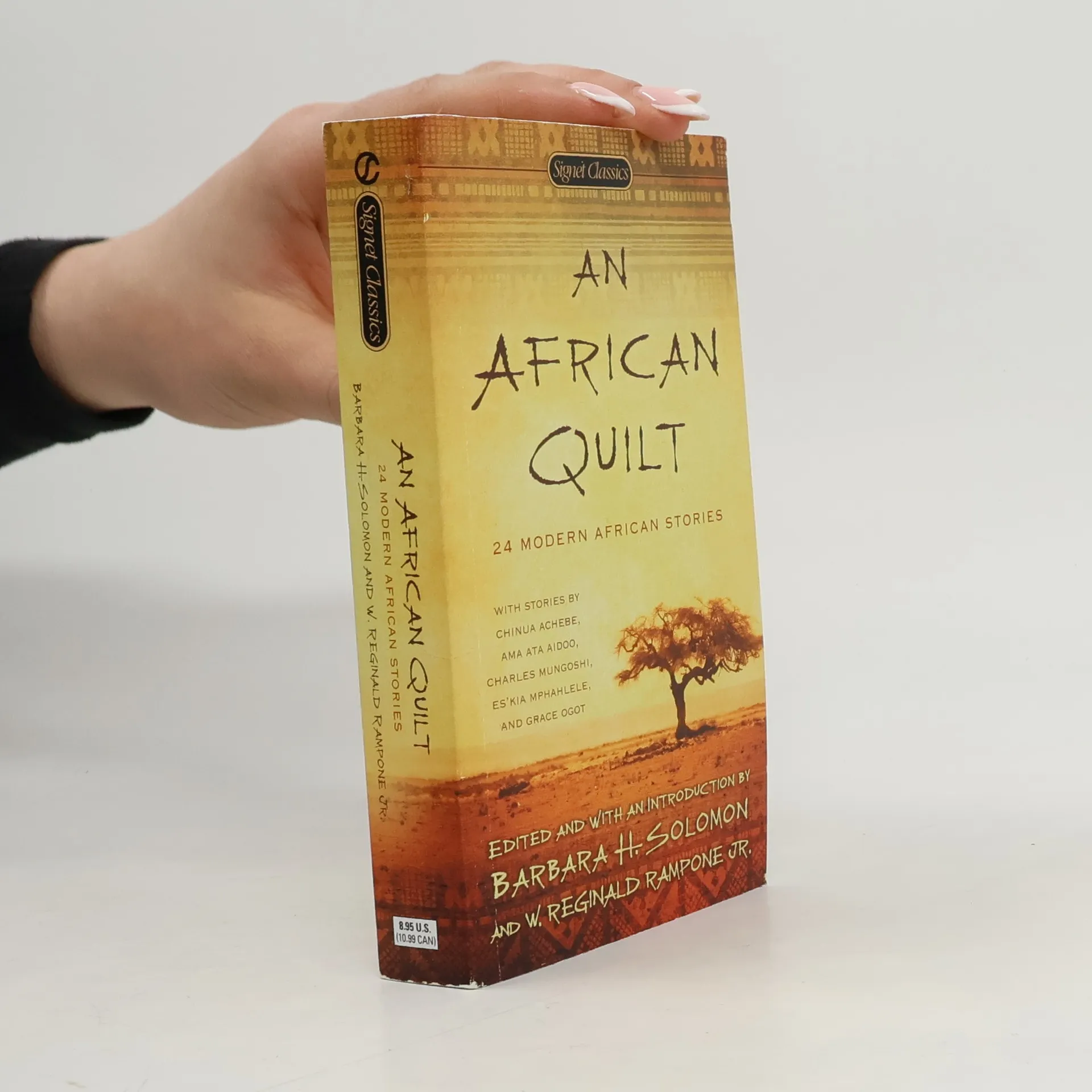
Encompassing many different visions of Africa, the stories in this comprehensive collection feature characters struggling to survive grinding poverty, tyrannical governments, cultural upheavals, and disintegrating relationships. Reflecting a continent with a tragic history, An African Quilt depicts a place where even everyday life is extraordinary, and the continent’s history changes what it means to be a woman, an employee, a couple, a passerby, and, of course, a citizen. Revealed through the backdrop of postcolonial Africa, the struggles within these stories resonate beyond their context and appeal to every reader’s sense of what it means to be human. With Stories by Chimamanda Ngozi Adichie, Nadine Gordimer (Winner of the Nobel Prize), Bessie Head, Doris Lessing (Winner of the Nobel Prize), Ngugi wa Thiong’o, and Others
An eleven-year-old boy yearns to cross the Niger River to reach the city of Asaba but lacks the fare. With his friend S.M.O.G., he embarks on thrilling adventures to earn money, experiencing new delights and challenges along the way. From savoring street food to consulting a village magician, Chike's journey is filled with excitement and fear. Upon finally reaching Asaba, he discovers a reality different from his dreams, prompting a personal quest for courage and understanding. This enchanting story by Chinua Achebe explores themes of bravery and growth.
Druhý díl série Postkoloniální myšlení I–IV, navazující na překlad knihy Frantze Fanona, se zaměřuje na historické východisko postkoloniálního myšlení jako emancipačního programu druhé vlny dekolonizace. Tento proces, probíhající v Asii a Africe od konce druhé světové války do poloviny sedmdesátých let, byl na Západě vnímán jako rozklad evropských imperiálních říší. Autoři v knize vyjadřují perspektivu osvobození od koloniální nadvlády a systémů útlaku. Klíčovou otázkou je postkoloniální identita a konstrukce nové politiky identity: bude vycházet z národního esencialismu, nebo z konstruktivistického pohledu na národ jako myšlené společenství? Tyto nekompatibilní koncepce reflektují problémy, které se objevují i v kontextu postsocialistické transformace po roce 1989. Publikace zahrnuje klasické texty, které definují témata univerzality, diference, rezistence a jazyka jako struktury moci. Specifikum výběru spočívá v dvou místních aspektech pohledu na postkoloniální situaci: roli autora a dědictví totalitního režimu, které formovalo stereotypy ideologií.
"The trilogy opens with the groundbreaking Things Fall Apart, the tale of Okonkwo, a hero in his village, whose clashes with missionaries -- coupled with his own tragic pride -- lead to his fall from grace. Arrow of God takes up the ongoing conflict between continuity and change as Ezeulu, the headstrong chief priest, finds his authority is under threat from rivals and colonial functionaries. But he believes himself to be untouchable and is determined to lead his people, even if it is towards their own destruction. Finally, in No Longer at Ease, Okonkwo's grandson, educated in England, returns to a civil-service job in Lagos, only to see his morality erode as he clings to his membership in the ruling elite"-- Provided by publisher
For the past three decades, Dowden has travelled this vast and varied continent, listening, learning, and constantly re-evaluating all he thinks he knows.
Examines the political nature of culture and specifically literature. This title challenges the way the West has appropriated Africa with a particular emphasis on how 'imperialist' literature has been used to justify its dispossession and degradation. schovat popis
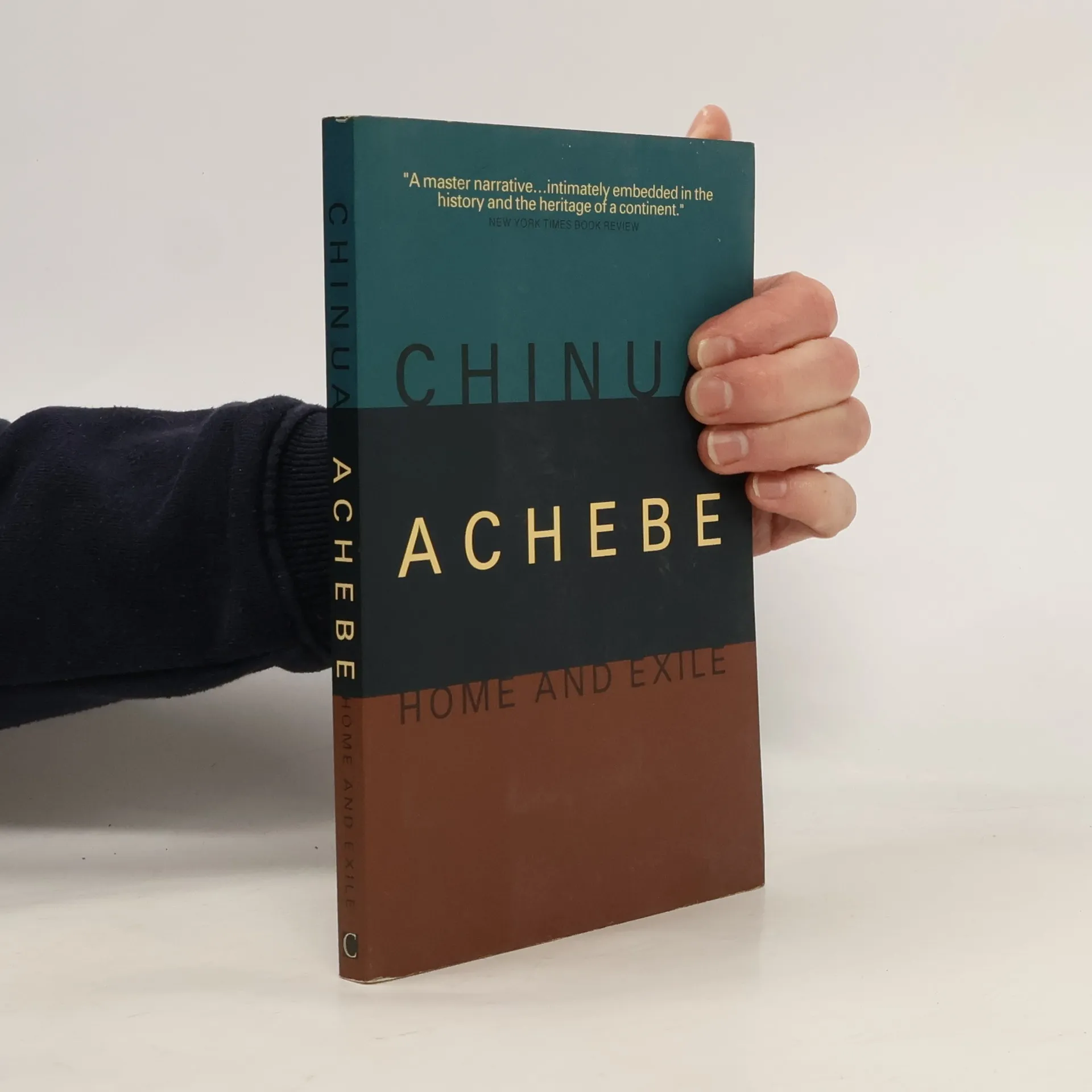
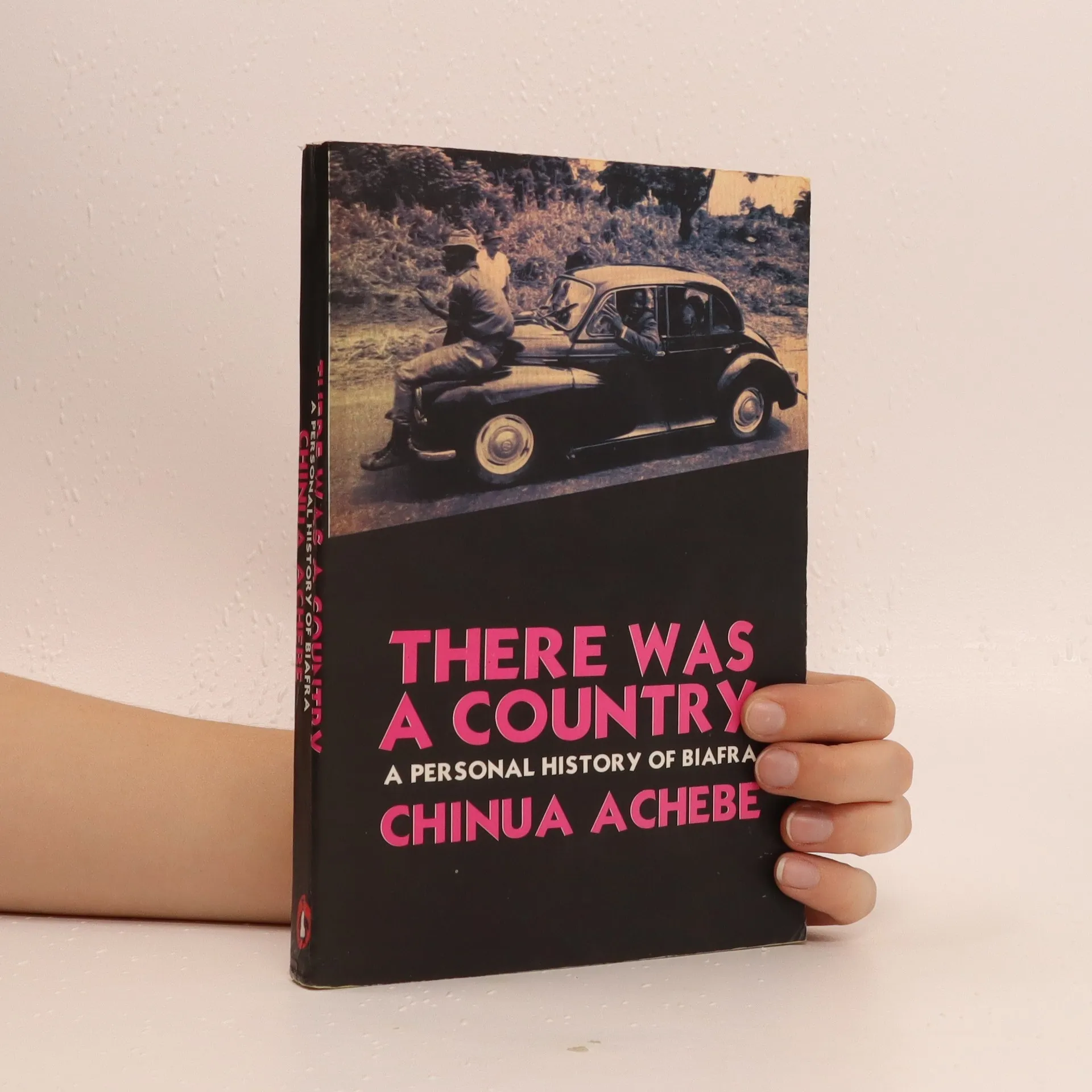
The defining experience of author's life was the Nigerian civil war, also
known as the Biafran War. A marriage of history, remembrance, poetry and vivid
first-hand observation, this title is a work of wisdom and compassion from one
of the great voices of our age. schovat popis
n Ein Bild von Afrika untersucht Chinua Achebe die rassistische Voreingenommenheit in der Prosa und Moralauffassung während der Kolonialzeit am Beispiel von Joseph Conrads Herz der Finsternis. Der Band enthält außerdem die Texte Afrikanische Literatur als Wiedergeburt der Feier, Arbeit und Spiel in Tutuolas 'Palmweintrinker' und Gewidmet Victoria, Königin von England
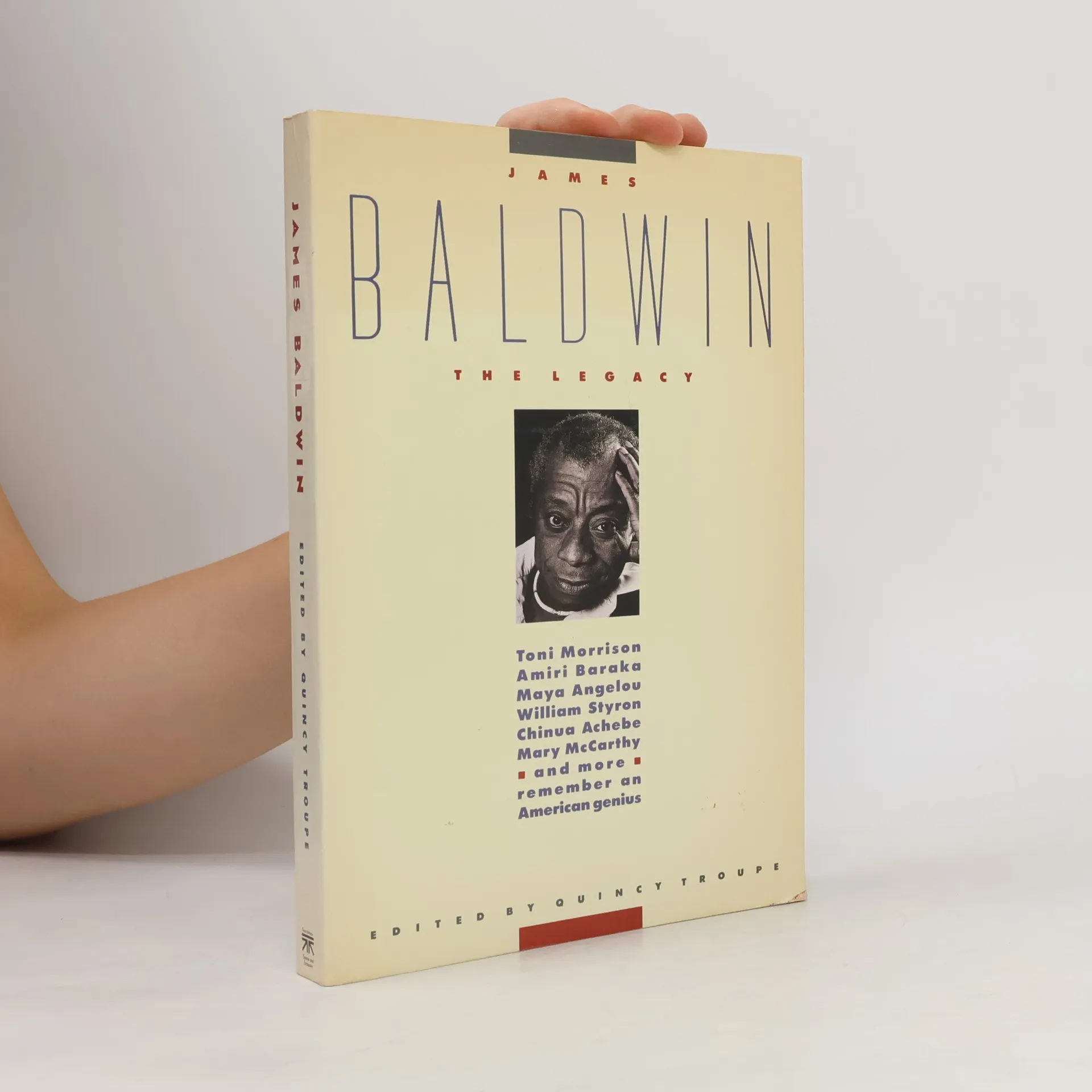
Under the editorship of poet Quincy Troupe, renowned writers assess and celebrate the legacy of James Baldwin, one of America's great authors and activists. Here in one volume is the measure of this enormous influence on the literary and intellectual history of our time. 8-page photo insert.
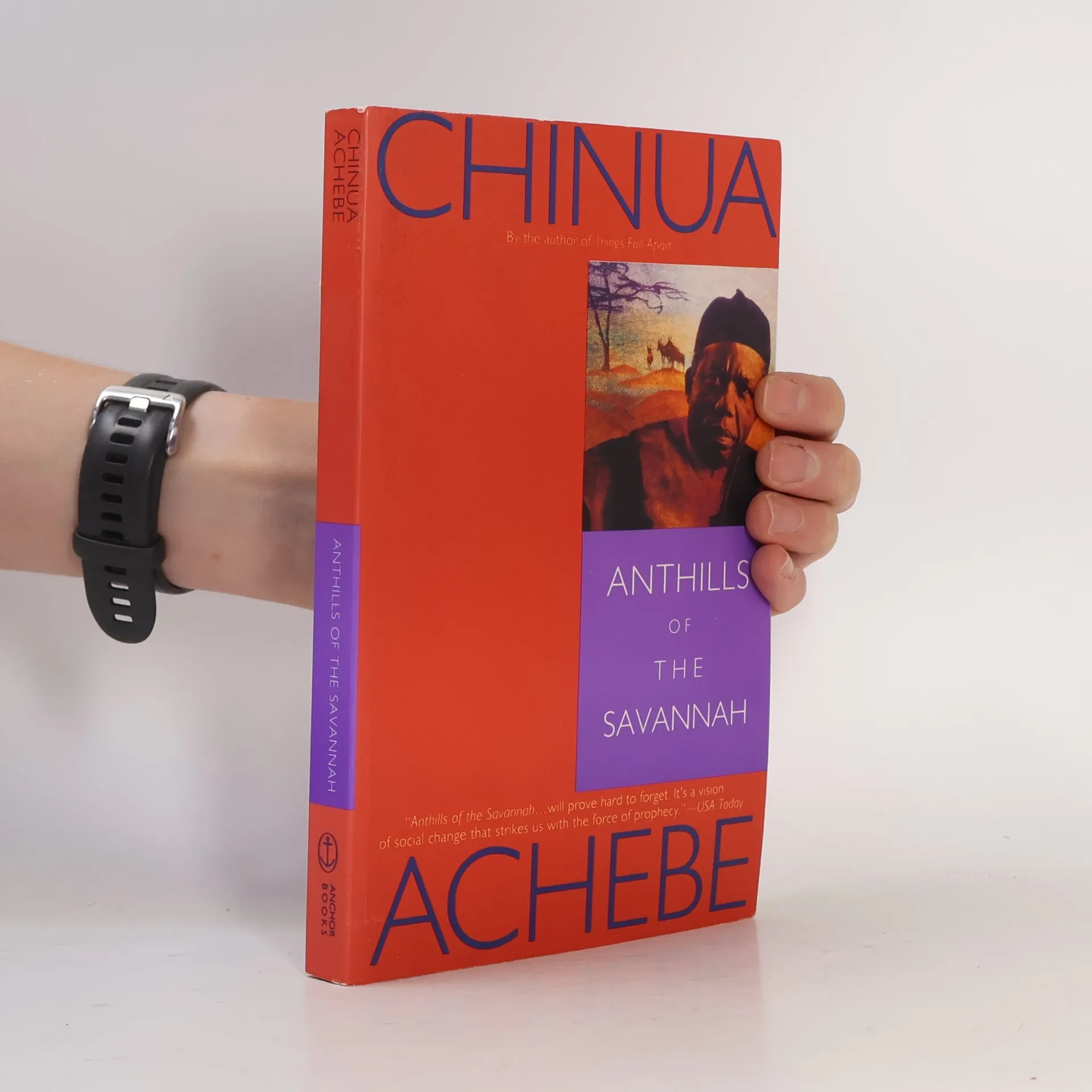
A searing satire of political corruption and social injustice from the celebrated author of Things Fall Apart "Achebe has written a story that sidesteps both ideologies of the African experience and political agendas, in order to lead us to a deeply human universal wisdom." —Washington Post Book World In the fictional West African nation of Kangan, newly independent of British rule, the hopes and dreams of democracy have been quashed by a fierce military dictatorship. Chris Oriko is a member of the president's cabinet for life, and one of the leader's oldest friends. When the president is charged with censoring the opportunistic editor of the state-run newspaper--another childhood friend--Chris's loyalty and ideology are put to the test. The fate of Kangan hangs in the balance as tensions rise and a devious plot is set in motion to silence a firebrand critic. From Chinua Achebe, the legendary author of Things Fall Apart, Anthills of the Savannah is "A vision of social change that strikes us with the force of prophecy." (USA Today)
"This collection of 20 stories forms an invaluable introductionto the wealth of short fiction currently being written in Africa...Highlyrecommended for both African and short story collections" - Library JournalChinua Achebe has joined with C.L. Innes, co-editor of "Okike," to select stories of excellence from the writings of the last twenty-five years. While many of the established names such as Sembene Ousmane, Ngugi, and Bessie Head are to be found, the collection is refreshing for the inclusion of work by the wide range of writers who have made the emerging field of African fiction something to follow.
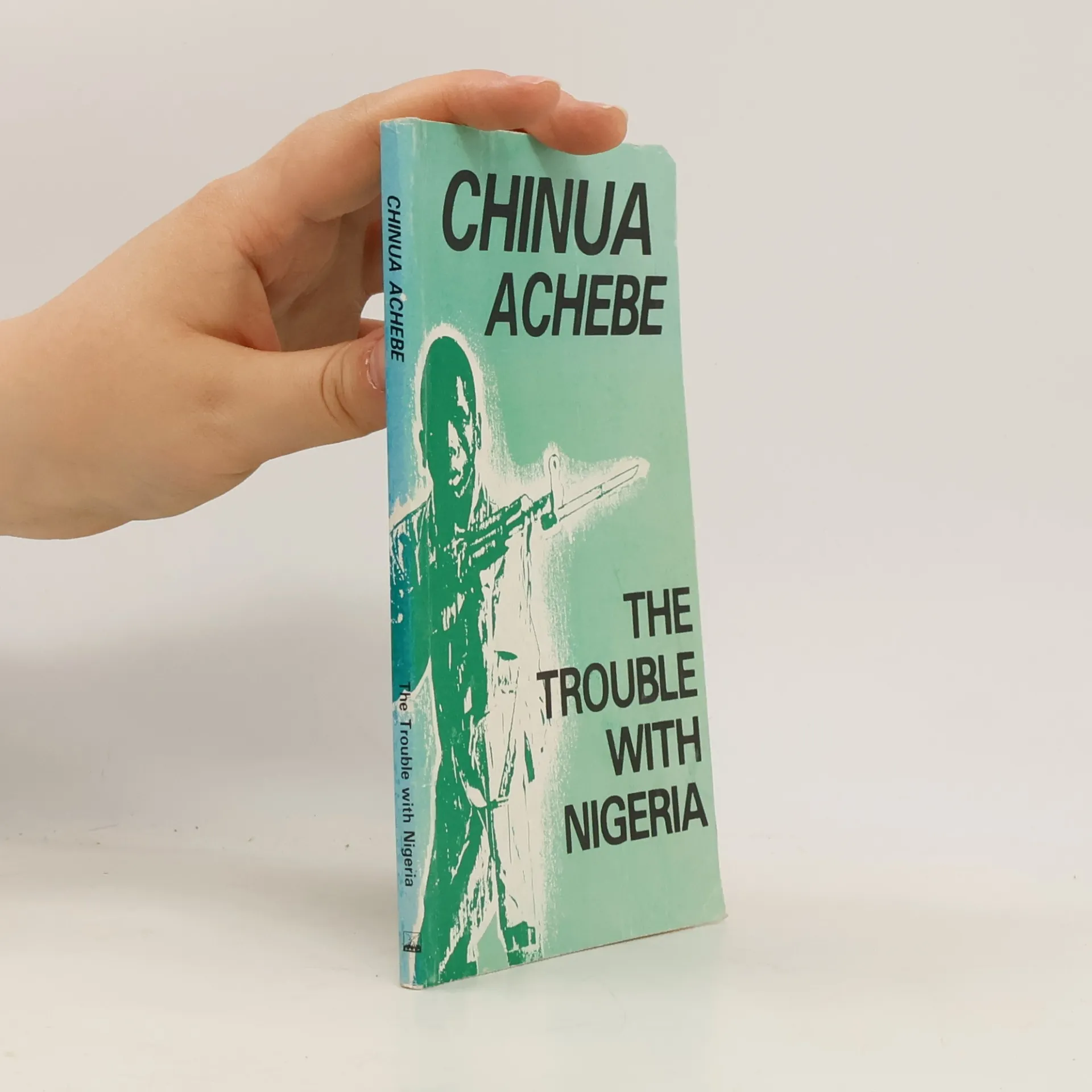
"The trouble with Nigeria is simply and squarely a failure of leadership," concludes internationally acclaimed writer Chinua Achebe. In this book Achebe broke his silence about the 1983 Nigerian elections. The style and wit in part cover his deep despair over the direction of change in his home country.
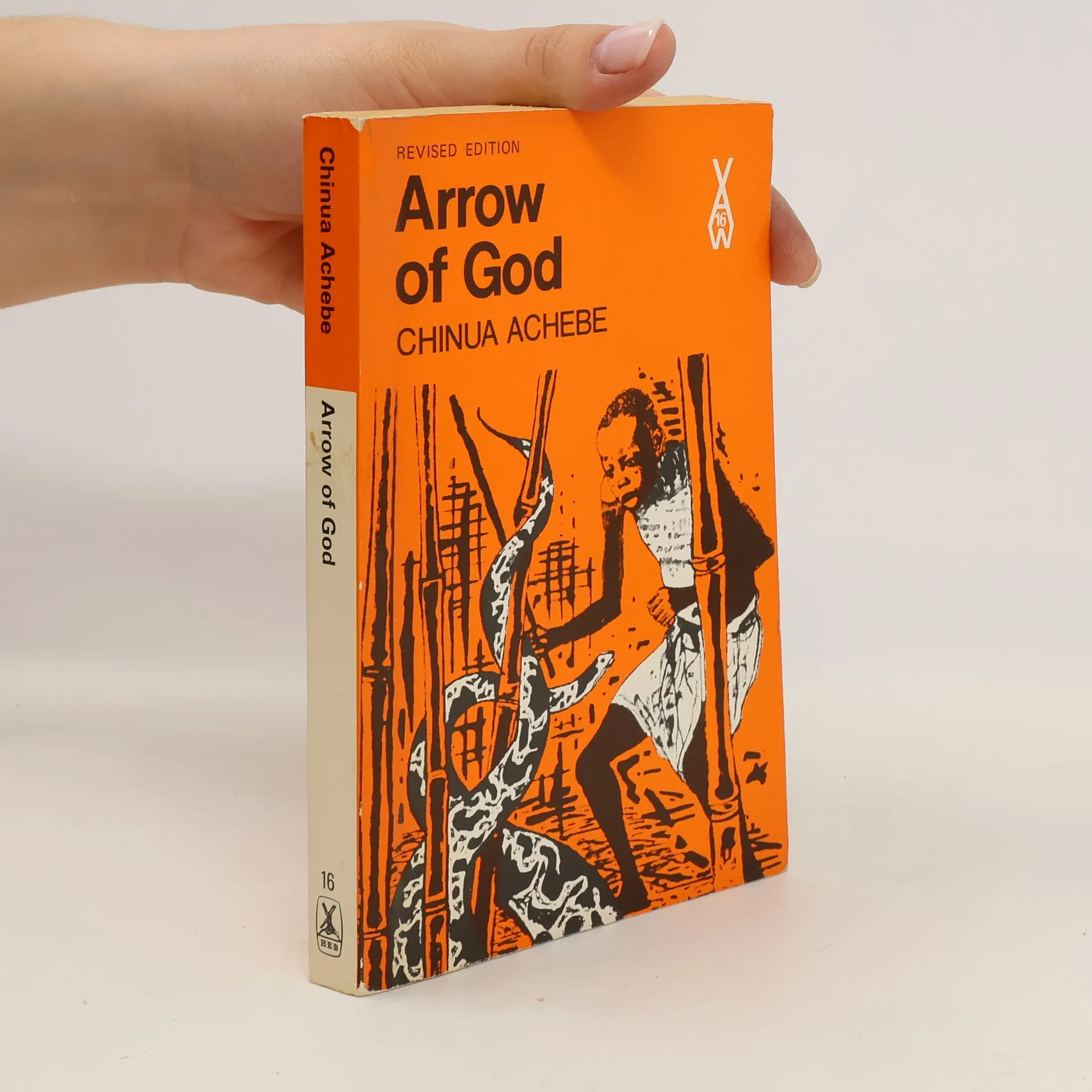
Set in the Ibo heartland of eastern Nigeria, one of Africa's best-known writers describes the conflict between old and new in its most poignant aspect: the personal struggle between father and son. The third book in Achebe's "African Trilogy", following Things Fall Apart and No Longer at Ease, Arrow of God is the story of Ezeulu, the chief priest of several villages who wrestles with colonial powers as he butts heads with Christian missionaries dispatched to the area. A fictional discussion of Colonial rule in 1920's Nigeria, Achebe brings religion and family relations into a discussion of politics and national identity. From the Trade Paperback edition.
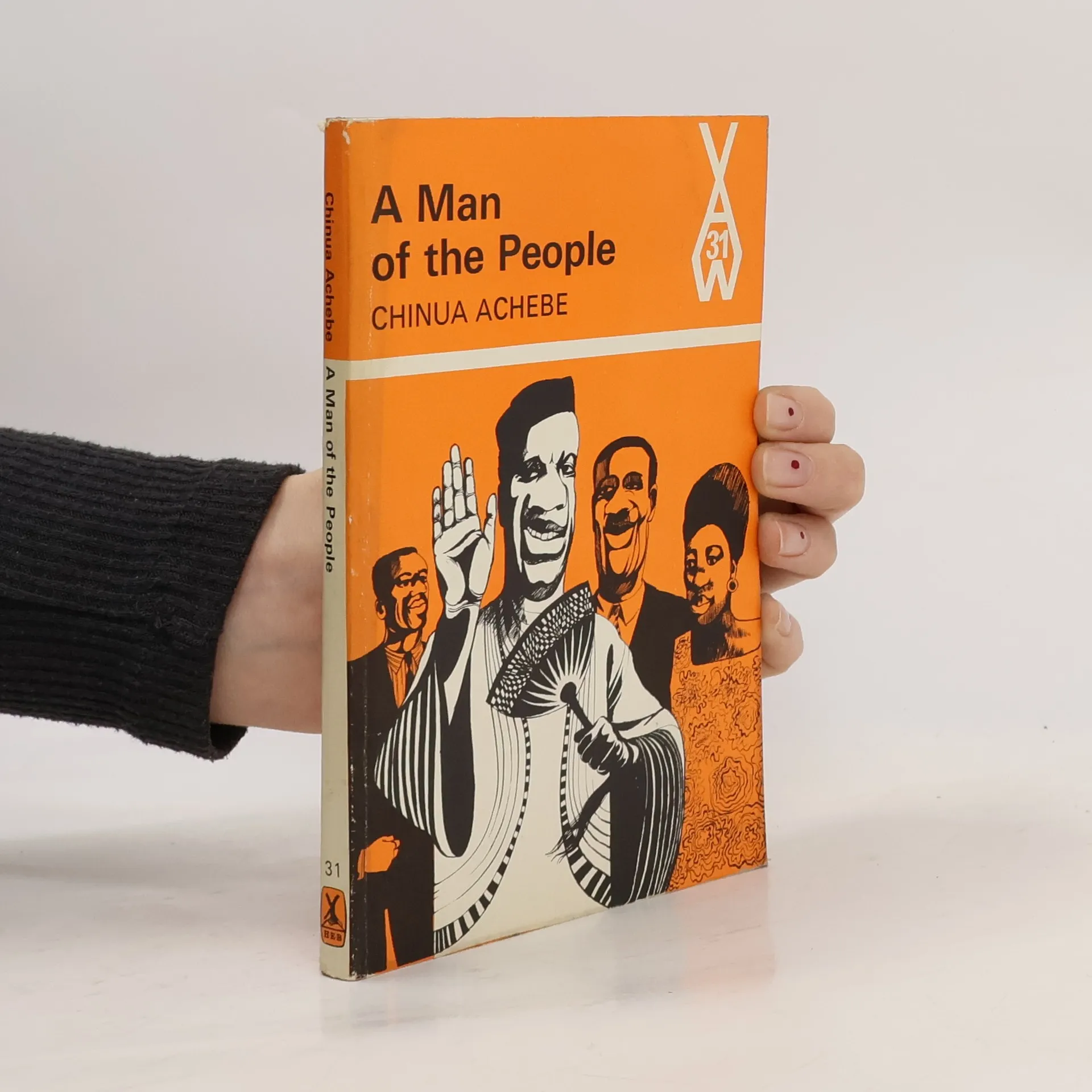
By the renowned author of Things Fall Apart, this novel foreshadows the Nigerian coups of 1966 and shows the color and vivacity as well as the violence and corruption of a society making its own way between the two worlds.
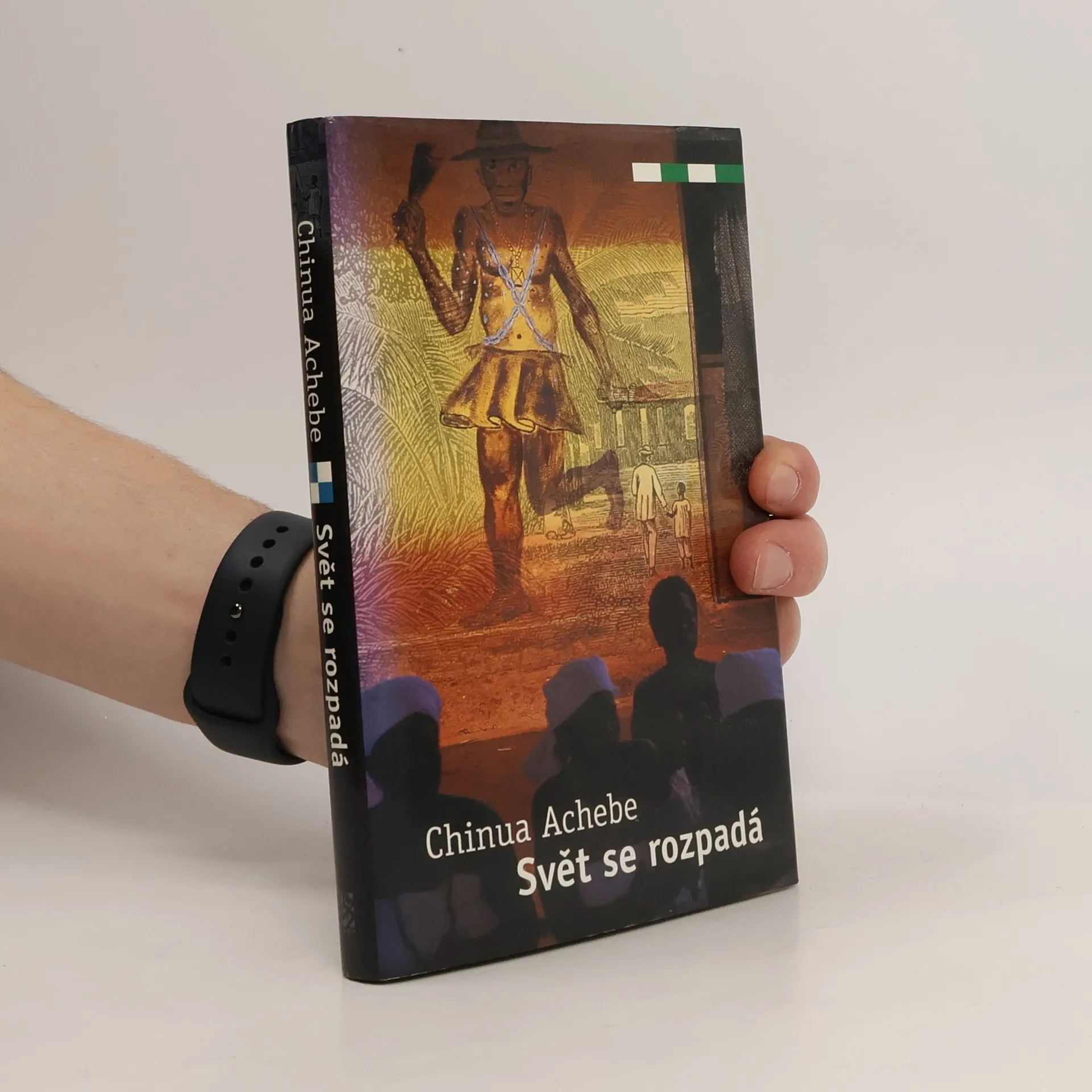
Před více než sto lety žily na jihovýchodě dnešní Nigérie místní kmeny v zajetí kouzel a mýtů, starých zvyků a skromné obživy. Hrdina románu Okonkwo, proslulý vesnický zápasník a válečník jednoho z klanů igboského kmene, tvrdou rukou ovládá domácnost se třemi manželkami a mnoha dětmi. Stejně jako on jsou i příbuzní a sousedé plně podřízeni animistickým božstvům, jejichž vůli smrtelníkům tlumočí věštkyně a kouzelníci. Příkrov odvěkých tradic skrývá četná dramata, jež nově osvětlí příchod bílého misionáře a představitele nastupující koloniální moci. Starý svět se rozpadá.
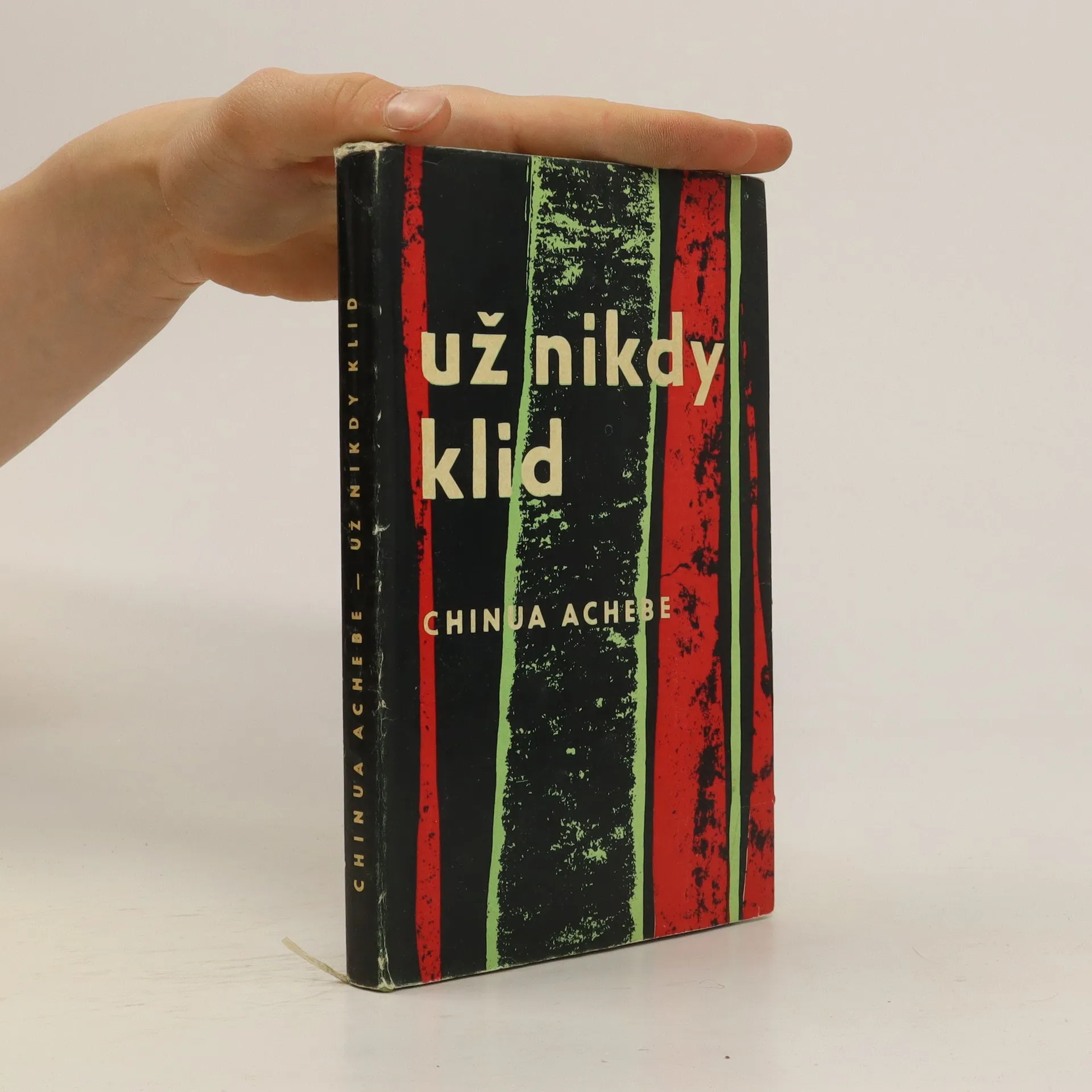
Román nigérijského spisovatele odkrývá pohled do každodenního života a problémů dnešní Afriky vylíčením příběhu mladého muže, jenž na útraty krajanů vystuduje v Londýně. Po návratu dostane vlivné místo, ale v konfliktu s prostředím a jeho názory se zpronevěří sám sobě i svým ideám.