

Více o knize
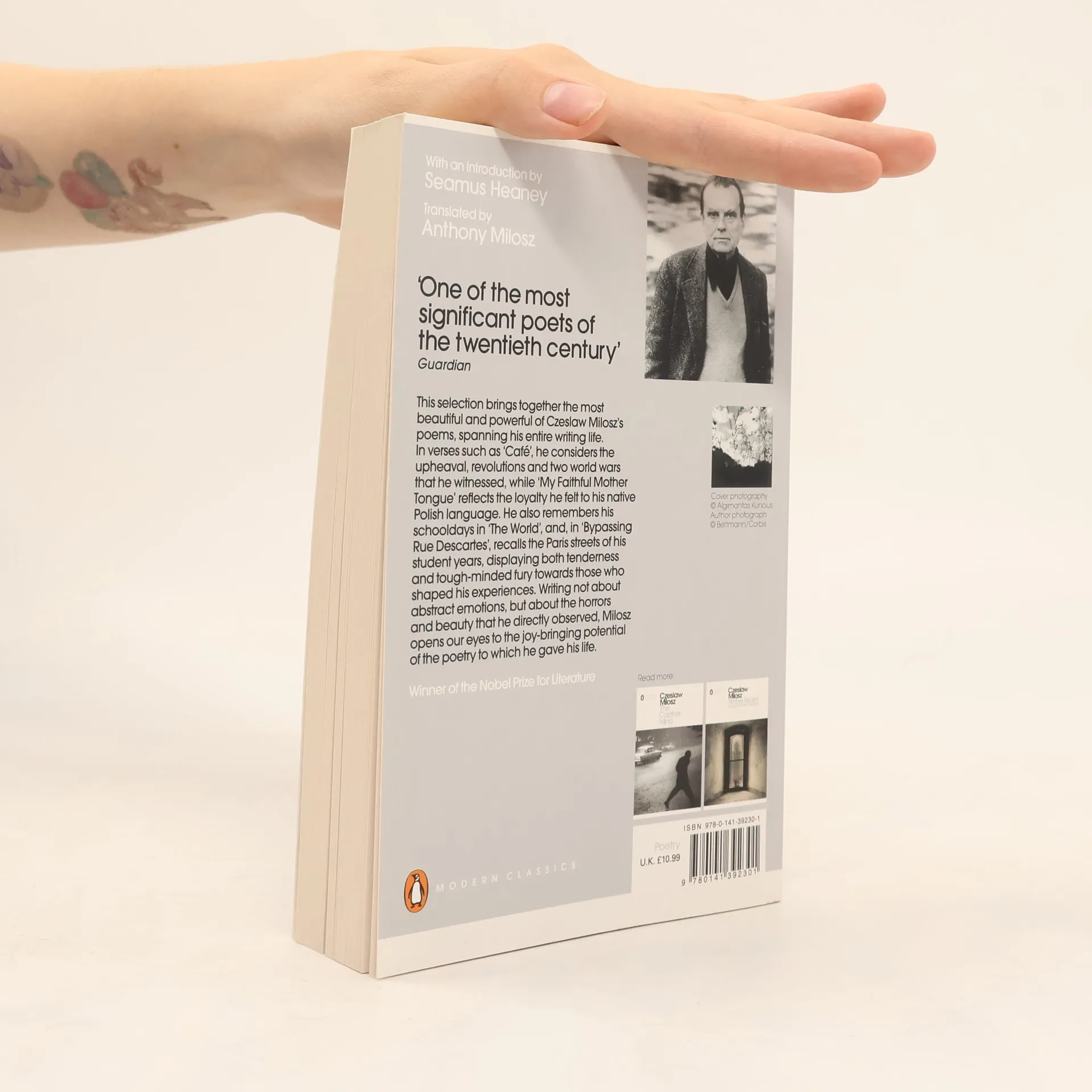
The most beautiful and powerful of Milosz's poems from across his writing lifeThis selection brings together the most beautiful and powerful of Czeslaw Milosz's poems, spanning his writing life. In verses such as 'Cafe' he considers the upheaval, revolutions and two world wars that he had witnessed, while 'My Faithful Mother Tongue' reflects the loyalty he felt to his native Polish language. He also remembers his schooldays in 'The World', and in 'Bypassing Rue Descartes' recalls the Paris streets of his student years, displaying both tenderness and tough-minded fury towards those who shaped his experiences. Writing not about abstract emotions, but about the horrors and beauty that he directly observed, Milosz opens our eyes to the joy-bringing potential of the poetry to which he gave his life. Winner of the Nobel Prize for LiteratureCzeslaw Milosz (1911-2004) won the Nobel Prize for Literature in 1980. Born in Lithuania while it was still part of the Russian Empire, he lived much of his life in Poland or exiled in California. He was the author of one of the definitive books on totalitarianism, The Captive Mind, but also wrote with extraordinary vividness and moral authority on his childhood, his experiences under Nazism and on the tragedy of Central Europe.


Nákup knihy
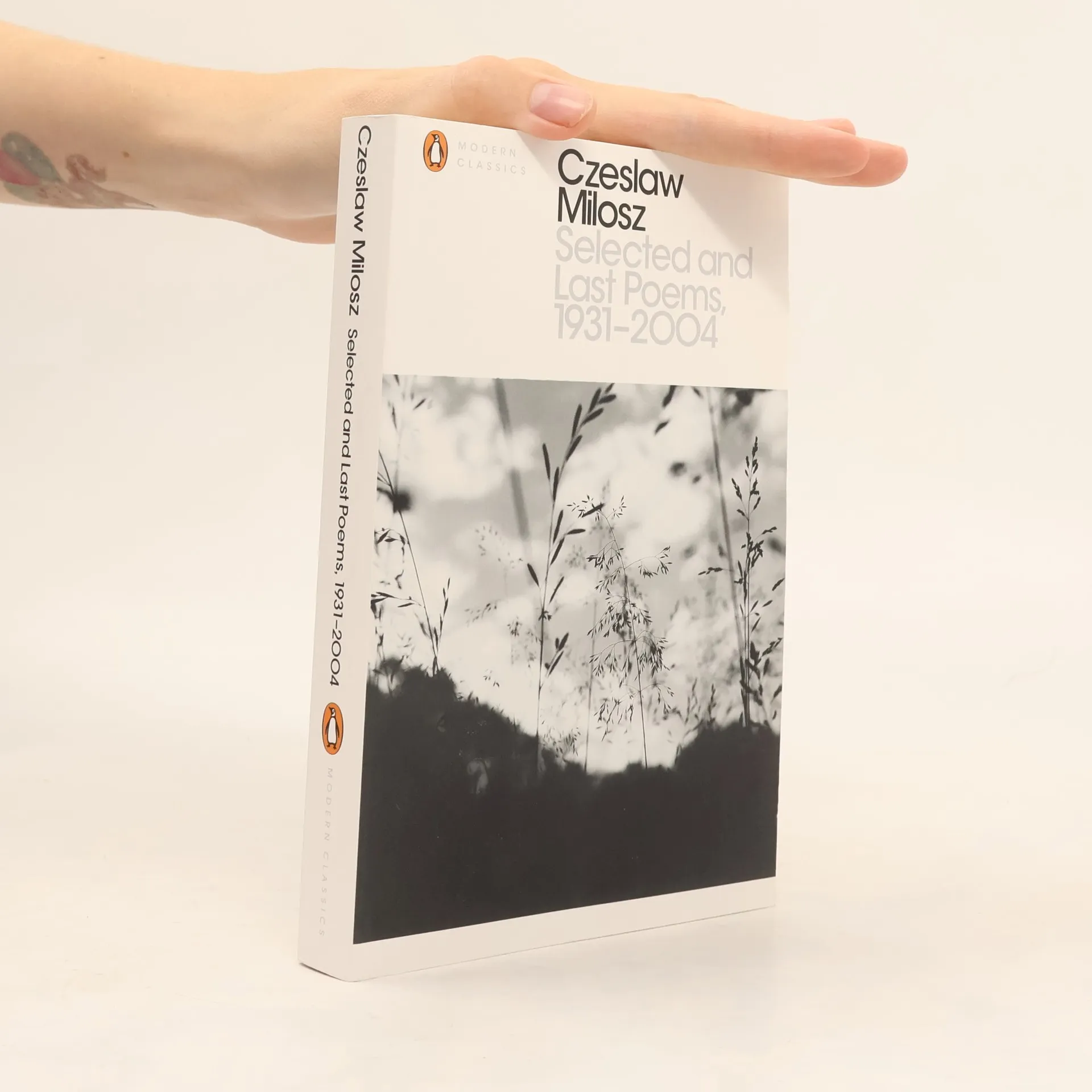
Penguin Modern Classics: Selected and Last Poems 1931-2004, Czesław Miłosz
- Jazyk

- Rok vydání
- 2014
- product-detail.submit-box.info.binding
- (měkká),
- Stav knihy
- Velmi dobrá
- Cena
- 229 Kč
Doručení
Platební metody
Tady nám chybí tvá recenze.
- Jazyk
- anglicky
- Autoři
- Czesław Miłosz
- Vydavatel
- Penguin Classics
- Rok vydání
- 2014
- Vazba
- měkká
- Počet stran
- 368
- ISBN10
- 0141392304
- ISBN13
- 9780141392301
- Série
- Štítky
- Beletrie, Historické téma, Poezie, Klasika, 20. století, Polská literatura, Polsko
- Hodnocení
- 4,35 z 5
- Anotace
- The most beautiful and powerful of Milosz's poems from across his writing lifeThis selection brings together the most beautiful and powerful of Czeslaw Milosz's poems, spanning his writing life. In verses such as 'Cafe' he considers the upheaval, revolutions and two world wars that he had witnessed, while 'My Faithful Mother Tongue' reflects the loyalty he felt to his native Polish language. He also remembers his schooldays in 'The World', and in 'Bypassing Rue Descartes' recalls the Paris streets of his student years, displaying both tenderness and tough-minded fury towards those who shaped his experiences. Writing not about abstract emotions, but about the horrors and beauty that he directly observed, Milosz opens our eyes to the joy-bringing potential of the poetry to which he gave his life. Winner of the Nobel Prize for LiteratureCzeslaw Milosz (1911-2004) won the Nobel Prize for Literature in 1980. Born in Lithuania while it was still part of the Russian Empire, he lived much of his life in Poland or exiled in California. He was the author of one of the definitive books on totalitarianism, The Captive Mind, but also wrote with extraordinary vividness and moral authority on his childhood, his experiences under Nazism and on the tragedy of Central Europe.