

Více o knize
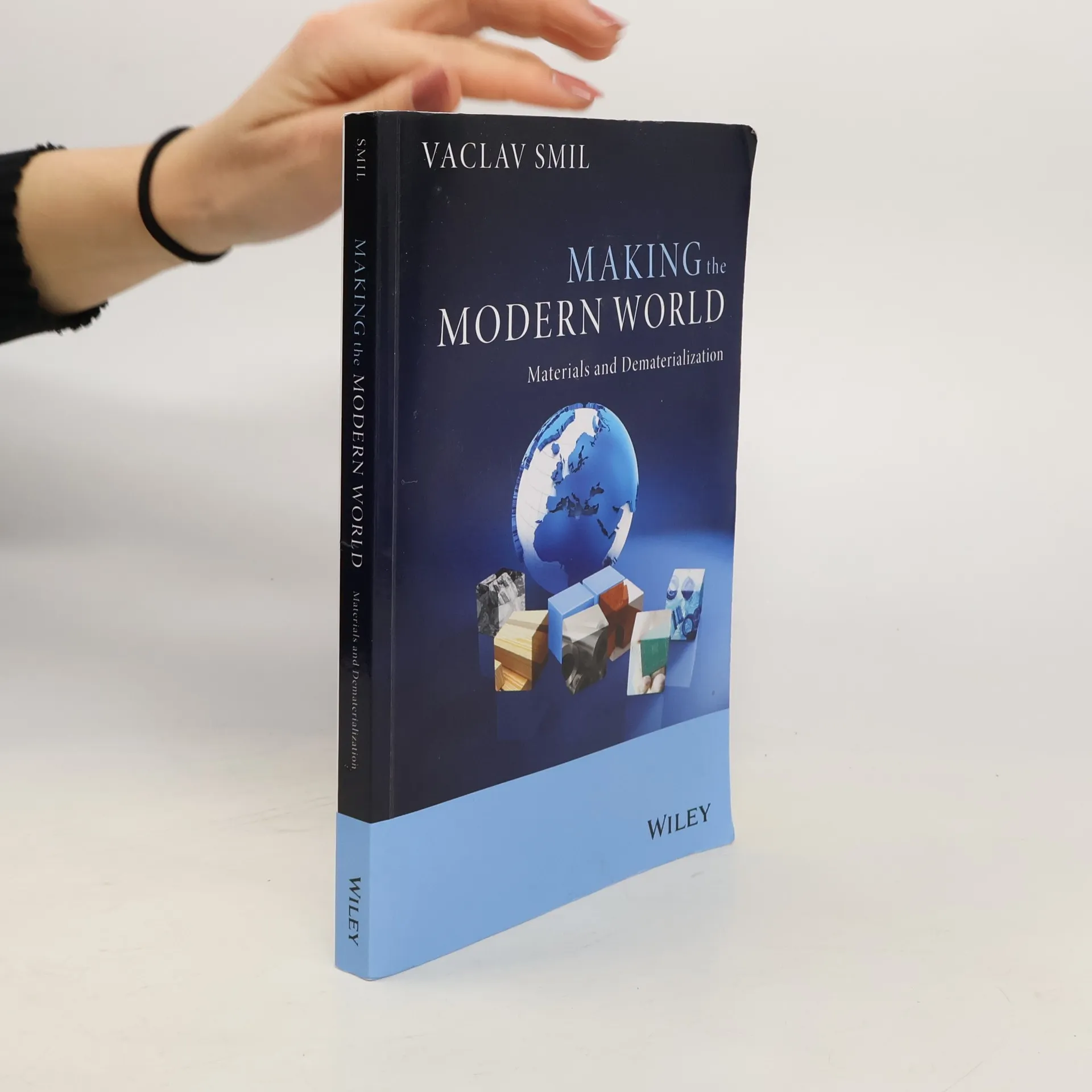
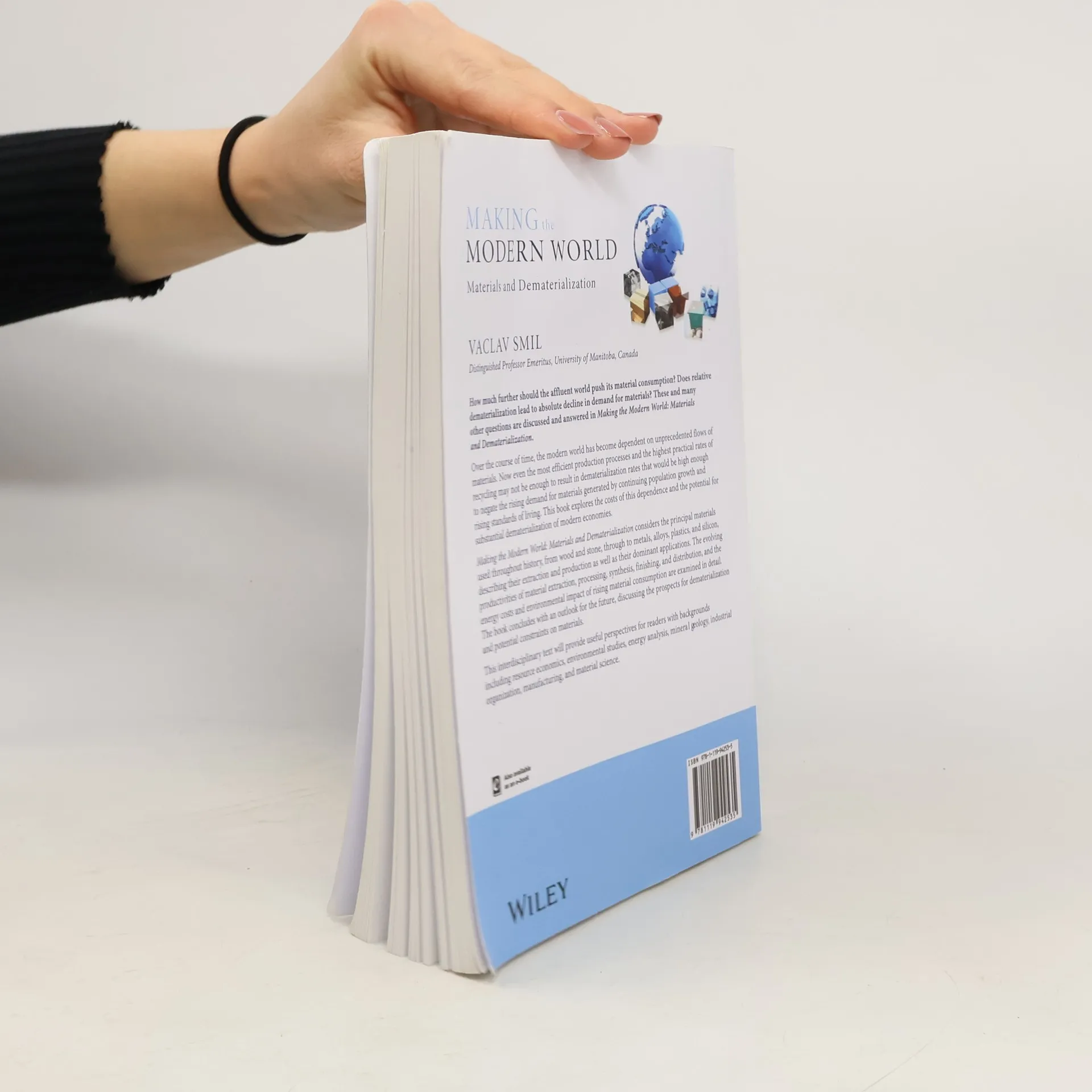
How much further should the affluent world push its material consumption? This question, among others, is explored in a comprehensive examination of modern material dependence. The modern world relies on unprecedented flows of materials, and even the most efficient production and recycling processes may not suffice to counteract the rising demand driven by population growth and increasing living standards. The text delves into the costs associated with this dependence and the potential for significant dematerialization in modern economies. It reviews the principal materials used throughout history—wood, stone, metals, alloys, plastics, and silicon—detailing their extraction, production, and primary applications. Additionally, it analyzes the evolving efficiencies in material extraction, processing, and distribution, alongside the energy costs and environmental impacts of escalating material consumption. The book concludes with a forward-looking perspective on dematerialization prospects and potential constraints on materials. This interdisciplinary work offers valuable insights for readers from various fields, including resource economics, environmental studies, energy analysis, mineral geology, industrial organization, manufacturing, and material science.



Nákup knihy
Making The Modern World, Václav Smil
- Jazyk

- Rok vydání
- 2014
- product-detail.submit-box.info.binding
- (měkká),
- Stav knihy
- Dobrá
- Cena
- 129 Kč
Doručení
Platební metody
Tady nám chybí tvá recenze.
- Jazyk
- anglicky
- Autoři
- Václav Smil
- Vydavatel
- John Wiley & Sons Inc.
- Rok vydání
- 2014
- Vazba
- měkká
- Počet stran
- 242
- ISBN10
- 1119942535
- ISBN13
- 9781119942535
- Série
- První vydání
- 2013
- Původní název
- Making the Modern World: Materials and Dematerialization
- Hodnocení
- 3,7 z 5
- Anotace
- How much further should the affluent world push its material consumption? This question, among others, is explored in a comprehensive examination of modern material dependence. The modern world relies on unprecedented flows of materials, and even the most efficient production and recycling processes may not suffice to counteract the rising demand driven by population growth and increasing living standards. The text delves into the costs associated with this dependence and the potential for significant dematerialization in modern economies. It reviews the principal materials used throughout history—wood, stone, metals, alloys, plastics, and silicon—detailing their extraction, production, and primary applications. Additionally, it analyzes the evolving efficiencies in material extraction, processing, and distribution, alongside the energy costs and environmental impacts of escalating material consumption. The book concludes with a forward-looking perspective on dematerialization prospects and potential constraints on materials. This interdisciplinary work offers valuable insights for readers from various fields, including resource economics, environmental studies, energy analysis, mineral geology, industrial organization, manufacturing, and material science.