

Miláček čtenářů je právě vyprodaný
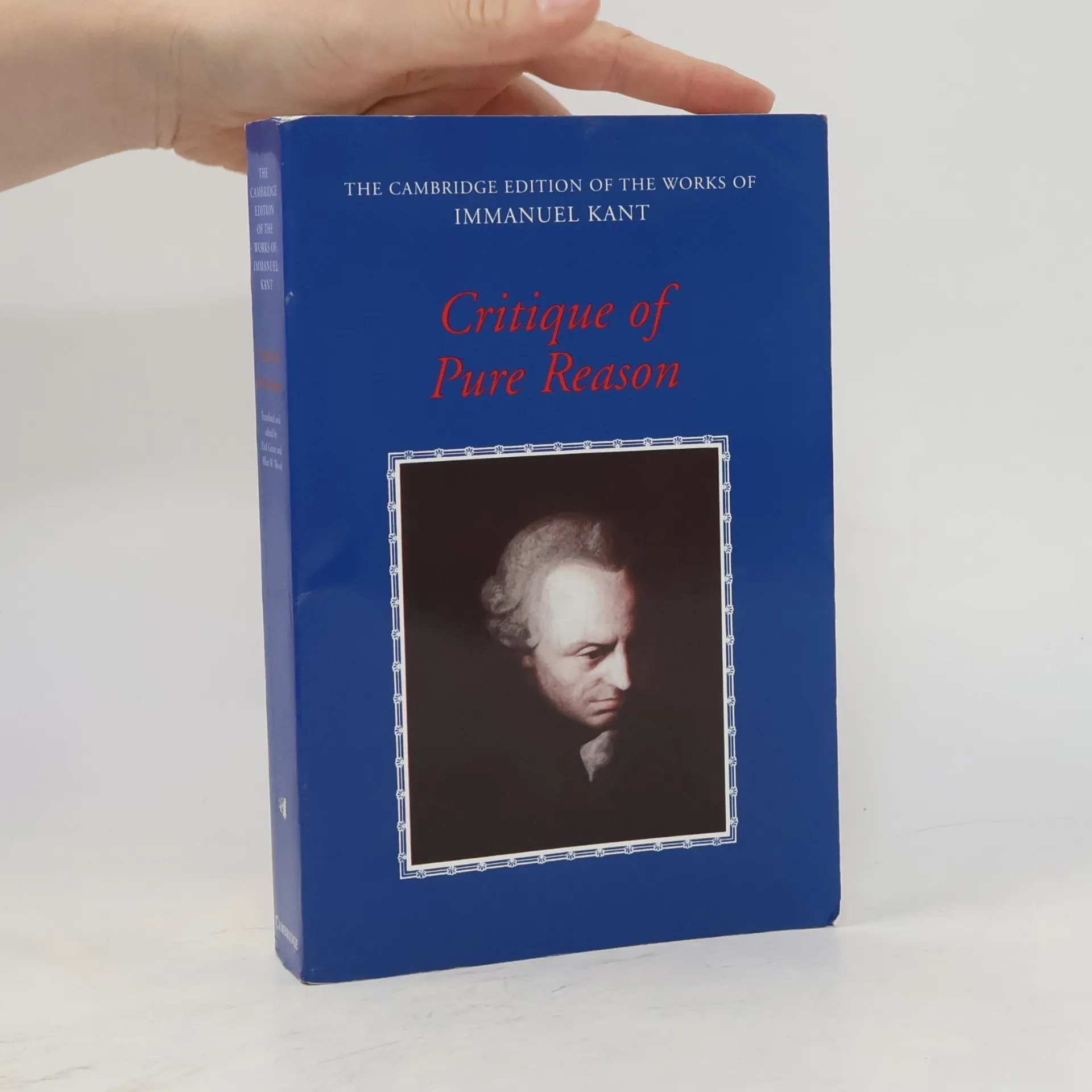
Více o knize
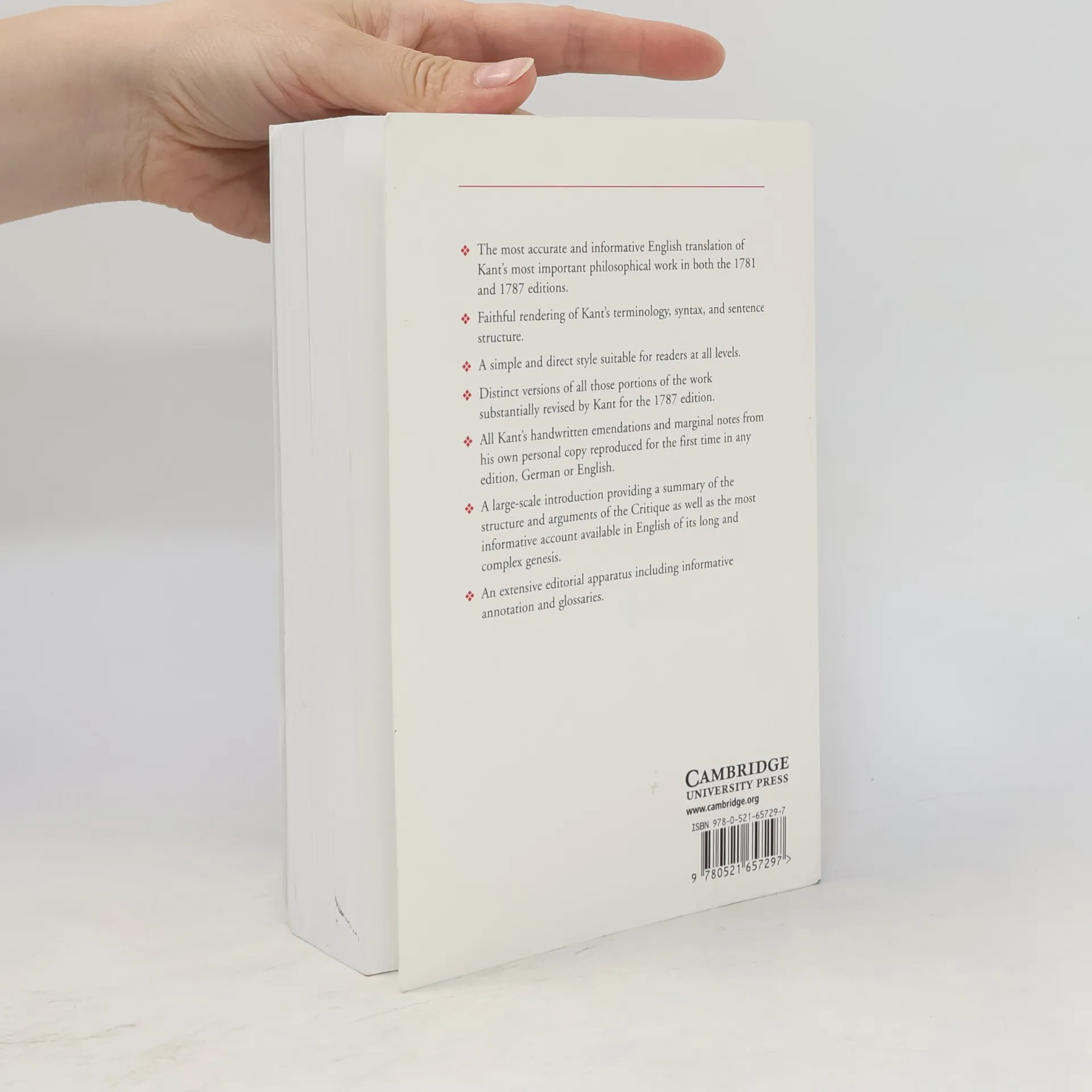
This translation offers unparalleled accuracy and insight into a significant philosophical work, making it an essential resource for readers seeking a deeper understanding of its themes and concepts. The meticulous attention to detail ensures that the nuances of the original text are preserved, enhancing the reader's experience and comprehension. Ideal for both scholars and enthusiasts, this edition stands out as a definitive guide to the philosophical ideas presented within.




Nákup knihy
The Cambridge Edition of the Works of Immanuel Kant: Critique of Pure Reason, Immanuel Kant, Paul Guyer, Allen W. Wood
- Jazyk

- Rok vydání
- 2007
- Vazba
- (měkká)
Jakmile se objeví, pošleme e-mail.
Tady nám chybí tvá recenze.
- Titul
- The Cambridge Edition of the Works of Immanuel Kant: Critique of Pure Reason
- Jazyk
- anglicky
- Autoři
- Immanuel Kant, Paul Guyer, Allen W. Wood
- Vydavatel
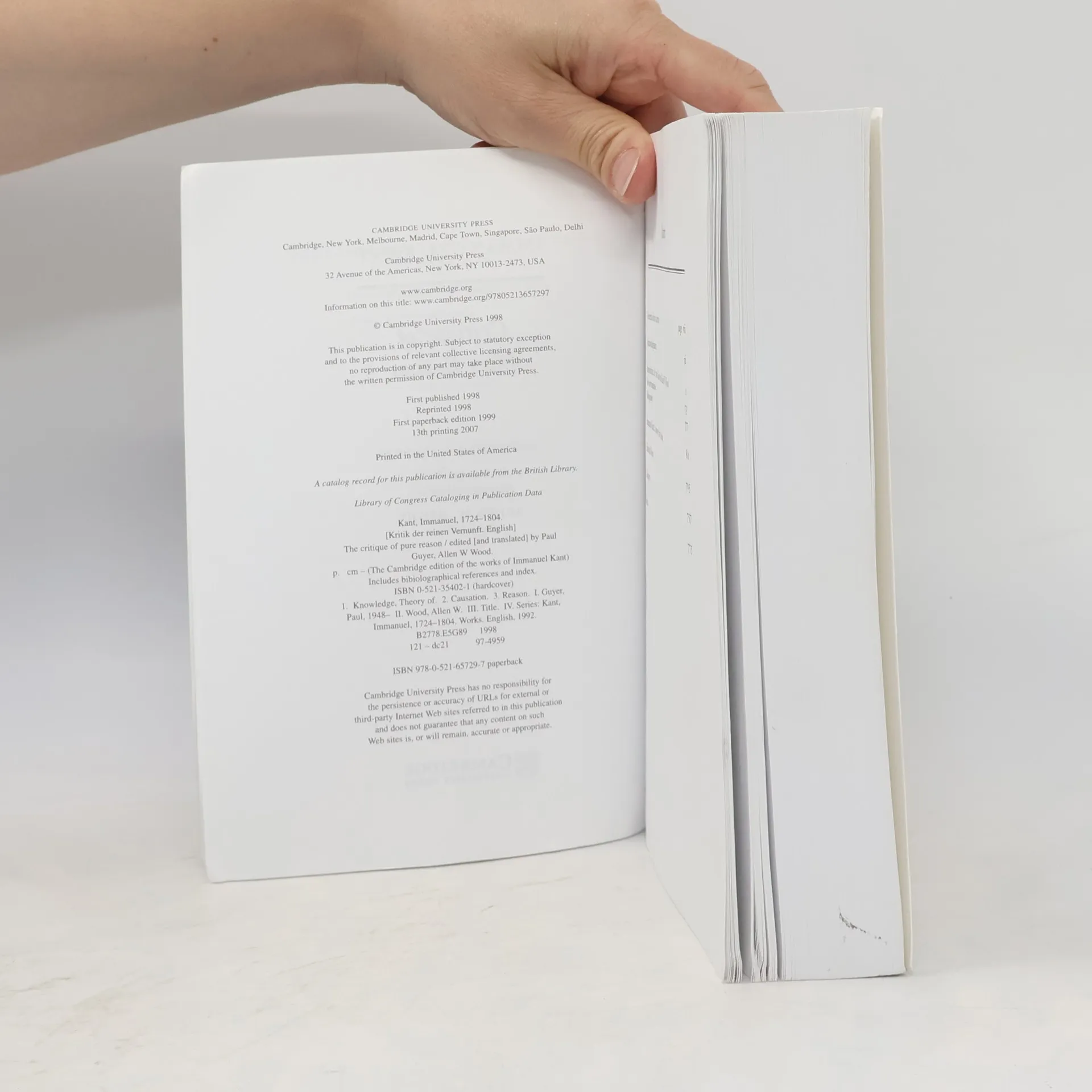
- Cambridge University Press
- Rok vydání
- 2007
- Vazba
- měkká
- Počet stran
- 785
- ISBN10
- 0521657296
- ISBN13
- 9780521657297
- Série
- Štítky
- Psychologická tématika, Filosofická tématika, Německá literatura, Politika, Dárky pro dědu, Společnost, Studium, Vědecké teorie, 18. století, Kritika, Vědomosti a poznání, Osvícenství, Rozum, Krajky, Gnozeologie, epistemologie
- První vydání
- 1781
- Původní název
- Kritik der reinen Vernunft
- Hodnocení
- 4,1 z 5
- Anotace
- This translation offers unparalleled accuracy and insight into a significant philosophical work, making it an essential resource for readers seeking a deeper understanding of its themes and concepts. The meticulous attention to detail ensures that the nuances of the original text are preserved, enhancing the reader's experience and comprehension. Ideal for both scholars and enthusiasts, this edition stands out as a definitive guide to the philosophical ideas presented within.