

Více o knize
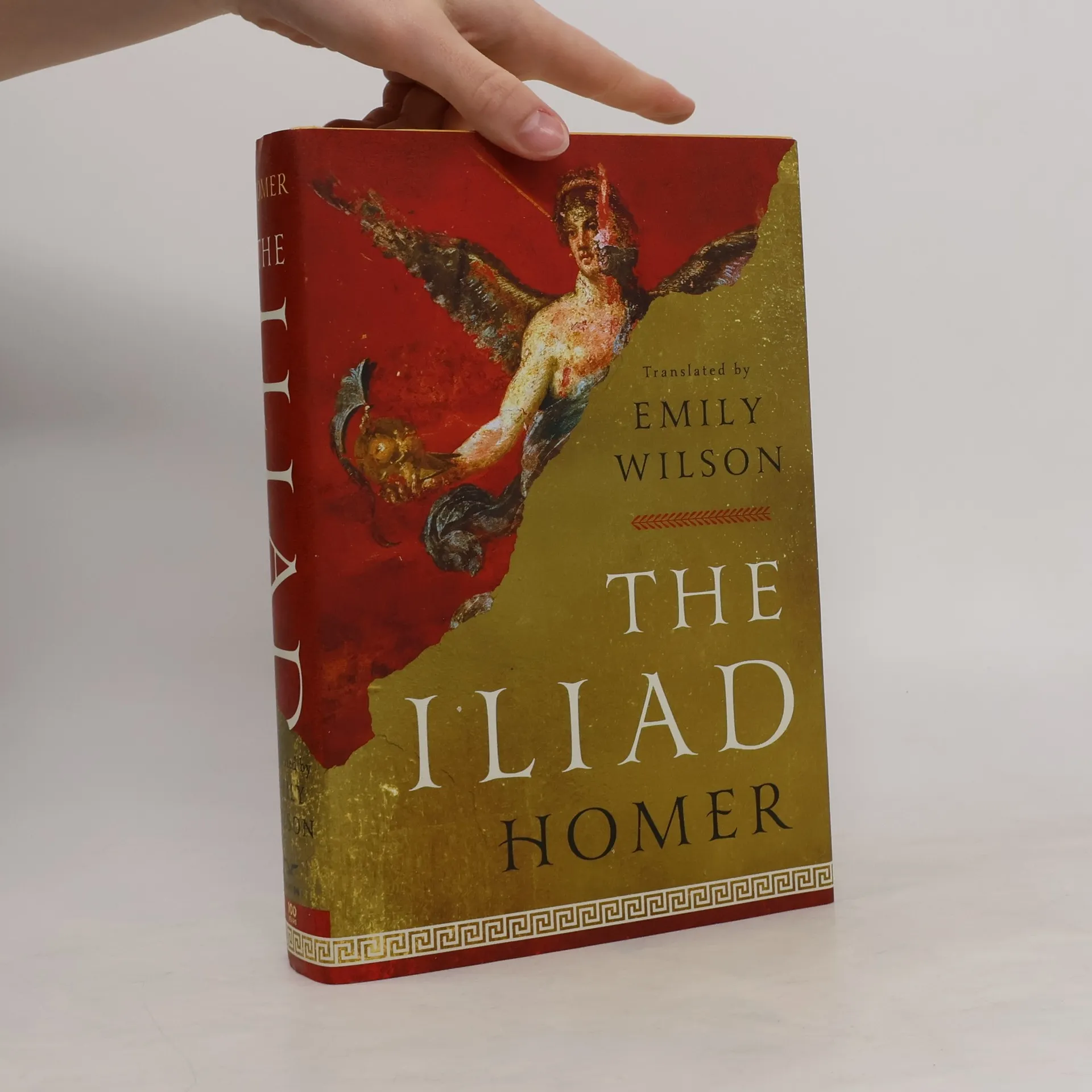
The greatest literary landmark of classical antiquity masterfully rendered by the most celebrated translator of our time. When Emily Wilson's translation of The Odyssey appeared in 2017--revealing the ancient poem in a contemporary idiom that was "fresh, unpretentious, and lean" (Madeline Miller, Washington Post)--critics lauded it as "a revelation" (Susan Chira, New York Times) and "a cultural landmark" (Charlotte Higgins, Guardian) that would forever change how Homer is read in English. Now Wilson has returned with an equally revelatory translation of the first great Homeric epic: the Iliad. In Wilson's hands, this exciting and often horrifying work now gallops at a pace befitting its best battle scenes, roaring with the clamor of arms, the bellowing boasts of victors, and the anguished cries of dying men. Wilson's unadorned but resonant language plumbs the poem's profound pathos and reveals its characters as palpably real, even "complicated," human beings. Capping a decade of intense engagement with Homer's poetry, Wilson's Iliad now gives us a complete Homer for our generation.







Nákup knihy
The Iliad, Homér
- Jazyk

- Rok vydání
- 2023
- product-detail.submit-box.info.binding
- (pevná)
Doručení
Platební metody
Tady nám chybí tvá recenze.
- Titul
- The Iliad
- Jazyk
- anglicky
- Autoři
- Homér
- Vydavatel
- W. W. Norton
- Rok vydání
- 2023
- Vazba
- pevná
- Počet stran
- 848
- ISBN10
- 1324001801
- ISBN13
- 9781324001805
- Série
- Ílias: Komentář
- Štítky
- Beletrie, Historické romány, Dobrodružství, Poezie, Klasika, Válečná próza, Války, Mýty & Legendy, Mytologie, Starověk, antika, Řecko, Osud, Ságy, Bohové, Epos, Starověké Řecko, Starověká a antická literatura, Trója, Hrdinské eposy, Trojská válka
- Původní název
- Ιλιάς, -750
- Hodnocení
- 4,1 z 5
- Anotace
- The greatest literary landmark of classical antiquity masterfully rendered by the most celebrated translator of our time. When Emily Wilson's translation of The Odyssey appeared in 2017--revealing the ancient poem in a contemporary idiom that was "fresh, unpretentious, and lean" (Madeline Miller, Washington Post)--critics lauded it as "a revelation" (Susan Chira, New York Times) and "a cultural landmark" (Charlotte Higgins, Guardian) that would forever change how Homer is read in English. Now Wilson has returned with an equally revelatory translation of the first great Homeric epic: the Iliad. In Wilson's hands, this exciting and often horrifying work now gallops at a pace befitting its best battle scenes, roaring with the clamor of arms, the bellowing boasts of victors, and the anguished cries of dying men. Wilson's unadorned but resonant language plumbs the poem's profound pathos and reveals its characters as palpably real, even "complicated," human beings. Capping a decade of intense engagement with Homer's poetry, Wilson's Iliad now gives us a complete Homer for our generation.