

Více o knize
At the time of its release in 1860, Charles Baudelaire's Artificial Paradises (Les Paradis Artificiels) met with immediate praise. One of the most important French symbolists, Baudelaire led a debauched, violent, and ultimately tragic life, dying an opium addict in 1867. This book, a response to Thomas De Quincey's Confessions of an Opium Eater, serves as a memoir of Baudelaire's last years. In this beautifully wrought portrait of the effects of wine, opium, and hashish on the mind, Baudelaire captures the dreamlike visions he experienced during his narcotic trances. These hallucinations, sometimes exquisite, sometimes disturbing, and the delusions of grandeur that often accompanied them, constitute the Paradis Artificiels, the gorgeous yet false worlds of ecstasy that eventually led to his ruin. Contrasting the effects of hashish and opium with those of wine, Baudelaire concludes that "wine exalts the will, hashish destroys it" and makes idlers of all those who use it.


Nákup knihy
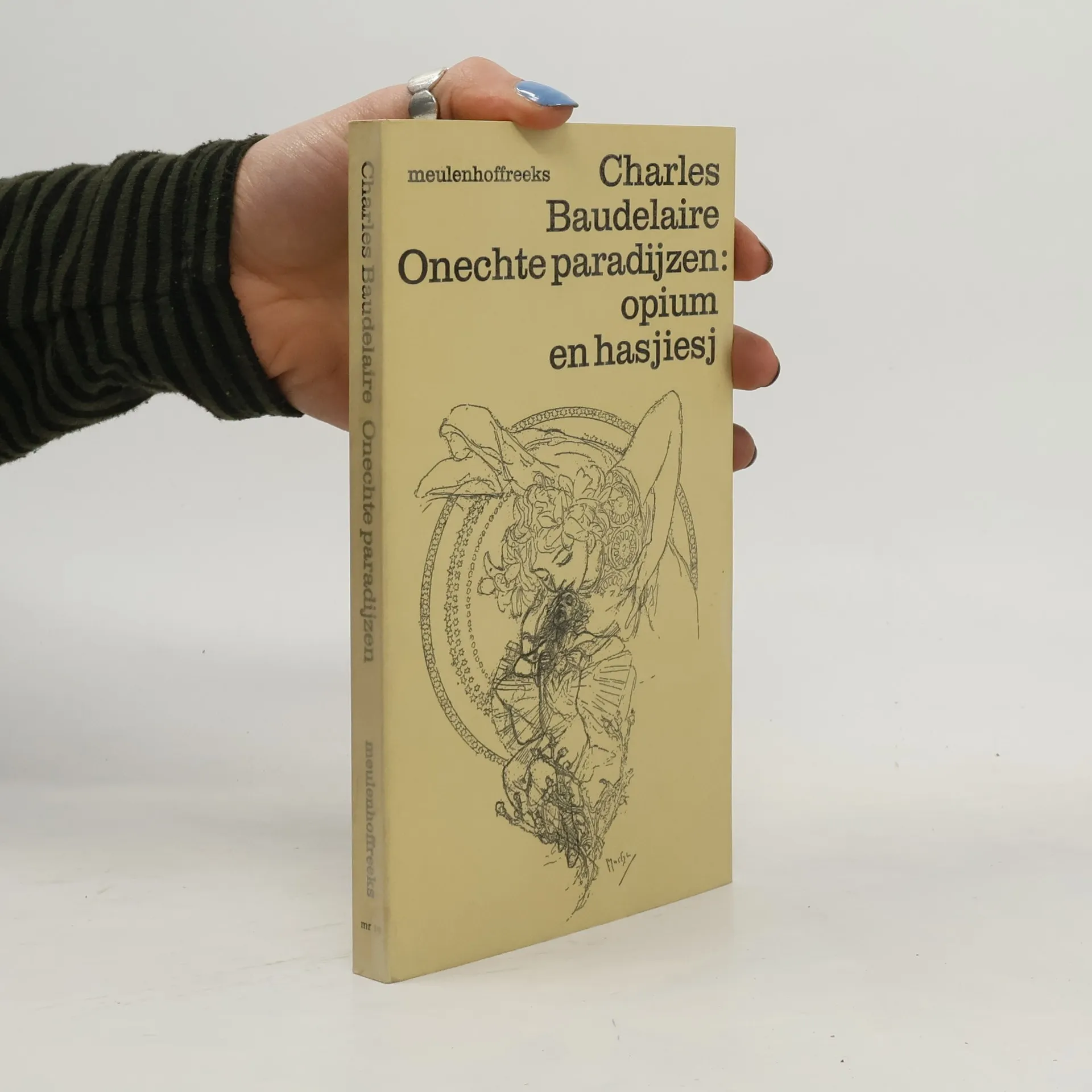
Onechte paradijzen, Charles Baudelaire, Rein Bloem, M. C. Escher
- Jazyk

- Rok vydání
- 1971
- Vazba
- (měkká)
Tady nám chybí tvá recenze.
- Titul
- Onechte paradijzen
- Podtitul
- Opium en hasjiesj
- Jazyk
- nizozemsky
- Autoři
- Charles Baudelaire, Rein Bloem, M. C. Escher
- Vydavatel
- Meulenhoff
- Rok vydání
- 1971
- Vazba
- měkká
- Počet stran
- 157
- ISBN10
- 9029001313
- ISBN13
- 9789029001311
- Série
- První vydání
- 1860
- Původní název
- Les Paradis artificiels
- Hodnocení
- 3,9 z 5
- Anotace
- At the time of its release in 1860, Charles Baudelaire's Artificial Paradises (Les Paradis Artificiels) met with immediate praise. One of the most important French symbolists, Baudelaire led a debauched, violent, and ultimately tragic life, dying an opium addict in 1867. This book, a response to Thomas De Quincey's Confessions of an Opium Eater, serves as a memoir of Baudelaire's last years. In this beautifully wrought portrait of the effects of wine, opium, and hashish on the mind, Baudelaire captures the dreamlike visions he experienced during his narcotic trances. These hallucinations, sometimes exquisite, sometimes disturbing, and the delusions of grandeur that often accompanied them, constitute the Paradis Artificiels, the gorgeous yet false worlds of ecstasy that eventually led to his ruin. Contrasting the effects of hashish and opium with those of wine, Baudelaire concludes that "wine exalts the will, hashish destroys it" and makes idlers of all those who use it.