

Více o knize
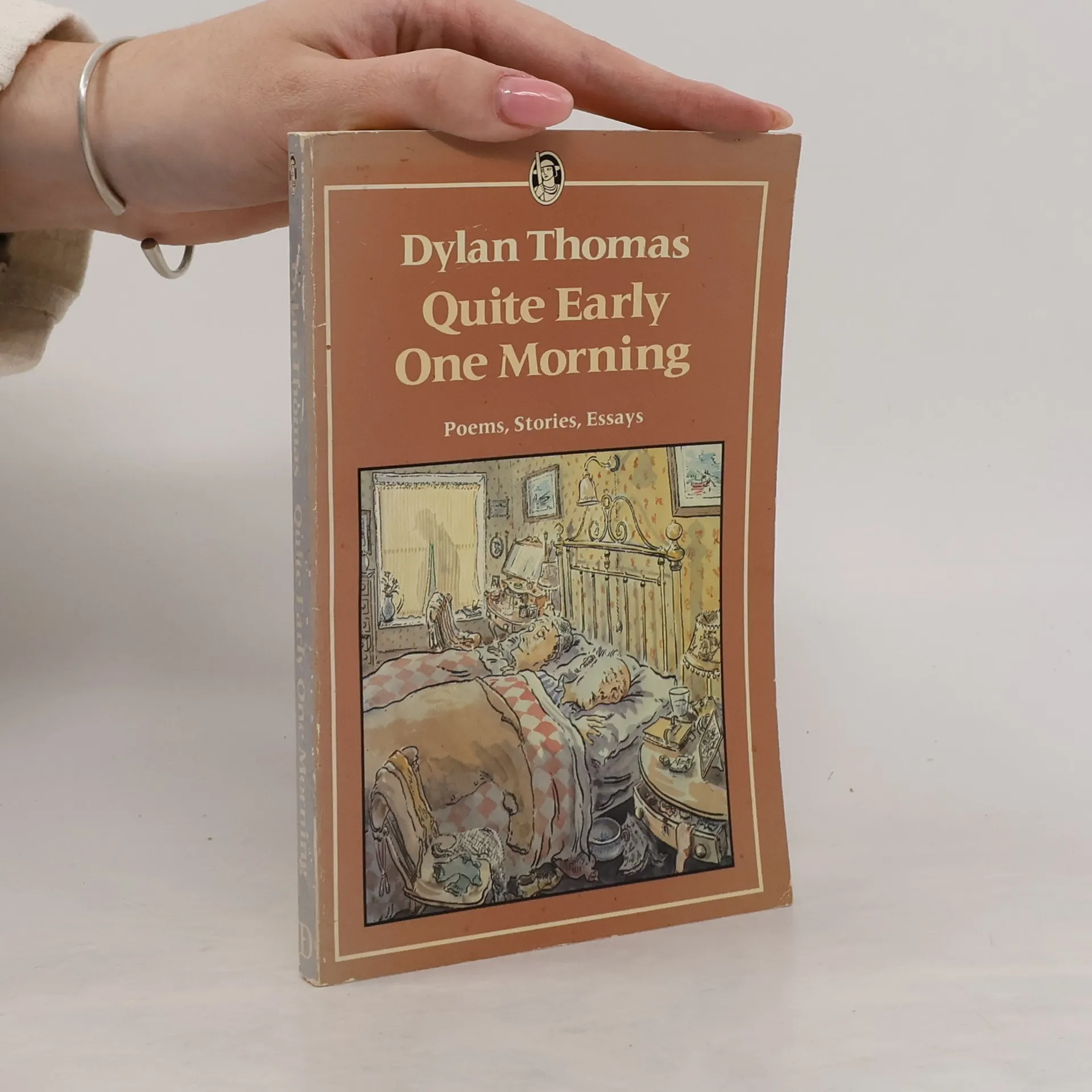
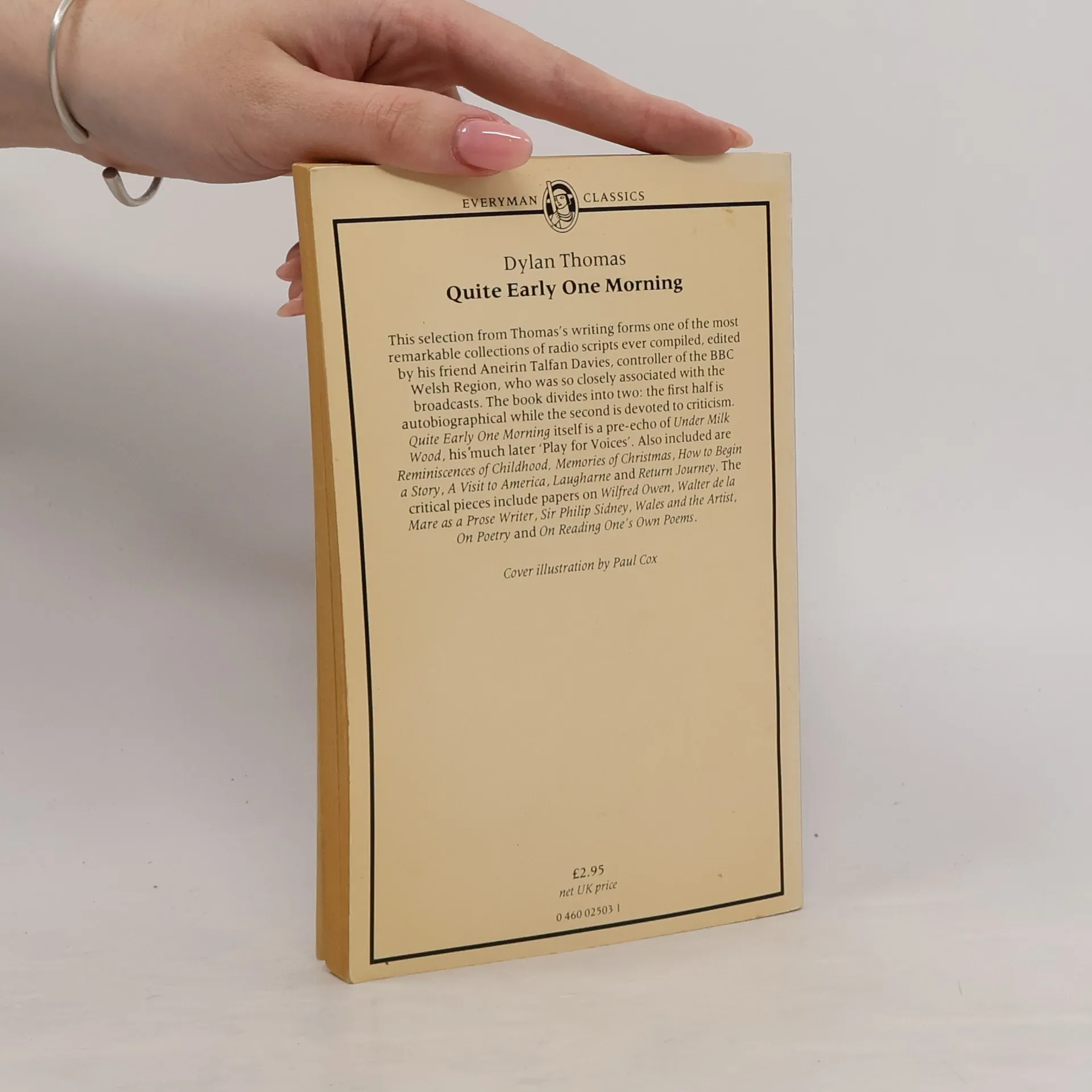
In England and America, Dylan Thomas made his art and personality widely known through public readings, radio broadcasts, and recordings. Many of the 25 short stories, autobiographical sketches, and essays in Quite Early One Morning, a volume planned by Thomas shortly before his death, were read by him on such occasions. They are alive with his verbal magic, his intense perception of life, his gargantuan humor, and the very ring of his voice. Included in this collection of prose pieces are such favorites as the hilarious “A Visit to America,” the account of a small boy’s marvelous day’s outing—“A Story,” and the memorable “A Child’s Christmas in Wales,” which has been called ‘the twentieth century Christmas Carol.’ Other pieces show Thomas’s power as a sensitive critic of poetry and as an exponent of his own intent as a poet.
Nákup knihy
Everyman's Classics S.: Quite Early One Morning, Dylan Thomas
- Jazyk

- Rok vydání
- 1978
- product-detail.submit-box.info.binding
- (měkká),
- Stav knihy
- Poškozená
- Cena
- 39 Kč
Doručení
Platební metody
Nikdo zatím neohodnotil.
- Jazyk
- anglicky
- Autoři
- Dylan Thomas
- Vydavatel
- Littlehampton Book Services Ltd
- Rok vydání
- 1978
- Vazba
- měkká
- Počet stran
- 192
- ISBN10
- 0460025031
- ISBN13
- 9780460025034
- Série
- Štítky
- Beletrie, Skutečné příběhy, Životopisy, Poezie, Humor, Povídky, Autobiografie & Memoáry, Společenské romány, Anglická literatura
- Anotace
- In England and America, Dylan Thomas made his art and personality widely known through public readings, radio broadcasts, and recordings. Many of the 25 short stories, autobiographical sketches, and essays in Quite Early One Morning, a volume planned by Thomas shortly before his death, were read by him on such occasions. They are alive with his verbal magic, his intense perception of life, his gargantuan humor, and the very ring of his voice. Included in this collection of prose pieces are such favorites as the hilarious “A Visit to America,” the account of a small boy’s marvelous day’s outing—“A Story,” and the memorable “A Child’s Christmas in Wales,” which has been called ‘the twentieth century Christmas Carol.’ Other pieces show Thomas’s power as a sensitive critic of poetry and as an exponent of his own intent as a poet.