Knihobot
Miláček čtenářů je právě vyprodaný
Máte ji v knihovně?Získejte od 14 Kč do 24 Kč prodejem této knihy.
Prodat knihy

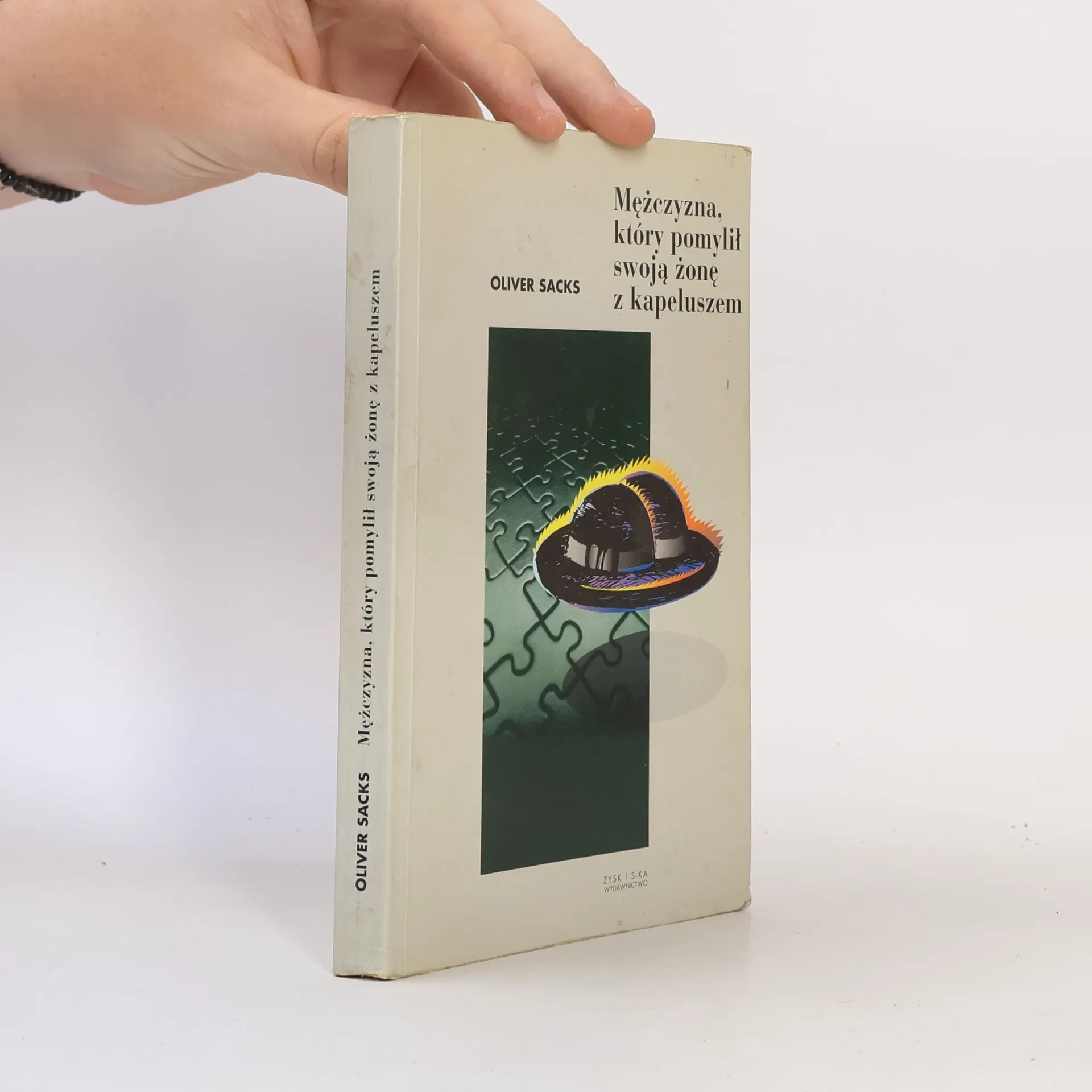
Mężczyzna, który pomylił swoją żonę z kapeluszem

Hodnocení knihy

Parametry

  • 281 stránek
  • 10 hodin čtení

Více o knize

If a man has lost a leg or an eye, he knows he has lost a leg or an eye; but if he has lost a self—himself—he cannot know it, because he is no longer there to know it. Dr. Oliver Sacks recounts the stories of patients struggling to adapt to often bizarre worlds of neurological disorder. Here are people who can no longer recognize everyday objects or those they love; who are stricken with violent tics or shout involuntary obscenities; who have been dismissed as autistic or retarded, yet are gifted with uncanny artistic or mathematical talents. If inconceivably strange, these brilliant tales illuminate what it means to be human.

Nákup knihy

Mężczyzna, który pomylił swoją żonę z kapeluszem, Oliver Sacks, Barbara Lindenberg

Jazyk
Rok vydání
1994
Vazba
(měkká)
Jakmile se objeví, pošleme e-mail.

Doručení

Platební metody

    3,8
    Velmi dobrá
    99+ Hodnocení
    Před 9 měsíci

    Absolútne nechápem, ako môže mať táto kniha 3,8 hviezdičiek. Haló? Úplná pecka narvaná skutočnými príbehmi, ktoré znejú šialenejšie ako sci-fi romány. Sonda do neurologickej praxe z prvej ruky. Človek sa od toho nevie odlepiť.

    Titul
    Mężczyzna, który pomylił swoją żonę z kapeluszem
    Jazyk
    polsky
    Vydavatel
    Zysk i S-ka
    Rok vydání
    1994
    Vazba
    měkká
    Počet stran
    281
    ISBN10
    8371502346
    ISBN13
    9788371502347
    Série
    První vydání
    1985
    Původní název
    The Man Who Mistook His Wife for a Hat
    Hodnocení
    3,8 z 5
    Anotace
    If a man has lost a leg or an eye, he knows he has lost a leg or an eye; but if he has lost a self—himself—he cannot know it, because he is no longer there to know it. Dr. Oliver Sacks recounts the stories of patients struggling to adapt to often bizarre worlds of neurological disorder. Here are people who can no longer recognize everyday objects or those they love; who are stricken with violent tics or shout involuntary obscenities; who have been dismissed as autistic or retarded, yet are gifted with uncanny artistic or mathematical talents. If inconceivably strange, these brilliant tales illuminate what it means to be human.