

Více o knize
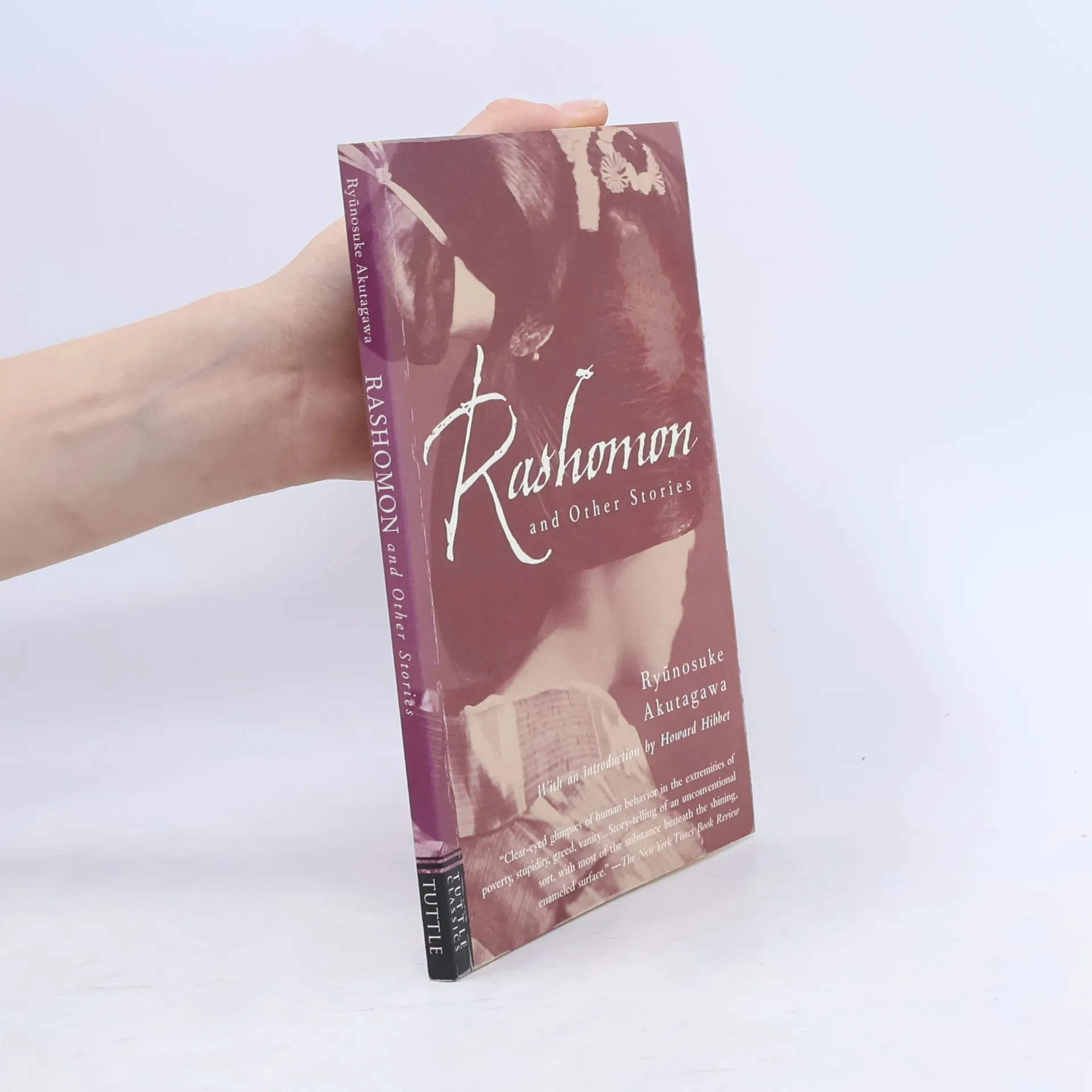
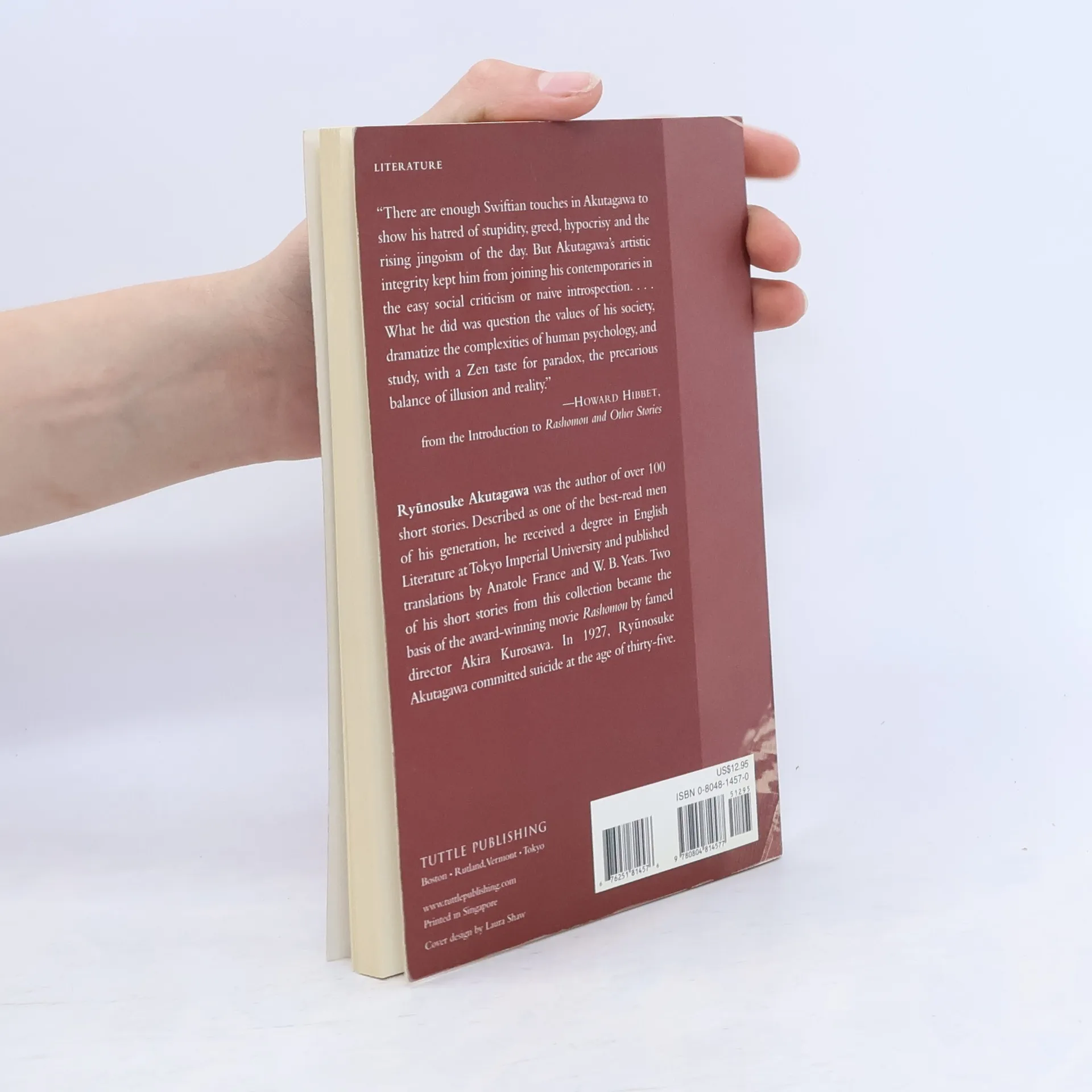
Before his tragic death in 1927, Ryunosuke Akutagawa, author of "Rashomon", one of the most renowned stories of Japanese literature, wrote more than 100 short stories. Since his death, he has been described as one of the best-read men of his generation.Included in this timeless collection are Akutagawa's "In a Grove", a psychologically sophisticated tale about murder, rape, and suicide; "The Martyr", the story of silent suffering in Christian Nagasaki; and "Kesa and Morito", the story of man driven to kill someone he doesn't hate by a lover whom he doesn't love; and "Rashomon", the infamous story of a thief scared into honesty by a terrifying encounter with a ghoul. "What [Akutagawa] did was question the values of his society, dramatize the complexities of human psychology, and study, with a Zen taste for paradox, the balance of illusion and reality".
Nákup knihy
Tuttle Classics: Rashomon and Other Stories, Rjúnosuke Akutagawa, Howard Hibbett, Takashi Kojima
- Jazyk

- Rok vydání
- 1952
- product-detail.submit-box.info.binding
- (měkká),
- Stav knihy
- Dobrá
- Cena
- 179 Kč
Doručení
Platební metody
Nikdo zatím neohodnotil.
- Titul
- Tuttle Classics: Rashomon and Other Stories
- Jazyk
- anglicky
- Vydavatel
- Tuttle Publishing
- Rok vydání
- 1952
- Vazba
- měkká
- Počet stran
- 102
- ISBN10
- 0804814570
- ISBN13
- 9780804814577
- Série
- Štítky
- Beletrie, Historické romány, Klasika, Povídky, 20. století, Japonsko, Asie, Japonská literatura, Asijská literatura, Japonština
- Anotace
- Before his tragic death in 1927, Ryunosuke Akutagawa, author of "Rashomon", one of the most renowned stories of Japanese literature, wrote more than 100 short stories. Since his death, he has been described as one of the best-read men of his generation.Included in this timeless collection are Akutagawa's "In a Grove", a psychologically sophisticated tale about murder, rape, and suicide; "The Martyr", the story of silent suffering in Christian Nagasaki; and "Kesa and Morito", the story of man driven to kill someone he doesn't hate by a lover whom he doesn't love; and "Rashomon", the infamous story of a thief scared into honesty by a terrifying encounter with a ghoul. "What [Akutagawa] did was question the values of his society, dramatize the complexities of human psychology, and study, with a Zen taste for paradox, the balance of illusion and reality".