

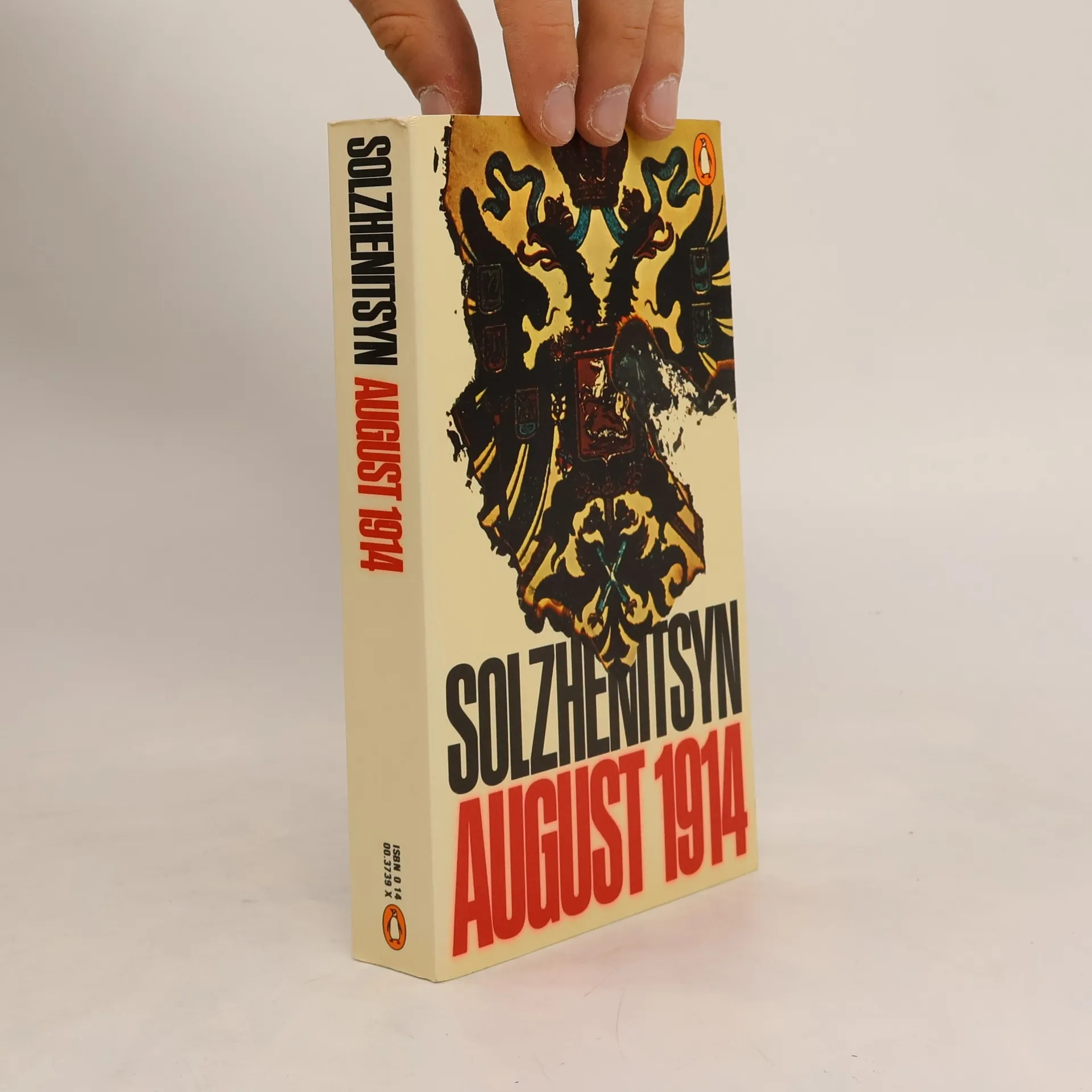
A historical novel about the defeat of the Imperial Russian Army at the Battle of Tannenberg in East Prussia.
Rudý vůz Série
Tato monumentální sága se noří do klíčových momentů ruských dějin, především do období před a během revoluce. Sleduje osudové události, jako je atentát na premiéra Stolypina, a vykresluje složité vztahy mezi postavami v turbulentní době. Dílo nabízí dramatické a hluboké zamyšlení nad ruskou historií a jejími dopady na osudy jednotlivců i celého národa. Je to epické vyprávění o politických intrikách, osobních dramatech a společenských proměnách.

Doporučené pořadí čtení
November 1916
- 1040 stránek
- 37 hodin čtení
In time for the centenary of the beginning of the Russian Revolution, a new edition of the Russian Nobelist's major work The month of November 1916 in Russia was outwardly quiet—the proverbial calm before the storm—but beneath the placid surface, society seethed fiercely. In Petrograd, as St. Petersburg was then known, luxury-store windows are still brightly lit; the Duma debates the monarchy, the course of war, and clashing paths to reform; the workers in the miserable munitions factories veer toward sedition. At the front, all is stalemate, while in the countryside sullen anxiety among hard-pressed farmers is rapidly replacing patriotism. In Zurich, Lenin, with the smallest of all revolutionary groups, plots his sinister logistical miracle. With masterly and moving empathy, through the eyes of both historical and fictional protagonists, Solzhenitsyn unforgettably transports us to that time and place—the last of pre-Soviet Russia. November 1916 is the second volume in Aleksandr Solzhenitsyn's multipart work, The Red Wheel. This volume concentrates on a historical turning point, or "knot," as the wheel rolls inexorably toward revolution.